

How Exchange Rate Movements Affect Prices, Imports, and Daily Life in Tanzania
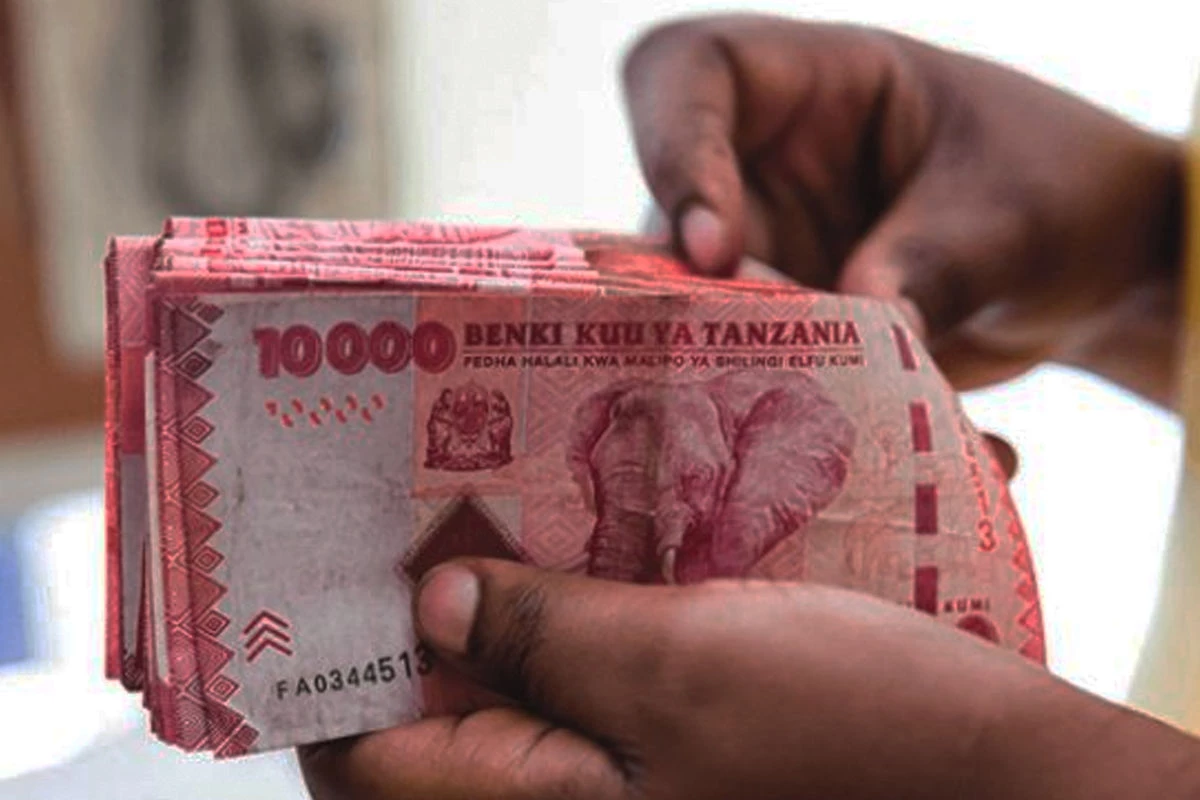
As global markets fluctuate, Tanzania’s import-dependent economy immediately feels the consequences, impacting households, businesses, and public service delivery. Understanding these dynamics is crucial for policymakers, investors, and ordinary citizens navigating rising prices and economic uncertainty.
The Shilling’s Value Shapes Every Tanzanian’s Life
For Tanzanians, the exchange rate is far more than an economic statistic, it directly affects daily life. The value of the Tanzanian shilling against the US dollar and other major currencies influences fuel costs, supermarket prices, construction materials, school fees, and government budgets.
As global markets fluctuate, Tanzania’s import-dependent economy immediately feels the consequences, impacting households, businesses, and public service delivery. Understanding these dynamics is crucial for policymakers, investors, and ordinary citizens navigating rising prices and economic uncertainty.
1. Tanzania Is Highly Import-Dependent
Tanzania relies heavily on imports for essential goods and industrial inputs. Key imports include:
- Fuel: Diesel, petrol, and cooking gas
- Machinery and spare parts: For manufacturing, agriculture, and transport
- Pharmaceuticals and medical supplies
- Industrial chemicals and raw materials
- Fertilizers and agro-inputs
- Wheat, edible oils, and other staple foods
Impact of Shilling Depreciation
A weaker shilling raises the cost of imports, fueling domestic inflation. This affects the affordability of basic goods and drives up production costs for industries dependent on imported inputs.
2. The Exchange Rate and Cost of Living
Exchange rate fluctuations are felt most acutely by households. When the shilling loses value, Tanzanians experience higher costs in:
- Transport fares: Fuel price increases ripple through bus, taxi, and boda boda fares
- Food prices: Wheat, edible oils, and other imported staples become more expensive
- Construction materials: Cement, steel, and other imported inputs rise, affecting housing costs
- Fuel and energy bills: Higher import costs for petroleum products
- School fees and electronics: Items often priced in foreign currency increase
Who Is Most Affected?
- Urban low- and middle-income households feel imported inflation the most
- Rural communities relying on purchased agricultural inputs face higher costs
- Small businesses absorb costs or pass them to consumers
3. Impact on Businesses
Businesses, particularly manufacturers and import-dependent firms, are vulnerable to currency swings.
Cost Pressures Include
- Higher prices for spare parts and machinery
- Expensive raw materials and chemicals
- Rising production costs, reducing competitiveness
- Necessity to increase product prices to maintain margins
Economic Consequence: Firms may reduce production, lay off staff, or relocate operations to countries with more stable currencies.
4. Exporters Benefit but only if they Meet Standards
A weaker shilling can make Tanzanian exports cheaper and more attractive in foreign markets, boosting revenue for:
- Coffee and tea
- Cotton and textiles
- Minerals (gold, gemstones, industrial minerals)
- Cashew nuts and horticultural products
Caveat
Exporters must meet global quality standards and adhere to certification requirements. Otherwise, the competitive advantage of a weaker shilling may be lost.
Example: Coffee producers exporting premium Arabica beans to Europe can benefit from shilling depreciation only if quality and logistics meet buyer expectations.
5. Why Exchange Rates Move
Several factors influence the value of the Tanzanian shilling:
- Dollar shortages: Limits availability of foreign currency for imports
- Lower export earnings: Reduced foreign inflows weaken the shilling
- Global interest rates: Higher US rates make foreign investment more expensive
- Oil price fluctuations: Affect fuel imports and the trade balance
- Tourism flows: Foreign currency from tourism supports reserves
- Investor confidence: Political and economic stability attract or repel capital
- Government debt servicing: Foreign-denominated debt increases currency demand
Example: A surge in global oil prices combined with reduced tourist arrivals can weaken the shilling, raising inflationary pressures domestically.
6. How Tanzania Can Stabilize the Shilling
To protect households, businesses, and the economy, Tanzania can pursue several strategies:
- Boost exports: Coffee, horticulture, and minerals generate foreign currency
- Expand domestic production: Reduce reliance on imported goods and raw materials
- Deepen forex reserves: Strengthen the Bank of Tanzania’s ability to intervene in currency markets
- Strengthen fiscal discipline: Manage government spending and borrowing responsibly
- Encourage manufacturing: Produce locally to reduce import dependence
Impact: Stabilizing the shilling not only protects purchasing power but also enhances business competitiveness and investment confidence.
Conclusion: Exchange Rate Stability Is Essential
Exchange rate movements are not abstract they shape the daily lives of every Tanzanian.
Stable currency is critical for:
- Controlling imported inflation
- Protecting household incomes
- Supporting manufacturing competitiveness
- Ensuring predictable business costs
- Maintaining macroeconomic stability and investor confidence
For Tanzania to achieve sustainable growth, sound monetary policy, export promotion, and domestic industrialization must work together to manage currency volatility.
