
CROP FARMING
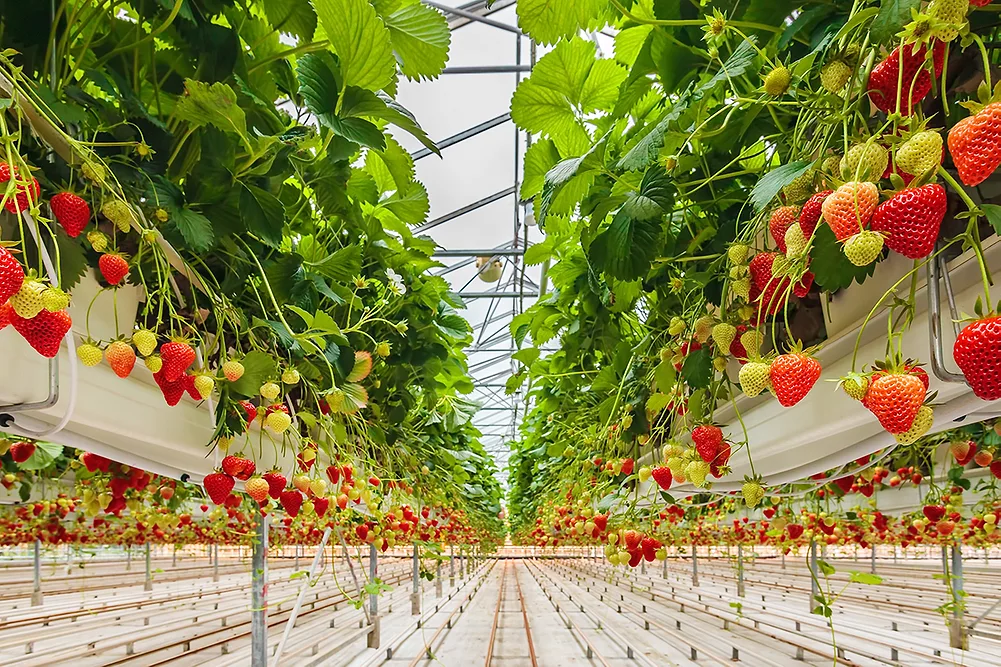
How Tanzania Can Empower Youth in Fruit Farming; Learning From Germany and Netherlands
The country already has juice factories like Azam, Sayona, METL, and Dabaga that run below capacity ...

The country already has juice factories like Azam, Sayona, METL, and Dabaga that run below capacity ...

The country is already ranked among the top three producers in Africa, alongside Kenya and South Afr...

According to the Ministry of Agriculture’s 2024 estimates, Tanzania’s annual demand for edible o...
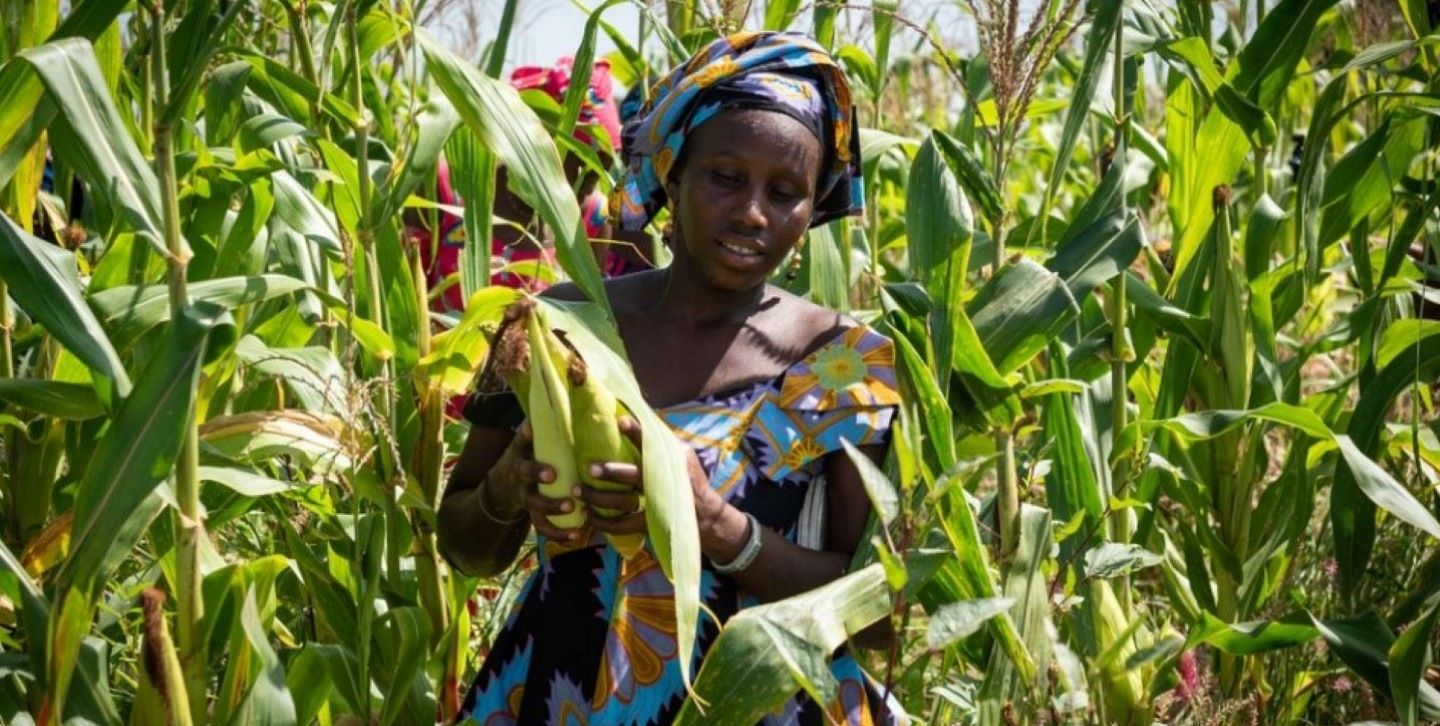
From Technology to Transport, storage to services, the Agricultural value chain is full of untapped ...
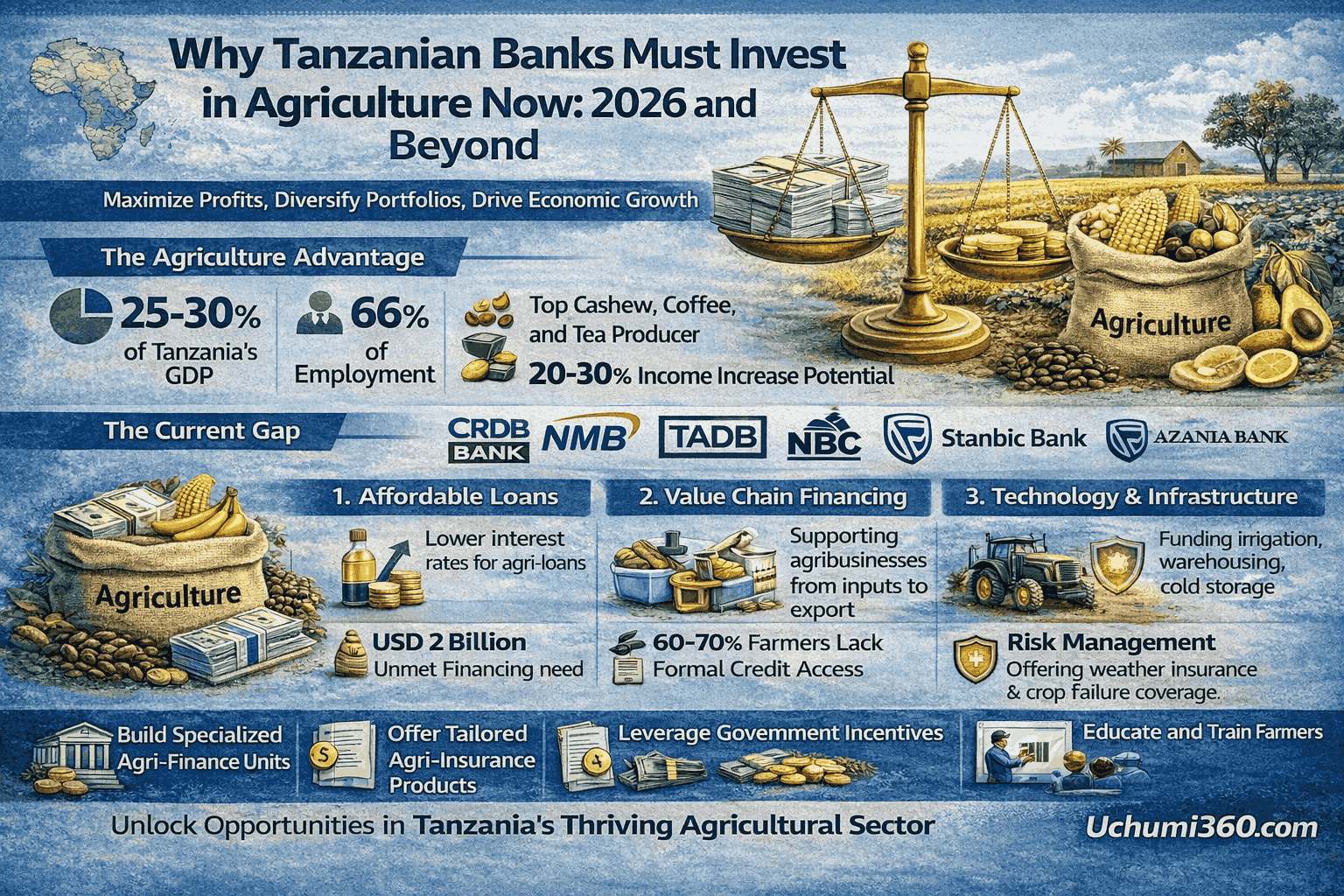
For forward-looking banks, agriculture is no longer a risky sideline it is a strategic growth fronti...
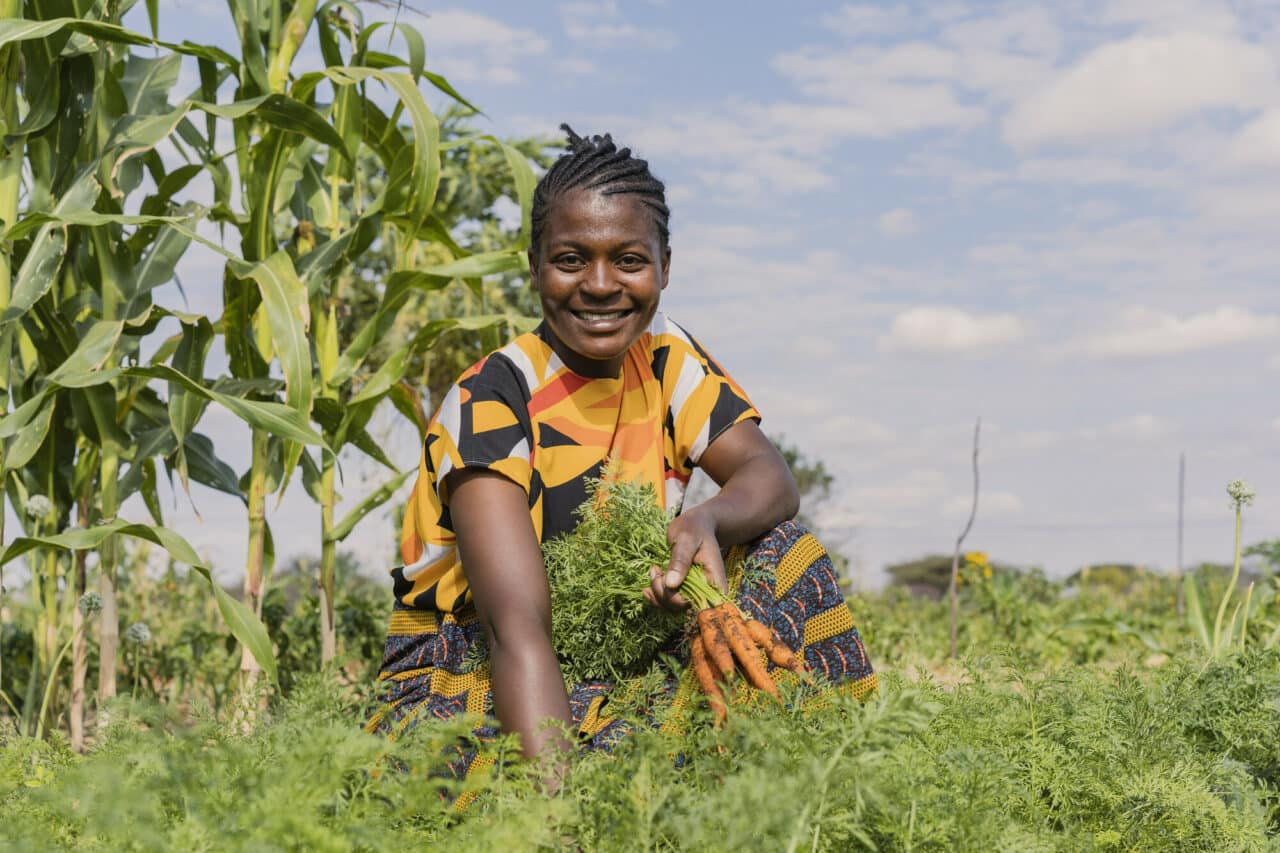
Despite high production volumes, many smallholder farmers remain poor. This paradox is not due to lo...

Despite this, a large share of Tanzanian farmers continue to rely on recycled farm-saved seeds or co...

For many young people, agriculture is still associated with subsistence farming, low incomes, physic...
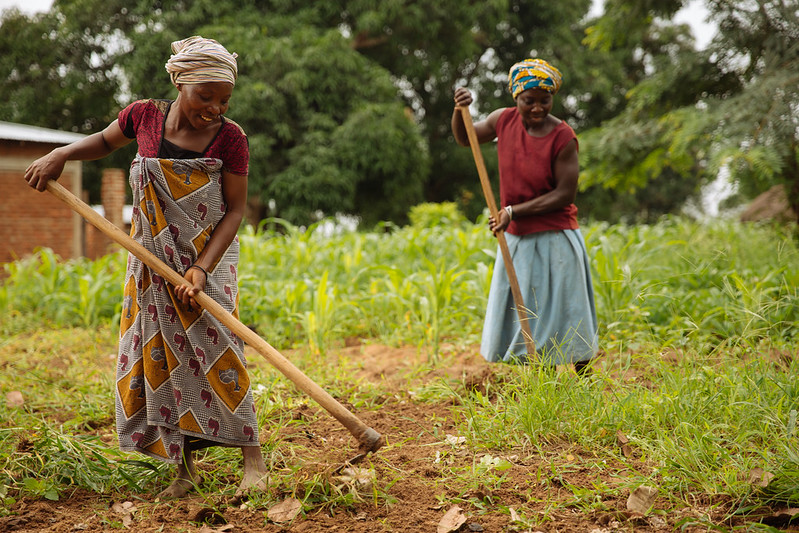
Most rural farmers continue to rely on informal coping mechanisms such as borrowing from relatives, ...
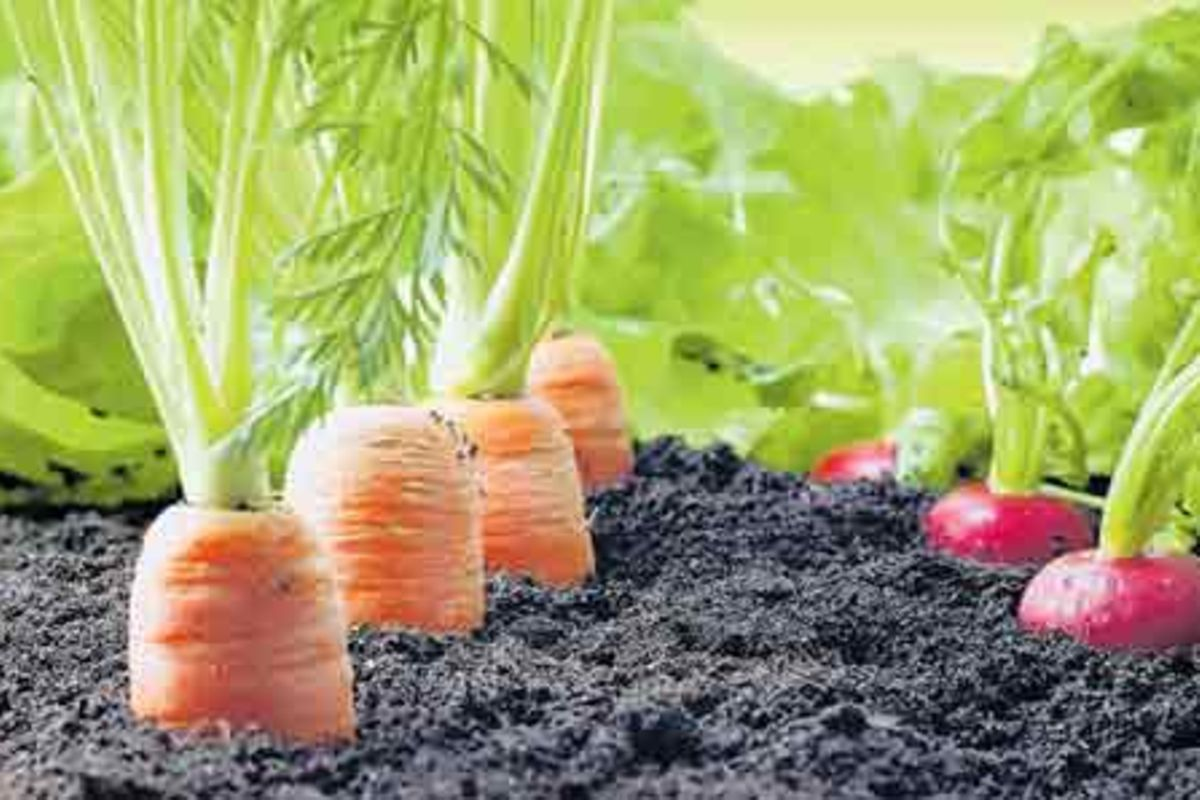
Valued at over USD 135 billion today and projected to exceed USD 200 billion by 2030, organic food d...

Understanding the role of middlemen is essential to improving market fairness, reducing farmer vulne...
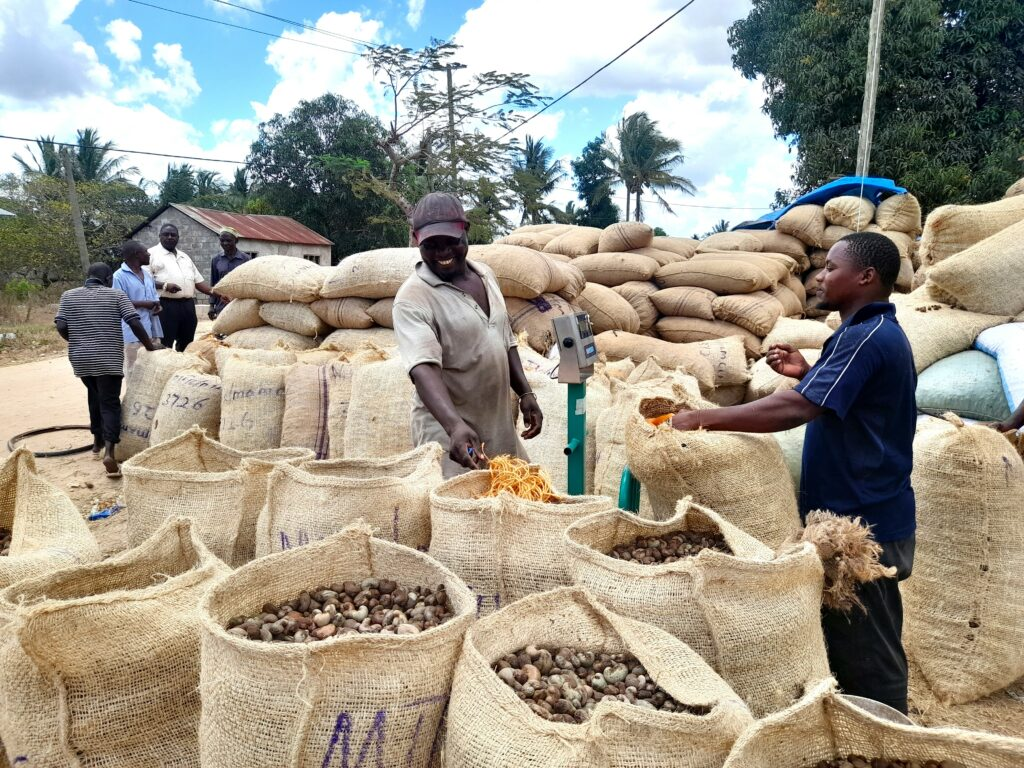
By processing cashews locally, Tanzania could capture higher revenues, create jobs, and stimulate in...