

Cashew Processing: Why Tanzania Still Exports Raw Nuts
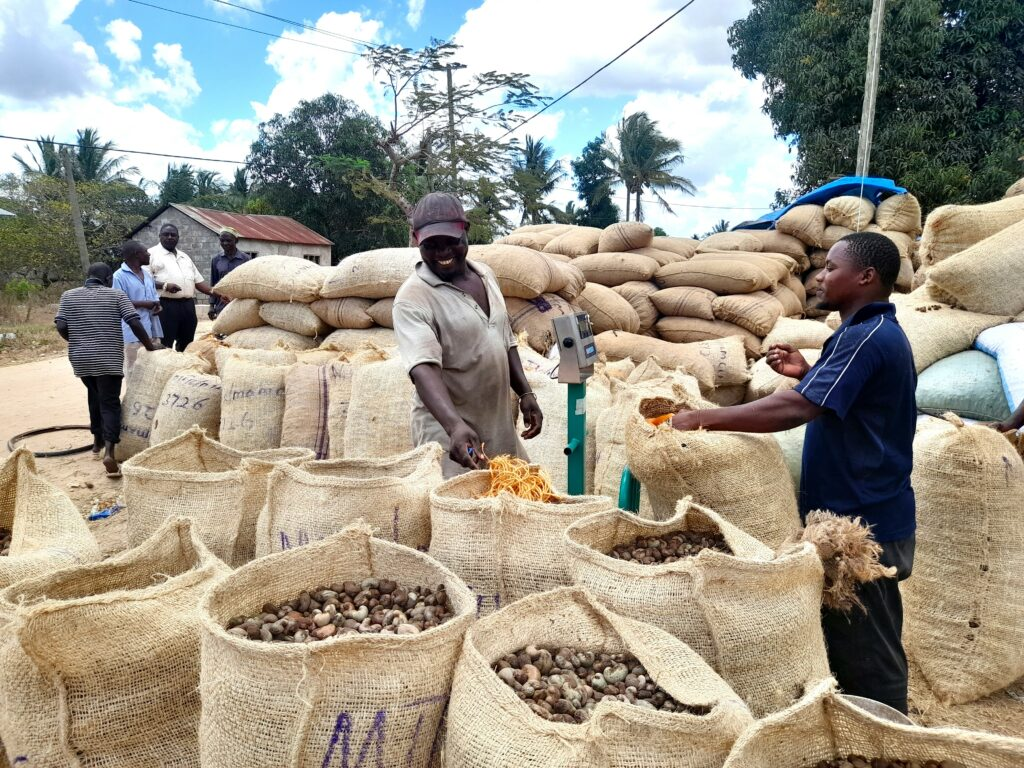
By processing cashews locally, Tanzania could capture higher revenues, create jobs, and stimulate industrial growth. Understanding why domestic processing remains limited is essential for crafting policies that strengthen the cashew value chain.
A Longstanding Challenge
Tanzania is among Africa’s top cashew producers, contributing significantly to rural incomes and export earnings. However, the country continues to export the majority of its cashews in raw form, missing out on billions of shillings in potential value addition. By processing cashews locally, Tanzania could capture higher revenues, create jobs, and stimulate industrial growth. Understanding why domestic processing remains limited is essential for crafting policies that strengthen the cashew value chain.
1. High Cost of Processing Machinery
Effective cashew processing requires specialized machinery such as shelling machines, boilers, drying equipment, and grading technology. Unfortunately, these machines are expensive, and many local processors lack access to affordable financing or tax incentives. Without subsidies, credit support, or equipment leasing programs, domestic factories cannot expand or modernize. High capital costs continue to constrain Tanzania’s capacity to compete with established processors abroad.
2. Unreliable Supply of Raw Cashews to Local Factories
Local cashew processors often struggle to secure enough raw nuts to run factories efficiently. Farmers frequently sell to exporters who pay cash upfront, rather than waiting for payments from domestic processors. Government-run auction systems sometimes create uncertainty in supply, and cash-flow delays in procurement further discourage local processing. As a result, factories operate below capacity, experience production interruptions, or in some cases, shut down entirely.
3. High Energy and Logistics Costs
Processing cashews requires stable electricity, reliable transport, and efficient port access. Challenges such as frequent power outages, high electricity tariffs, and poor rural roads increase production costs. Transporting raw cashews from farms to factories or ports can be slow and expensive, while export logistics for processed nuts remain cumbersome. These combined costs reduce competitiveness, making raw exports a more viable short-term option for many farmers and processors.
4. Limited Skilled Labor in Processing Technology
Cashew processing is a technical activity requiring expertise in kernel grading, packaging, quality control, and food safety standards. Tanzania still lacks a widespread, skilled workforce trained in these areas. Without sufficient technical training programs, factories cannot consistently meet international quality requirements, limiting access to premium markets and reducing competitiveness against global processors.
5. Global Market Competition
Countries like India and Vietnam dominate global cashew processing, benefiting from economies of scale, advanced technology, skilled labor, and strong export networks. Tanzania’s processing industry struggles to match these advantages in both price and quality. Without targeted policies to support technology adoption and workforce development, domestic processors cannot compete effectively on international markets, perpetuating raw nut exports.
6. Access to Finance Remains a Major Barrier
Many small and medium-sized processors face difficulties securing affordable loans. High interest rates, limited collateral, and slow approval processes make it challenging to invest in modern machinery or expand operations. The lack of financial products tailored to processing enterprises continues to restrict industry growth and limits Tanzania’s ability to capture value in the global cashew market.
Way Forward: Strategies to Boost Cashew Processing
To transform Tanzania’s cashew industry from raw export reliance to value-added processing, several actions are critical:
Affordable Machinery Financing:
Introduce low-interest loans, leasing programs, and tax incentives for processing equipment to enable SMEs and large processors to modernize operations.
Secure Raw Cashew Supply:
Improve farmer-factory linkages through contract farming, timely cash payments, and predictable procurement systems to ensure factories operate at full capacity.
Improve Energy and Logistics Infrastructure:
Stabilize electricity supply, subsidize energy costs for processors, and upgrade rural roads and port facilities to reduce transport expenses.
Develop Skilled Workforce:
Expand technical training programs focused on grading, packaging, quality control, and food safety. Collaborate with vocational schools and industry associations to build a qualified labor pool.
Strengthen Policy Support:
Establish cashew processing zones with incentives for factories, streamline export regulations, and provide government-backed quality certification to compete internationally.
Access to Capital:
Design specialized financial products, such as processing sector funds or public-private investment partnerships, to provide SMEs with easier access to loans and equity financing.
Promote Market Competitiveness:
Support marketing, branding, and participation in international trade fairs to position Tanzanian processed cashews as high-quality products.
By implementing these measures, Tanzania can increase local processing, create jobs, enhance foreign exchange earnings, and develop a globally competitive cashew industry.
Conclusion: Tanzania Can Still Win
With deliberate investment in machinery financing, reliable supply systems, improved energy, skilled labor, and policy support, Tanzania can shift from exporting raw cashews to building a value-added industry. The potential is enormous, and immediate action is needed to capture the economic benefits of cashew processing while strengthening rural livelihoods.