

Agricultural Insurance in Rural Tanzania: Why Adoption Remains Low Despite Rising Climate Risks
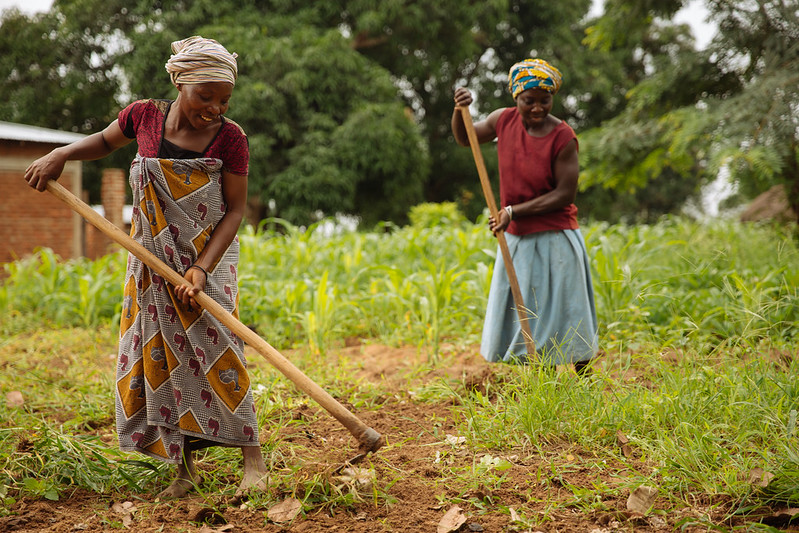
Most rural farmers continue to rely on informal coping mechanisms such as borrowing from relatives, selling livestock, reducing consumption, or abandoning farming altogether after severe climate shocks.
Climate change is no longer a distant environmental concern for Tanzanian farmers; it has become a direct economic threat affecting production, incomes, and national food security. Across regions such as Dodoma, Singida, Shinyanga, Mbeya, and parts of Morogoro, farmers are experiencing longer droughts, sudden floods, unpredictable rainfall patterns, and shifting planting seasons. These climate shocks routinely wipe out crops, reduce livestock productivity, and push rural households deeper into poverty.
In theory, agricultural insurance should act as a financial shock absorber, protecting farmers against weather-related losses and stabilizing rural incomes. In practice, however, adoption remains extremely low. Estimates suggest that less than 5% of Tanzanian smallholder farmers have any form of agricultural insurance coverage. This gap persists despite growing climate risks, expanding mobile money use, and increasing policy discussions around climate resilience.
Understanding why agricultural insurance has failed to gain traction in rural Tanzania is critical not only for farmers but for the broader economy that depends heavily on agriculture for employment, food supply, and export earnings.
The Current State of Agricultural Insurance in Tanzania
Agricultural insurance in Tanzania is still at an early and experimental stage. Most available products focus on index-based insurance, which pays out based on weather indicators such as rainfall levels or satellite-detected vegetation stress, rather than on-field loss assessments. These products are designed to reduce costs and avoid disputes over damage verification.
Pilot programs have been implemented in selected regions, often supported by development partners, NGOs, or donor-funded climate projects. Insurance products are commonly linked to specific crops such as maize, rice, and cotton, or bundled with microfinance loans and input packages.
Despite these efforts, coverage remains limited in both geographic reach and farmer awareness. Most rural farmers continue to rely on informal coping mechanisms such as borrowing from relatives, selling livestock, reducing consumption, or abandoning farming altogether after severe climate shocks.
Structural and Behavioural Barriers to Adoption
1. Low Financial Literacy and Limited Awareness
One of the most persistent barriers is low financial literacy. Many farmers do not fully understand how insurance works, especially index-based products that do not pay out immediately after visible crop losses. The concept of paying a premium today for a potential future payout remains unfamiliar and often counterintuitive.
In some communities, insurance is confused with taxation or gambling, leading to resistance and skepticism. Without sustained education and trust-building, farmers are reluctant to commit scarce resources to a product they do not fully understand.
2. Mistrust and Negative Past Experiences
Trust plays a critical role in financial services adoption. Delayed payouts, unclear contract terms, and limited communication during past pilot programs have created negative perceptions of insurance providers. When farmers experience crop failure and do not receive timely compensation, confidence in the entire insurance concept erodes.
In rural settings where word-of-mouth is powerful, one failed payout can discourage dozens of potential adopters.
3. Perceived Cost and Affordability Constraints
Although insurance premiums may appear modest from a policy perspective, many smallholder farmers operate on thin and unpredictable margins. Paying premiums upfront especially before planting season competes with urgent needs such as seeds, fertilizer, school fees, and food.
Without subsidies or flexible payment structures, insurance is often viewed as an unnecessary expense rather than a protective investment.
Policy and Market Gaps Limiting Scale
1. Absence of Premium Subsidies
In many countries where agricultural insurance has scaled successfully such as India, Kenya, and Morocco government premium subsidies play a central role. In Tanzania, insurance premiums are largely farmer-funded, making widespread adoption unlikely.
Without public support, insurance markets remain small, risky, and unattractive to private providers.
2. Weak Public–Private Coordination
Agricultural insurance requires coordination between government agencies, insurers, meteorological services, financial institutions, and farmer organizations. In Tanzania, this coordination remains fragmented. Weather data quality, extension services, and insurance distribution channels are not sufficiently integrated.
As a result, products remain pilot-based rather than nationally scalable.
3. Limited Integration with Agricultural Programs
Insurance is rarely embedded within broader agricultural support programs such as input subsidies, irrigation schemes, or value-chain financing. This isolation reduces its visibility and limits its perceived relevance to farmers.
Economic Implications of Low Insurance Uptake
The absence of insurance has significant economic consequences. Without protection against climate risk, farmers become risk-averse. They avoid high-yield seeds, fertilizer, mechanization, and commercial crops, opting instead for low-input, low-return farming systems.
This creates a self-reinforcing cycle:
- Low investment leads to low productivity
- Low productivity reduces incomes
- Low incomes increase vulnerability to climate shocks
At a national level, this dynamic constrains agricultural growth, increases reliance on food imports, and weakens rural purchasing power ultimately slowing economic development.
Outlook and Way Forward
Expanding agricultural insurance in Tanzania requires a shift from pilot projects to systems thinking.
First, insurance must be bundled with essential services such as seeds, fertilizer, credit, and extension support. When insurance is embedded within existing transactions, adoption becomes easier and more intuitive.
Second, mobile money platforms offer a powerful tool for premium collection, payouts, and communication, reducing transaction costs and improving transparency. Third, farmer cooperatives and producer groups can serve as trusted intermediaries, improving trust and reducing distribution costs.
Also, the government must recognize agricultural insurance as a public good for climate resilience. Strategic premium subsidies, improved weather data systems, and clear regulatory frameworks can unlock private investment and expand coverage.
As climate risks intensify, agricultural insurance will no longer be optional it will become a defining pillar of Tanzania’s agricultural sustainability and food security strategy.
