
Ethiopia’s EV Manufacturing Push Signals a Strategic Shift. Tanzania Should Pay Attention.
Ready
Ethiopia’s plan to establish 60 electric vehicle factories by 2030 marks one of Africa’s most aggressive industrial shifts toward energy sovereignty. With renewable power backing the transition, the move could reshape regional manufacturing, trade balances, and transport systems, raising urgent strategic questions for Tanzania’s energy security and automotive future.
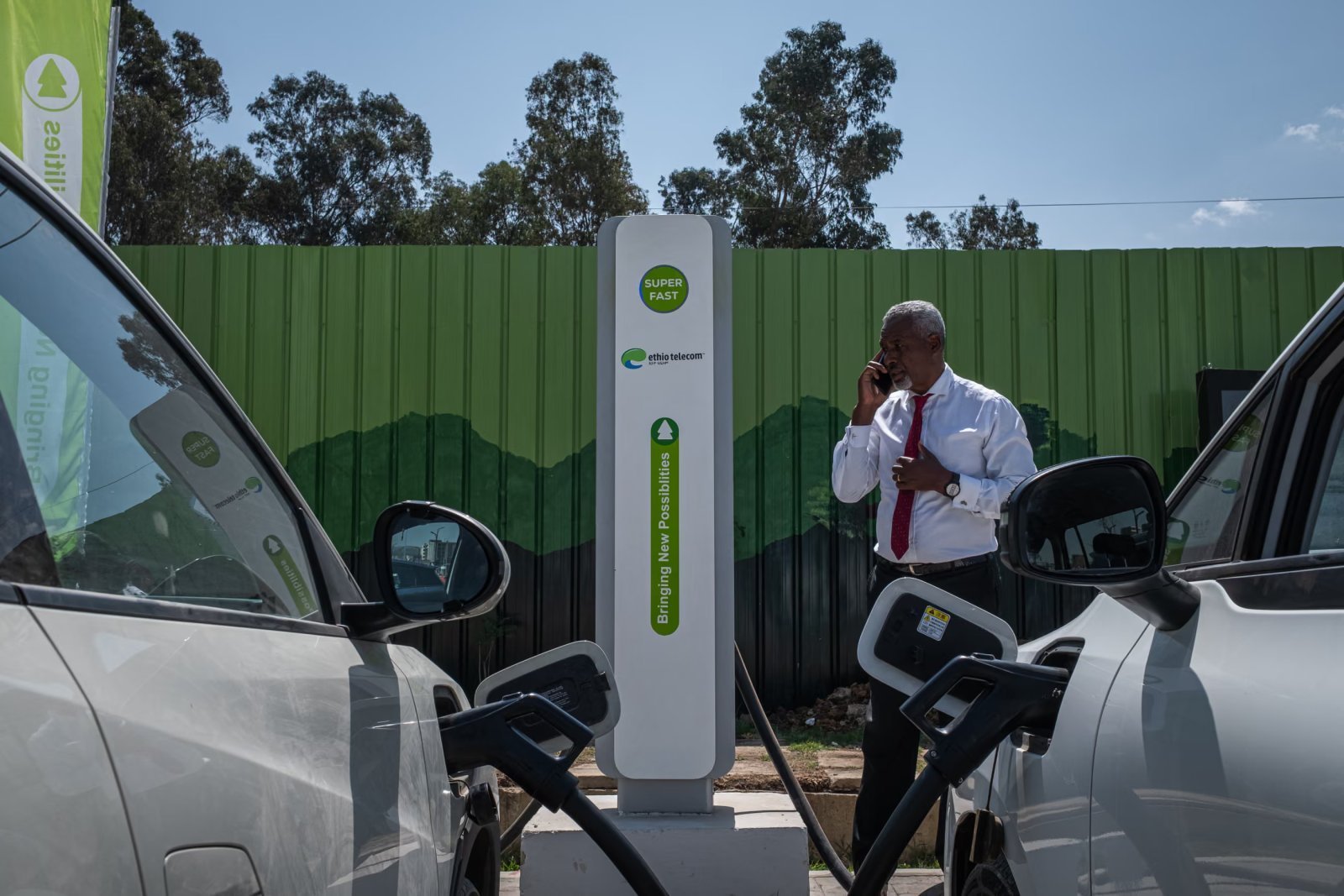
Ethiopia has announced an ambitious plan to establish 60 electric vehicle (EV) factories by 2030, positioning the move as central to achieving long-term energy sovereignty. According to the country’s Ministry of Transport and Logistics, 17 EV assembly plants are already operational, with additional plans to import 500,000 electric vehicles by 2032 to accelerate domestic adoption.
Officials say the transition is feasible because Ethiopia possesses abundant renewable energy, particularly hydropower, which can support large-scale electrified transport without increasing fossil fuel dependence.
What Ethiopia Is Actually Doing
This is not a climate branding exercise. It is industrial policy.
Ethiopia is attempting to simultaneously:
- Reduce fuel import bills
- Build domestic manufacturing capacity
- Capture future automotive value chains
- Utilize surplus renewable electricity
- Strengthen geopolitical independence from oil markets
Transport fuel is one of the largest drains on foreign exchange in most African economies. Electrification directly targets that vulnerability.
Ethiopia already generates most of its power from renewables, led by mega-projects such as the Grand Ethiopian Renaissance Dam. Electrifying transport converts that electricity surplus into economic leverage.
Why This Matters for Tanzania
Tanzania faces many of the same structural pressures but has not yet moved at comparable scale.
1. Foreign Exchange Leakage From Fuel Imports
Tanzania spends billions annually on petroleum imports. EV adoption would reduce this outflow over time.
If Ethiopia succeeds, it will demonstrate that African economies can substitute imported fuel with domestically generated energy.
That creates competitive pressure.
2. Risk of Losing Regional Automotive Leadership
East Africa’s automotive ecosystem is still forming. The country that industrialised first will dominate supply chains.
Ethiopia’s strategy positions it to become:
• A regional EV assembly hub
• A parts manufacturing center
• A battery and charging technology market
• A destination for green industrial investment
If Tanzania delays, it risks becoming primarily a consumer market for Ethiopian-made vehicles.
3. Energy Strategy Implications
Tanzania has significant untapped electricity potential, including hydropower, natural gas, solar, and wind.
Electrifying transport could:
- Stabilize demand for new power generation projects
- Improve utilization of off-peak electricity
- Support industrialization objectives
- Reduce urban air pollution
Without large electricity demand growth, power infrastructure investments risk underutilisation.
EVs create guaranteed demand.
4. Urban Transport Transformation
Cities such as Dar es Salaam face chronic congestion and air quality issues. Electric buses, taxis, and motorcycles would deliver immediate urban benefits:
- Lower operating costs for transport operators
- Reduced emissions and noise
- Less dependence on volatile fuel prices
Ethiopia’s scale signals that electrification is no longer experimental. It is becoming mainstream policy.
5. Opportunity for Tanzania to Leapfrog
Tanzania still has a window to move strategically rather than reactively.
Priority areas include:
- Electric buses for public transit
- Electrification of boda-boda fleets
- Local assembly incentives
- Charging infrastructure corridors
- Battery recycling and servicing industries
These segments require less capital than full passenger-car manufacturing and deliver faster economic returns.
The Structural Advantage Ethiopia Holds
Ethiopia benefits from one key factor: extremely low electricity generation costs from hydropower.
Cheap electricity makes EV operation dramatically more economical than petrol or diesel vehicles.
Tanzania can replicate this advantage only if electricity tariffs remain competitive and supply is reliable.
Strategic Lessons for Tanzania
Ethiopia’s announcement reflects a broader reality: the global automotive industry is transitioning faster than many African policy frameworks.
If Tanzania intends to build a modern industrial economy, transport electrification must be treated as:
Not just environmental policy
Not just transport policy
But core economic policy
Countries that control energy, manufacturing, and mobility systems control long-term development trajectories.
Bottom Line
Ethiopia is not simply adopting electric vehicles. It is attempting to redesign its economic foundations around domestically powered mobility. For Tanzania, the choice is binary: Shape the regional EV future or import it. The decisions made in the next five years will determine which path prevails.
 Uchumi360
Business Intelligence
Uchumi360
Business Intelligence
Uchumi360 covers business, investment, and economic policy across East, Central, and Southern Africa.
For the serious reader
You read to the end. That places you in a small group.
Uchumi360 is built for readers who demand precision over speed, structure over sentiment, and analysis that holds uncomfortable conclusions rather than softening them. If this work sharpens how you think about Africa's economy, help us keep building the infrastructure behind it.
Institutional Partners
Commission intelligence. Shape the conversation.
Uchumi360 works with development finance institutions, investment firms, sovereign bodies, and strategic organisations across the coverage region. Institutional partnership unlocks:
- Commissioned sector and country intelligence reports
- Branded research series under your institution's authority
- Exclusive data briefings for internal strategy teams
- Speaking and editorial presence at Uchumi360 events
- Co-published investment outlooks for your markets
Support Our Work
Independent analysis has a cost. Help us bear it.
Uchumi360 does not carry advertising. It does not take editorial direction from sponsors. Every article is produced without commercial compromise. Your contribution funds the reporting, research, and editorial infrastructure that keeps this analysis free from influence.
Secure checkout: One-time and monthly support are processed securely.
Stay Connected
Keep up with every new insight.
Follow our latest analysis, policy coverage, and market intelligence as soon as it is published. If you need something specific, reach out directly and we will point you to the right research.
