

The End of an Era: Aga Khan Fund Exits Nation Media Group After 66 Years
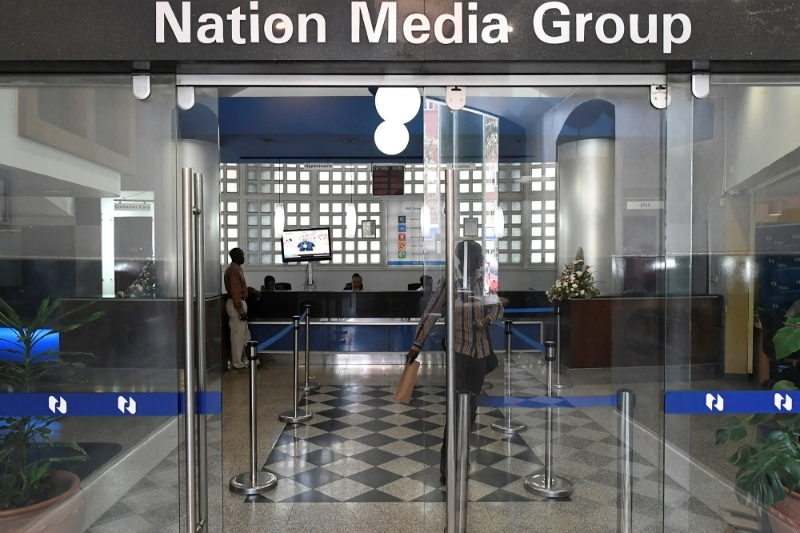
After 66 years of ownership, the Aga Khan Fund for Economic Development is exiting Nation Media Group, ending one of the most influential partnerships in East African media history. The move signals a deeper shift underway across the region’s information economy as traditional media confronts digital disruption, new ownership structures, and intensifying competition for audiences and advertising revenue.
The Aga Khan Fund for Economic Development (AKFED) has announced the sale of its controlling stake in Nation Media Group (NMG), bringing to a close one of the most consequential ownership relationships in East African media history. The transaction transfers AKFED’s 100 percent shareholding in NPRT Holdings Africa Limited, which controls 54.08 percent of Nation Media Group, to Taarifa Ltd.
The decision ends a 66-year partnership that began in 1959, when the Aga Khan network helped establish what would become one of Africa’s most influential media institutions.
For East Africa’s media industry, the deal signals more than a change in ownership. It marks the beginning of a new phase in the region’s information economy, shaped increasingly by digital transformation, platform competition, and evolving business models.
A Media Institution Born in the Independence Era
Nation Media Group’s origins are deeply tied to the political transformation of East Africa.
The organization began with Taifa Leo, a Kiswahili newspaper founded during the colonial period to provide an independent African voice. Soon after, Daily Nation was launched in 1960 and quickly became a trusted news source as Kenya approached independence in 1963.
Over the following decades, the company evolved into a regional media powerhouse.
Today NMG operates more than 30 media brands across Kenya, Uganda, Tanzania, and Rwanda. Its platforms span print, television, radio, and digital publishing, reaching over 60 million digital users and employing more than a thousand media professionals across East Africa.
It was also a pioneer in African capital markets. Nation Media Group listed on the Nairobi Securities Exchange in 1973, becoming one of the continent’s earliest publicly traded media companies.
AKFED’s stewardship helped position NMG as a leading advocate of editorial independence and public interest journalism in the region.
Why the Exit Now?
The timing of the sale reflects broader structural changes in the global media industry.
Traditional revenue streams such as print advertising and newspaper circulation have steadily declined over the past decade as audiences migrate online. At the same time, digital platforms such as Google, Meta, and TikTok have captured a growing share of advertising revenue.
This has forced legacy media companies to rethink their strategies.
According to the announcement, the new owner intends to accelerate Nation Media Group’s digital transformation, strengthening its connection with audiences while investing in new digital products and platforms.
The emphasis on digital growth highlights a critical reality facing African media companies: survival increasingly depends on technology, data analytics, and new monetization models rather than print circulation alone.
Strategic Implications for East African Media
The ownership transition comes at a time when East Africa’s media landscape is undergoing rapid change.
Three major forces are reshaping the industry;
First, digital consumption is surging. Smartphone penetration, affordable mobile data, and social media platforms have transformed how audiences access news. Younger readers increasingly prefer short-form digital content, video, and real-time updates.
Second, advertising markets are fragmenting. Global technology platforms now capture a large share of digital advertising budgets, reducing revenue available to traditional media houses.
Third, regional expansion is becoming essential. Media companies must operate across borders to scale audiences and revenue streams.
For Nation Media Group, the challenge will be maintaining its editorial credibility while adapting to a rapidly evolving commercial environment.
The Regional Context
East Africa remains one of Africa’s most dynamic media markets. The region’s population is young, urbanization is accelerating, and internet penetration continues to expand. These trends create significant demand for information, entertainment, and digital content.
However, profitability in the media sector is becoming harder to sustain.
Media houses must now invest in:
- digital infrastructure
- subscription platforms
- multimedia production
- audience data analytics
- mobile-first content distribution
Companies that fail to adapt risk losing relevance in an ecosystem dominated by technology platforms.
What This Means for Investors
For investors observing the East African media sector, the deal reflects a broader restructuring underway across the industry. Traditional media is moving from a print-centric model to a digital platform model, requiring different capabilities and capital allocation strategies.
Investors will increasingly evaluate media companies based on:
- digital audience growth
- subscription revenue potential
- data and technology capabilities
- cross-platform content distribution
Nation Media Group’s future trajectory will likely depend on how successfully it navigates this transition.
A Symbolic Moment for East African Media
AKFED’s exit closes a remarkable chapter in African media history. For more than six decades, the Aga Khan network played a central role in shaping independent journalism in East Africa, supporting an institution that helped define the region’s public discourse.
The next chapter will be written in a very different media environment. Digital platforms, artificial intelligence, and global content competition are redefining how information is produced, distributed, and monetized.
Nation Media Group’s transformation will therefore serve as a test case for whether legacy African media institutions can successfully reinvent themselves in the digital age. For East Africa’s information economy, the outcome will matter far beyond a single company.