
Building a Successful Cosmetics and Perfume Business in Tanzania (2026): Strategy, Structure, and Scalable Growth
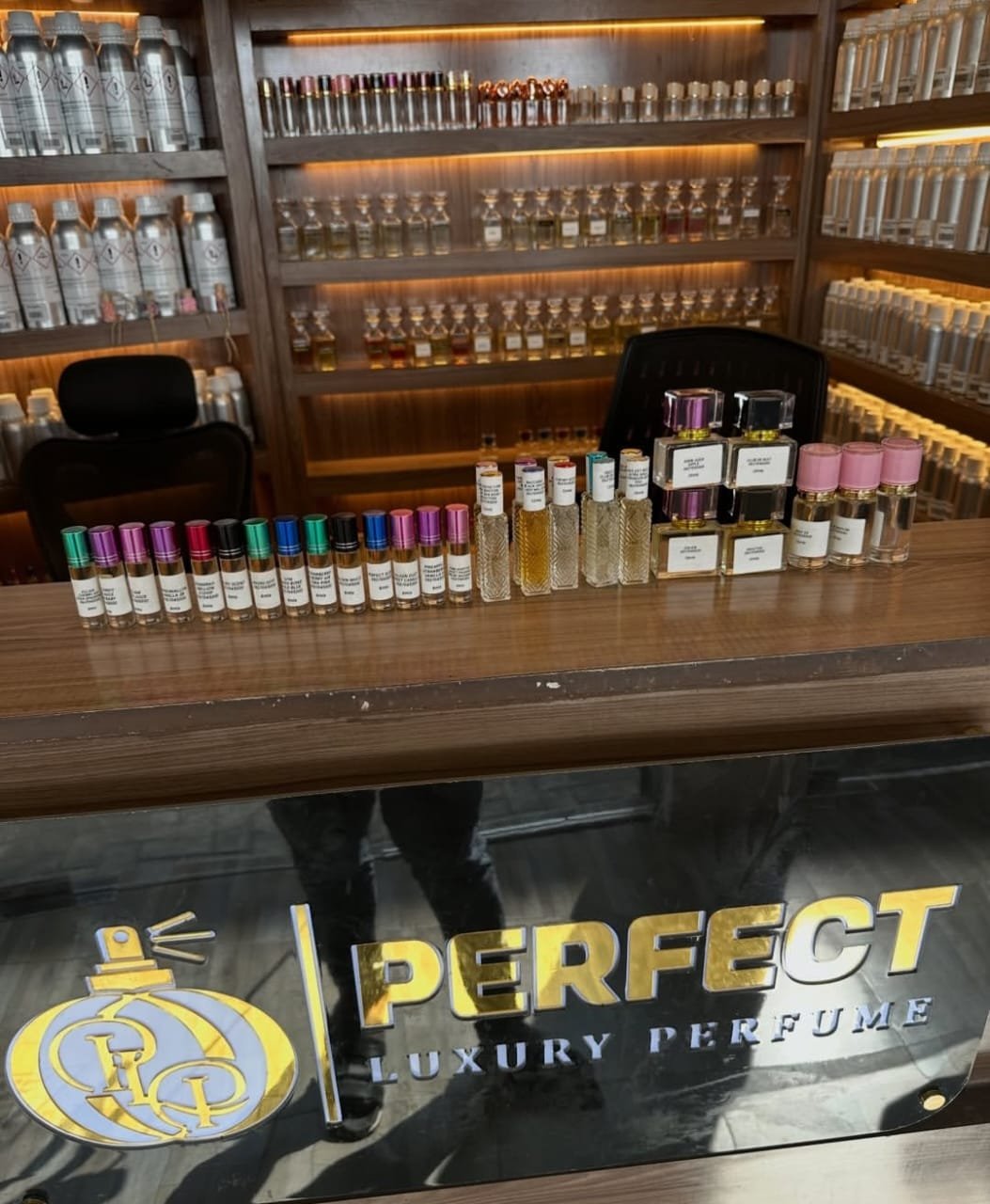
Ready
The cosmetics and perfume industry in Tanzania is rapidly evolving, driven by urbanization, social media influence, and rising demand for personal grooming products. However, increased competition and stricter regulatory standards mean that success now depends on more than just selling products. Entrepreneurs must focus on branding, financial discipline, legal compliance, and strategic market positioning. This article explores how to build a scalable and sustainable cosmetics and perfume business in Tanzania in 2026, moving from simple trading to long-term brand ownership and market leadership.
In today’s fast-evolving consumer economy, the cosmetics and perfume industry in Tanzania presents both significant opportunities and complex challenges. Rapid urbanization, the influence of social media, and a growing culture of personal grooming have fueled demand for beauty and fragrance products across all demographics. From young professionals in Dar es Salaam to students and entrepreneurs in emerging urban centers, the desire to look good and smell distinctive has become a daily priority rather than a luxury.
However, this growing demand has also led to market saturation, particularly in entry-level segments such as perfume reselling and basic cosmetics retail. Informal traders, online sellers, and imported low-cost products dominate the landscape, creating intense price competition and reducing margins for unstructured businesses. Additionally, increasing regulatory enforcement by institutions such as the Tanzania Bureau of Standards (TBS) has raised the stakes, requiring businesses to comply with quality, safety, and labeling standards.
For entrepreneurs, this means one thing: success in this industry is no longer about selling products; it is about building systems, brands, and strategic positioning.
1. Understanding the Market and Consumer Behavior
A successful cosmetics and perfume business begins with a deep understanding of the target market. In Tanzania, consumer preferences are shaped by several key factors:
- Climate (preference for long-lasting, strong scents)
- Cultural and social settings (events, work environments, religious practices)
- Income levels (demand for both affordable and premium options)
- Influence of global trends via TikTok and Instagram
Perfume buyers, for example, are not just purchasing a fragrance they are buying identity, confidence, and social presence. Similarly, cosmetics consumers are increasingly aware of product quality, skin compatibility, and brand perception.
Businesses that invest in continuous market observation, customer feedback, and trend analysis are better positioned to identify gaps. For instance:
- There is a growing niche for premium but affordable local brands
- Demand for authentic, long-lasting perfumes remains underserved
- Natural and organic skincare is slowly gaining traction
Understanding these dynamics allows entrepreneurs to move beyond generic selling and into targeted value creation.
2. Choosing the Right Business Model
The cosmetics and perfume industry offers multiple entry points, but selecting the right model is critical for sustainability.
a) Repackaging and Reselling (Entry-Level Model)
This involves purchasing perfume oils in bulk and repackaging them into smaller, branded containers.
- Low startup capital
- High profit margins
- Fast market entry
However, this model is highly competitive and requires differentiation through branding and customer experience.
b) Retail Cosmetics Store (Intermediate Model)
A physical or online store offering a mix of products:
- Perfumes
- Skincare products
- Makeup
This model provides steady income streams but requires investment in inventory, location, and operations.
c) Private Label / Brand Development (Advanced Model)
Creating and selling your own branded products.
- Highest long-term profitability
- Strong market positioning
- Greater control over pricing and perception
This model transforms a business from a trader into a brand owner, which is where real scalability lies.
3. Financial Discipline and Capital Allocation
One of the most common reasons small businesses fail is poor financial management. In the cosmetics and perfume business, maintaining financial discipline is essential due to fluctuating demand and inventory costs.
Entrepreneurs should focus on:
- Clear budgeting for stock, packaging, and marketing
- Tracking cash flow consistently
- Avoiding overstocking slow-moving products
- Maintaining a reserve fund for reinvestment
For example, a simple perfume unit may cost:
- Product + packaging: TZS 7,000
- Selling price: TZS 15,000 – 20,000
This creates attractive margins, but without proper tracking, profits can easily disappear through inefficiencies.
Financial discipline ensures that growth is sustainable rather than accidental.
4. Navigating Legal and Regulatory Requirements
Compliance is increasingly becoming a defining factor in business survival.
To operate legally in Tanzania, a cosmetics and perfume business must engage with:
- Business Registrations and Licensing Agency (BRELA) for business registration
- Tanzania Revenue Authority (TRA) for tax identification
- Tanzania Bureau of Standards (TBS) for product certification
Failure to comply can result in:
- Product confiscation
- Financial penalties
- Business closure
However, compliance also offers a strategic advantage:
It builds trust, credibility, and access to higher-value markets.
5. Building a Strong and Recognizable Brand
In a crowded marketplace, branding is the primary differentiator.
A strong brand communicates:
- Quality
- Consistency
- Identity
Key elements of effective branding include:
a) Brand Name and Positioning
A memorable, premium-sounding name enhances perception.
b) Packaging and Presentation
Customers often judge product quality based on appearance.
High-quality bottles, clean labeling, and professional design increase perceived value.
c) Unique Selling Proposition (USP)
Your business must answer one question clearly:
Why should a customer choose you?
Examples:
- Long-lasting fragrances (12–24 hours)
- Luxury-inspired scents at accessible prices
- Signature, exclusive blends
Branding transforms a product into an experience.
6. Leveraging Technology and Digital Marketing
Technology has leveled the playing field, allowing small businesses to compete with larger firms.
In Tanzania, the most effective platforms include:
- TikTok (high engagement and virality)
- Instagram (visual branding and lifestyle marketing)
- WhatsApp Business (direct sales and customer relationships)
Effective strategies include:
- Demonstration videos (“24-hour perfume test”)
- Customer testimonials
- Influencer collaborations
Businesses that consistently produce engaging content can build strong brand visibility at low cost.
7. Customer Experience as a Competitive Advantage
In many local markets, customer service remains a weak point. This creates an opportunity for businesses that prioritize:
- Fast response times
- Reliable delivery
- Honest communication
- After-sales engagement
Customer experience is not an accessory; it is a core growth driver.
Satisfied customers become repeat buyers and brand ambassadors.
8. Strategic Growth and Scaling
A structured growth path is essential for long-term success:
- Entry
- Start small
- Test products
- Build a customer base
- Stabilization
- Register the business
- Improve branding
- Optimize operations
- Expansion
- Open a physical location or scale online
- Import products
- Increase product range
- Brand Authority
- Launch proprietary products
- Supply other retailers
- Establish market leadership
Scaling should be intentional and data-driven, not rushed.
9. Continuous Innovation and Market Adaptation
Consumer preferences evolve rapidly. Businesses must remain:
- Flexible
- Observant
- Willing to experiment
Innovation can take many forms:
- New fragrance blends
- Improved packaging
- Creative marketing campaigns
Businesses that innovate consistently remain relevant and competitive.
10. Avoiding Common Pitfalls
Entrepreneurs should be aware of common mistakes:
- Selling low-quality or counterfeit products
- Competing solely on price
- Ignoring branding
- Neglecting legal requirements
- Poor financial management
Avoiding these pitfalls significantly increases the probability of success.
From Trader to Brand Builder
The cosmetics and perfume business in Tanzania offers a clear pathway:
Seller → Brand Owner → Market Leader
While entry barriers are low, long-term success requires:
- Strategic thinking
- Financial discipline
- Strong branding
- Market awareness
Ultimately, this is not just a business of products; it is a business of perception, identity, and experience. Entrepreneurs who understand this distinction position themselves not merely as sellers, but as creators of value in a competitive and evolving market.
 Uchumi360
Business Intelligence
Uchumi360
Business Intelligence
Uchumi360 covers business, investment, and economic policy across East, Central, and Southern Africa.
For the serious reader
You read to the end. That places you in a small group.
Uchumi360 is built for readers who demand precision over speed, structure over sentiment, and analysis that holds uncomfortable conclusions rather than softening them. If this work sharpens how you think about Africa's economy, help us keep building the infrastructure behind it.
Institutional Partners
Commission intelligence. Shape the conversation.
Uchumi360 works with development finance institutions, investment firms, sovereign bodies, and strategic organisations across the coverage region. Institutional partnership unlocks:
- Commissioned sector and country intelligence reports
- Branded research series under your institution's authority
- Exclusive data briefings for internal strategy teams
- Speaking and editorial presence at Uchumi360 events
- Co-published investment outlooks for your markets
Support Our Work
Independent analysis has a cost. Help us bear it.
Uchumi360 does not carry advertising. It does not take editorial direction from sponsors. Every article is produced without commercial compromise. Your contribution funds the reporting, research, and editorial infrastructure that keeps this analysis free from influence.
Secure checkout: One-time and monthly support are processed securely.
Stay Connected
Keep up with every new insight.
Follow our latest analysis, policy coverage, and market intelligence as soon as it is published. If you need something specific, reach out directly and we will point you to the right research.
