

Can Commercial Seed Production Become Tanzania’s Next Big Agricultural Opportunity?
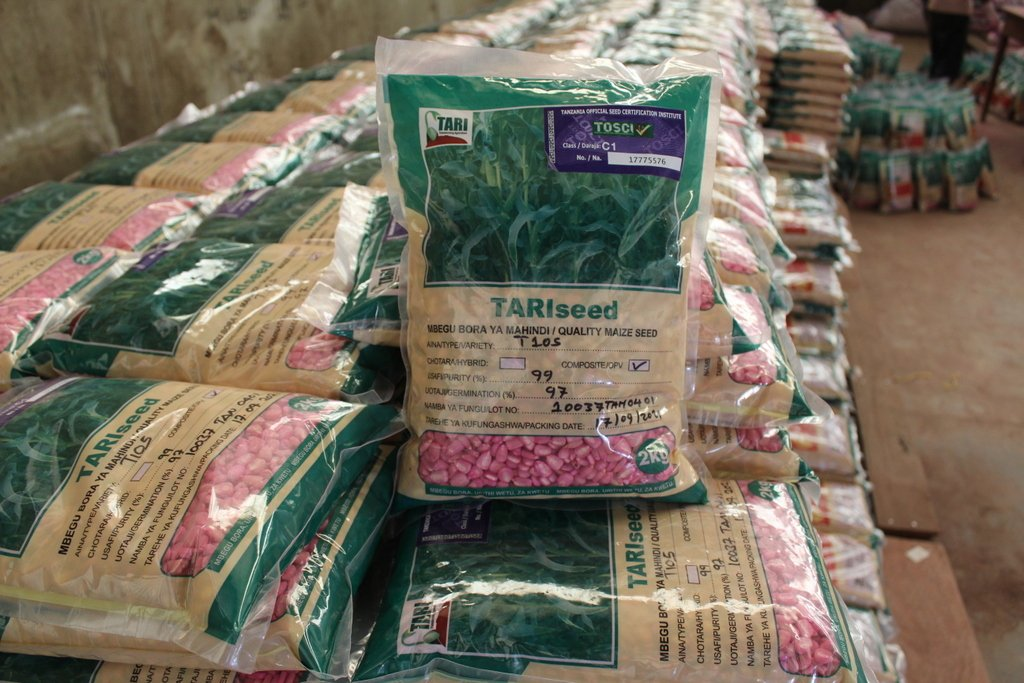
High-quality seeds are the foundation of a productive agricultural sector, and in Tanzania, demand for improved seeds continues to grow each year. Farmers across the country, from the Southern Highlands to the Lake Zone, are recognizing that good seeds are the starting point for higher yields, better resistance to pests and diseases, and improved income.
High-quality seeds are the foundation of a productive agricultural sector, and in Tanzania, demand for improved seeds continues to grow each year. Farmers across the country, from the Southern Highlands to the Lake Zone, are recognizing that good seeds are the starting point for higher yields, better resistance to pests and diseases, and improved income. As a result, the commercial seed production business is becoming one of the most promising agribusiness ventures in Tanzania today.
Why Commercial Seed Production Is a Big Opportunity
Agriculture remains the backbone of Tanzania's economy, yet many farmers still depend on traditional, recycled, or uncertified seeds. These seeds often produce low yields, are vulnerable to climate change, and carry a high risk of crop failure. Improved, certified seeds, on the other hand, can boost yields by 30–60%, strengthen food security, and increase farm profitability.
The growing interest in climate-smart agriculture, commercial farming investments, and national food security programs has created a strong market for certified seeds. This makes seed production not only profitable but also vital for national development.
Understanding How Seed Production Works
Commercial seed production follows specific scientific and regulatory processes designed to ensure quality, purity, and performance. The value chain typically includes three stages:
1. Breeder Seeds
These are developed by research institutions such as agricultural research centres and universities and serve as the genetic base. Breeder seeds contain the original traits of improved varieties, including drought resistance, pest tolerance, or early maturity.
2. Foundation Seeds
Breeder seeds are then grown under strict monitoring to produce foundation seeds. This step ensures that the purity and quality of the original variety are maintained. Foundation seeds serve as the main raw material for producing certified seeds.
3. Certified Seeds
These are the seeds sold to farmers. They must pass official inspections, germination tests, and purity standards before receiving certification. Certified seeds guarantee higher productivity and are the most in-demand segment of the seed market.
This structured process ensures farmers receive seeds that are reliable, disease-free, and suitable for Tanzania’s diverse agro-ecological zones.
Business Opportunities in the Seed Value Chain
Tanzania’s seed sector offers multiple profitable entry points for entrepreneurs, investors, and farmer groups. Each stage of the value chain has its own potential:
Seed Multiplication
This involves growing foundation or breeder seeds to produce certified seeds. It requires good land, proper isolation distances, and adherence to quality standards. Seed multiplication is often done through contract farming with seed companies or research institutions.
Seed Processing and Packaging
After harvest, seeds must be dried, cleaned, graded, treated, and packaged. Investing in processing facilities creates added value and opens the door to supplying supermarkets, agro-dealers, and institutional buyers.
Distribution and Retail
The market for agro-input shops continues to expand in both rural and urban areas. Selling certified seeds to farmers, cooperatives, NGOs, and government programs is a major business opportunity.
Specialized Seed Production
High-value categories such as horticultural seeds, pasture seeds, hybrid maize, or climate-resilient varieties offer even higher profit margins. These categories are increasingly in demand as farming systems adapt to climate change.
What Is Driving the Growth of Seed Production in Tanzania?
Several national and regional trends are fueling demand for certified seeds:
Increasing Awareness
Farmers are becoming more aware of the benefits of using improved seeds as agricultural extension services and input programs expand.
Government Support
Policies promoting food security, improved farming practices, and agricultural transformation are driving the growth of the formal seed industry.
Climate Change
Unpredictable weather patterns have increased the demand for drought-tolerant, pest-resistant, and fast-maturing varieties.
Regional Market Opportunities
Tanzania’s strategic location within the East African Community and SADC provides opportunities for cross-border seed trade.
Together, these trends are creating a strong and sustained market for commercial seed production.
Challenges Facing the Seed Industry
Despite its potential, the seed sector faces several challenges that must be addressed:
- Limited access to capital for processing and storage facilities
- Low adoption of certified seeds among smallholder farmers
- Climate variability affecting seed multiplication fields
- Competition from informal and unregulated seed markets
- Weak distribution networks in remote areas
Solving these challenges will require greater collaboration among government, private seed companies, financial institutions, and farmer organizations.
