

Tanzania’s Growing Role in Africa’s Tobacco Economy
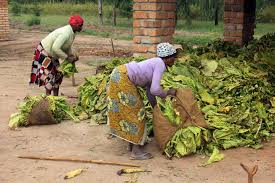
According to the International Tobacco Growers Association (ITGA), Tanzania produced about 122,858 tonnes of tobacco in the 2023/2024 season.
Tanzania has become one of Africa’s top producers of tobacco, ranking second on the continent after Zimbabwe. This growth not only reflects the sector’s commercial potential but also its deep-rooted impact on Tanzania’s rural economy, exports, and national development agenda.
Tobacco Production and Economic Significance
According to the International Tobacco Growers Association (ITGA), Tanzania produced about 122,858 tonnes of tobacco in the 2023/2024 season. The industry currently supports more than 90,000 registered farmers, mainly in Tabora, Urambo, Mpanda, Songea, Chunya (Mbeya) areas, known for their ideal soil and climate conditions.
Tobacco remains one of Tanzania’s leading cash crops, providing significant income for farmers and foreign exchange for the country. Despite international campaigns against tobacco, global demand for raw leaf, especially from China, Europe, and the Middle East, continues to drive the sector’s exports.
Contribution to Exports and GDP
In 2023, Tanzania’s exports of tobacco and manufactured tobacco substitutes reached approximately US $378 million, representing about 5.2% of total national exports, which amounted to US $7.27 billion.
Historically, tobacco was once responsible for 30–35% of Tanzania’s annual export earnings, though in recent years its share has decreased as the economy has diversified. Even so, tobacco remains among the top five agricultural export commodities.
While the National Bureau of Statistics (NBS) has not recently published an exact figure for tobacco’s share of GDP, past estimates suggest that the sector contributes around 1–2% to Tanzania’s agriculture GDP, depending on global price fluctuations and production levels.
Tax Revenue and Government Earnings
Tobacco contributes notably to government revenue through excise duties, VAT, and export levies. In 2020, the government collected about TZS 36 billion (approximately US $14 million) in tobacco-related taxes, according to a UNDP 2024 report. This revenue supports public services and infrastructure projects, particularly in rural areas where tobacco farming is concentrated.
However, because most of Tanzania’s tobacco is exported in raw or semi-processed form over 90% the country loses potential revenue from value addition and manufacturing.
The Value Chain and the Need for Diversification
Despite its strong export base, Tanzania’s tobacco value chain remains narrowly focused on primary production. Limited local processing means fewer job opportunities and lower returns for farmers. The Tanzania Tobacco Board (TTB) has emphasized the importance of investment in local processing industries, which would allow the country to earn more from its exports and create sustainable employment.
To address these gaps, the government is encouraging private investment in leaf processing and cigarette manufacturing, as well as diversification into alternative crops to reduce dependency on tobacco alone.
Challenges and Sustainability Concerns
Tobacco farmers face challenges such as low farm-gate prices, rising input costs, and climate variability affecting yields. In addition, global anti-tobacco regulations and environmental degradation from tobacco cultivation pose long-term risks.
The sector’s dependence on exports also makes it vulnerable to global price fluctuations and shifts in trade policies. Experts have recommended introducing sustainable farming practices and crop diversification programs to balance economic and environmental priorities.
The Future Outlook
The future of Tanzania’s tobacco economy lies in policy-driven transformation improving market access, ensuring fair pricing, and promoting value addition through domestic processing. The government’s agricultural modernization strategy recognizes tobacco as a key export but also emphasizes environmental conservation and health awareness.
If properly managed, Tanzania could transition from being a raw-leaf exporter to a regional processing hub, generating more income, tax revenue, and employment opportunities while mitigating health and environmental risks.
Conclusion
Tanzania’s tobacco industry remains a powerful contributor to the national economy, a source of income, exports, and rural employment. Yet its long-term success depends on diversification, sustainability, and innovation. As the world shifts toward greener and healthier economies, Tanzania’s ability to modernize its tobacco sector and add value locally will determine whether the industry continues to thrive or fades into the past.
