

Tanzania’s Vanilla Potential: From Niche Crop to Global Opportunity
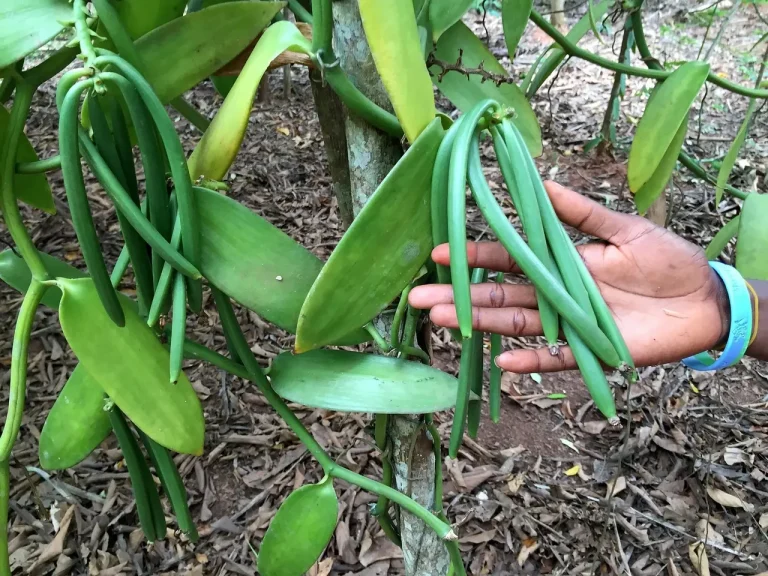
Vanilla is often referred to as the “green gold” of agriculture. Globally, demand for natural vanilla continues to rise, driven by food, beverage, cosmetics, and pharmaceutical industries.
Vanilla is often referred to as the “green gold” of agriculture. Globally, demand for natural vanilla continues to rise, driven by food, beverage, cosmetics, and pharmaceutical industries. Yet Tanzania, with fertile soils and diverse agro-ecological zones, is only scratching the surface of this opportunity.
Where Vanilla Grows in Tanzania
Tanzania is uniquely positioned to expand vanilla cultivation. The crop thrives in shaded, humid, and fertile environments found in several regions:
Kagera (Bukoba, Missenyi, Muleba, Karagwe, Kyerwa), Njombe, Morogoro (eastern areas with abundant rainfall), Kilimanjaro (moderate altitudes below 1,500m), Mbeya (Rungwe, Kyela, Mbeya Rural), Songwe (Ileje), Tanga Region (Muheza and surrounding areas), Zanzibar and Pemba (renowned for unique flavors).
These regions share common features rainfall between 1,200-2,500 mm per year, average temperatures of 20-30°C, and natural shade trees making them ideal for large-scale vanilla expansion.
Current Market Prices (2025)
Vanilla prices vary widely depending on quality and processing:
- Raw / lower-grade beans: TZS 35,000–70,000 per kg (≈US$14–30)
- Wholesale prices: US$10–20 per kg in some markets
- Premium dried beans: Up to TZS 800,000 per kg
- Value-added products (e.g. gourmet powder): TZS 320,000–340,000 per kg
This variation reveals a critical lesson: the real money lies in processing and value-addition, not raw sales.
Key Challenges Holding Back the Sector
- Price volatility in global vanilla markets.
- Quality control issues (poor curing, drying, storage).
- Weak bargaining power of smallholder farmers facing middlemen.
- Limited value-addition locally (most vanilla sold as raw pods).
- Knowledge and training gaps in best farming and processing practices.
Without addressing these challenges, farmers risk missing out on global opportunities despite high demand.
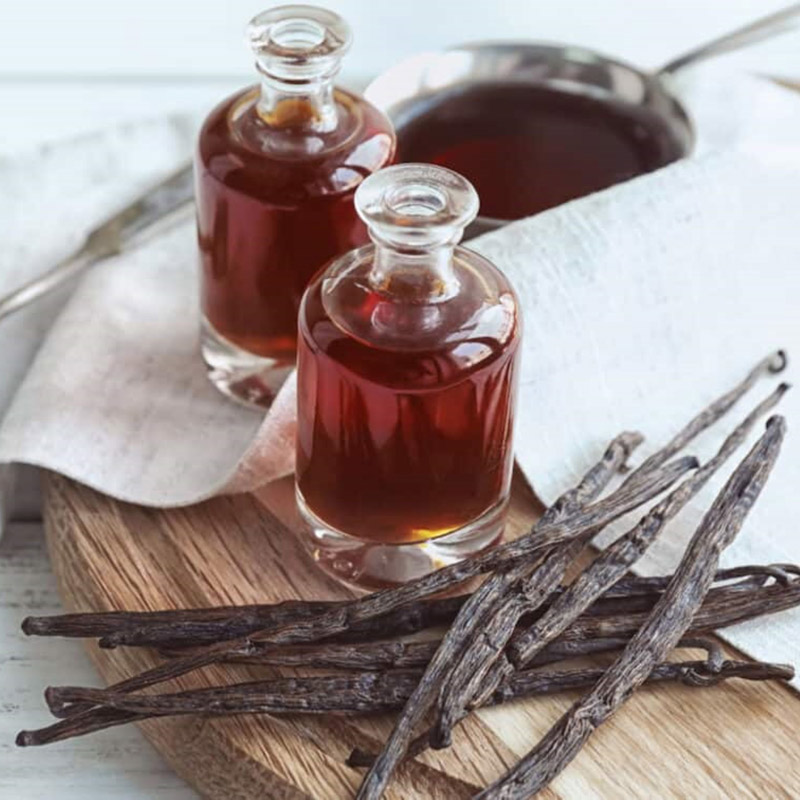
a) Invest in Processing
Establish curing and extraction facilities across producing regions. Vanilla extracts, powders, and pastes fetch far higher prices than raw beans.
b) Quality and Certification
Introduce traceability, organic certification, and geographic indications to position Tanzanian vanilla as premium on global shelves.
c) Branding and Marketing
Promote “Tanzanian Vanilla” as a unique brand shade-grown, organic, sustainable, and community-based appealing to conscious global consumers.
d) Cooperative and Contract Farming Models
Encourage farmer cooperatives and strengthen contract farming partnerships with processors to guarantee fair pricing and stable markets.
e) Policy and Infrastructure Support
Government can catalyze growth through tax incentives for processors, soft loans for farmers, and better rural infrastructure.
f) Agro-Tourism and Diversification
Leverage vanilla farms for tourism (farm visits, processing demonstrations), while exploring non-food markets like cosmetics and perfumery.
5. Why Vanilla Matters for Tanzania’s Economy
- High profitability per hectare compared to coffee or maize.
- Export diversification, reducing dependence on traditional crops.
- Job creation in farming, processing, packaging, and marketing.
- Community development through cooperatives and inclusive value chains.
Vanilla is more than just a crop; it can become a driver of rural transformation and a key pillar of Tanzania’s agricultural exports.
Conclusion
With rising global demand, Tanzania stands at the edge of a major vanilla revolution. By shifting focus from raw exports to value-addition, certification, and branding, vanilla can unlock incomes for farmers and position Tanzania as a global player in the spice economy.
The question is no longer whether Tanzania can produce vanilla it is whether we can organize, invest, and brand it well enough to capture the real value.
