

Why Does Tanzania Import What We Produce? A Call for Smarter Agriculture and Investment
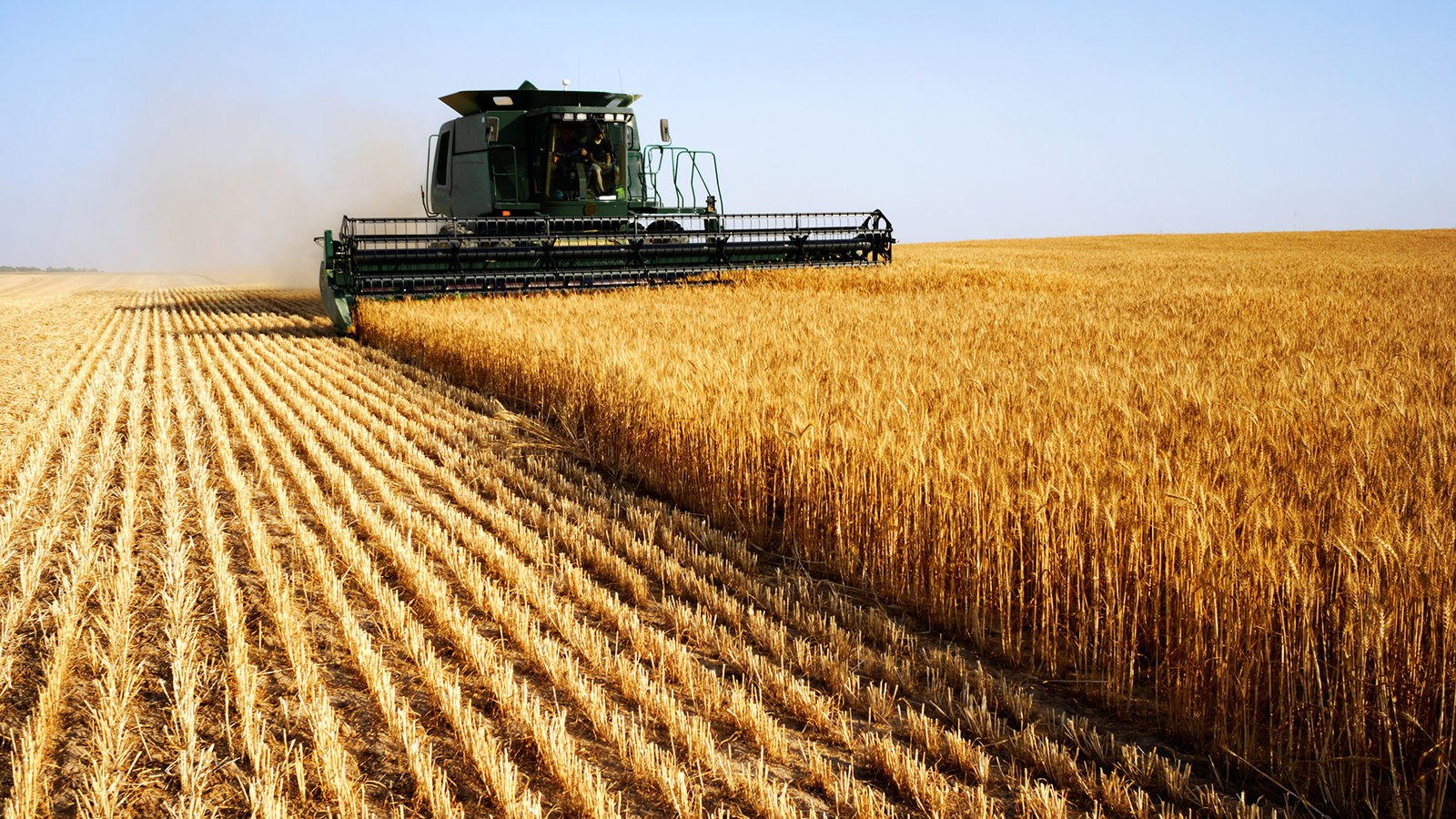
Wheat from Russia and Australia, rice from Thailand and Pakistan, sugar from Brazil and India, edible oils from Asia, and even apples from South Africa and Europe these imports fill Tanzanian markets despite the fact that local farmers are cultivating the very same crops.
Tanzania is blessed with vast arable land, favorable climates, and millions of hardworking farmers. From rice paddies in Mbeya and Morogoro, to maize fields in Dodoma, to sugarcane estates in Kagera and Kilombero, our country has the natural capacity to feed itself and even export surplus to regional markets. Yet, paradoxically, Tanzania still spends millions of dollars importing agricultural products that are also produced domestically.
Wheat from Russia and Australia, rice from Thailand and Pakistan, sugar from Brazil and India, edible oils from Asia, and even apples from South Africa and Europe these imports fill Tanzanian markets despite the fact that local farmers are cultivating the very same crops. Why does this happen, and more importantly, what can be done to change it?
Why Tanzania Imports Locally Produced Crops
Production Gaps and Seasonal Shortfalls
While Tanzania produces wheat, sugar, and rice, output does not meet the fast-growing population’s demand. For example, local sugar production meets only about 58% of national needs, and wheat imports cover over 90% of consumption.
Quality and Processing Challenges
Tanzanian crops often lack the processing and refining capacity needed to match consumer preferences. Wheat quality for industrial bread production, long-grain rice for urban consumers, or refined edible oil are examples where imports step in to meet expectations.
Infrastructure and Post-Harvest Losses
High losses occur after harvest due to poor storage, transport, and limited cold chain facilities. This means food rots before reaching markets, forcing imports to fill the gap.
Cost and Competitiveness
In some cases, global producers enjoy economies of scale that make imports cheaper than domestic supply. Fertilizer, irrigation, and energy costs in Tanzania raise production costs, reducing competitiveness.
Consumer Preferences
Urban households sometimes prefer “polished” or imported varieties, even when Tanzanian equivalents are available. Perceptions of quality drive demand for foreign products.
Recommendations for Change
To reverse this paradox and ensure that Tanzanian markets are dominated by Tanzanian products, all stakeholders must act boldly:
For Investors
Invest in processing plants: Milling, refining, and packaging facilities for rice, sugar, wheat, and edible oils will ensure Tanzanian products meet the standards consumers demand.
Support cold chain logistics: Refrigerated storage and distribution networks for fruits, vegetables, and fish can cut post-harvest losses.
Promote agro-industrial clusters: Partner with local farmers to create processing hubs near production zones, reducing transport costs.
For Government
Strengthen irrigation and mechanization: Provide incentives for irrigation schemes and modern farm equipment to boost productivity.
Review trade policies: Restrict non-essential imports during harvest seasons to protect local farmers, while ensuring price stability for consumers.
Invest in research and extension services: Support crop varieties that are resilient, high yielding, and suited to local conditions.
Public procurement of local food: Schools, hospitals, and the army should source directly from Tanzanian farmers to guarantee markets.
For Wealthy Tanzanians and Business Leaders
Champion agribusiness: Instead of importing finished goods, establish local production lines that transform raw crops into value-added products.
Finance farmer cooperatives: Provide access to affordable loans and inputs that smallholders cannot reach on their own.
For Consumers
Buy Tanzanian: Make conscious choices to support local rice, sugar, wheat flour, and fruits even when imports are available.
Shift perceptions: Value Tanzanian brands and celebrate “made in Tanzania” products as part of national pride.
The Way Forward
The fact that Tanzania imports what it can produce is not a sign of weakness it is a sign of untapped potential. With better coordination between the government, investors, business leaders, and ordinary citizens, Tanzania can close its production gaps, reduce its import bill, and become a true agricultural powerhouse in East Africa.
The solution lies not just in growing more food, but in growing smarter, processing better, and consuming proudly Tanzanian. The journey to food security and economic independence begins with recognizing that what we produce should not only feed us, but also drive our prosperity.
