

The Engine of Progress: Unlocking Tanzania’s Rural Development Potential
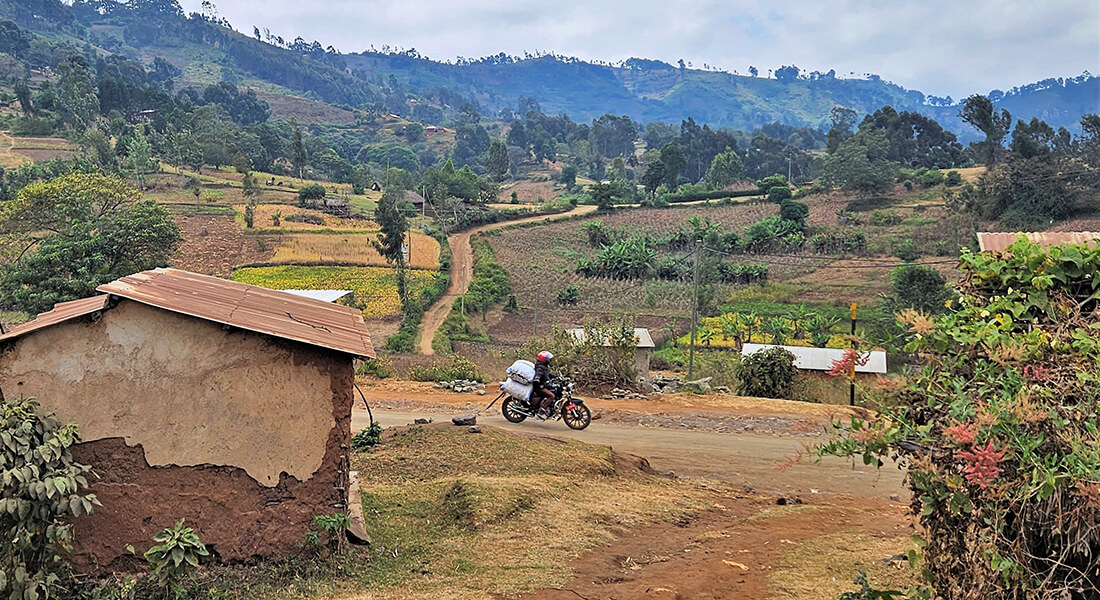
In Tanzania, where nearly 65% of the population lives in rural areas, the strength of national development depends on the well-being of its villages.
Rural development is more than just building roads and schools; it is about empowering people, unlocking opportunities, and transforming lives. It involves creating sustainable livelihoods, ensuring equitable access to resources, and integrating rural areas into national and global economies.
In Tanzania, where nearly 65% of the population lives in rural areas, the strength of national development depends on the well-being of its villages. These areas are home to the country’s food systems, cultural heritage, and workforce. Yet, they also face persistent challenges poor infrastructure, limited access to finance, inadequate healthcare, and low levels of education. Unlocking Tanzania’s rural potential, therefore, means tackling these structural barriers while building a foundation for long-term prosperity and self-reliance.
Infrastructure and Connectivity
Infrastructure remains the backbone of rural transformation. Villages connected by good roads, bridges, and communication networks gain access to markets, schools, health services, and digital opportunities. Over the past decade, the Tanzania Rural and Urban Roads Agency (TARURA) has significantly improved rural roads that link smallholder farmers to major towns and regional markets.
Improved road networks have shortened distances between farms and buyers, reduced post-harvest losses, and lowered transport costs. In regions such as Morogoro, Mbeya, and Tabora, better connectivity has enabled farmers to sell produce at competitive prices and attract investment in agro-processing industries.
Beyond roads, digital connectivity is vital. Mobile networks and internet access allow rural entrepreneurs to market products online, receive payments through mobile money, and access agricultural advice in real time. This digital transformation empowers farmers and youth-led enterprises to participate in Tanzania’s growing digital economy.
Infrastructure development also enhances tourism, education, and healthcare delivery. Villages near natural attractions like the Southern Highlands or Lake Victoria can attract eco-tourism investments, creating jobs, boosting income, and encouraging the preservation of local environments and traditions.
Agricultural Modernization
Agriculture is the lifeblood of rural Tanzania, employing over 70% of the rural population and contributing nearly a quarter of the national GDP. Yet, much of the sector remains underdeveloped, dominated by smallholder farmers using outdated tools and practices.
Modernizing agriculture involves transitioning from subsistence farming to agribusiness, from hand hoes to tractors, and from rain-fed farming to efficient irrigation systems. Initiatives like Building a Better Tomorrow (BBT) and the Agriculture Delivery Division (ADD) equip young people with skills, land, and access to credit to make farming profitable and technology-driven.
The government and private sector also promote high-value crops such as avocados, sunflower, horticultural produce, and spices that fetch higher market prices locally and abroad. Expanding storage facilities, cold chains, and rural processing centers ensures farmers earn more and waste less.
Climate-smart agriculture is gaining momentum. With unpredictable weather patterns threatening food security, farmers adopt drought-resistant seeds, water harvesting, and solar-powered irrigation. These innovations boost productivity, protect the environment, and build resilience against climate change.
Education and Health as Growth Catalysts
No rural community can develop sustainably without quality education and healthcare. Schools are the foundation for social mobility, and health services ensure a productive population.
Through government programs, access to secondary and vocational training has expanded. Rural youth can now learn technical, digital, and entrepreneurial skills, preparing them for jobs in agribusiness, renewable energy, and rural enterprises. Mobile classrooms and online learning platforms bridge the gap between urban and rural education.
Healthcare is equally critical. The Rural Electrification Agency (REA) has connected thousands of dispensaries and health centers to the national grid, enabling reliable lighting, refrigeration for vaccines, and better working conditions for medical staff. Improved healthcare translates into healthier families, reduced maternal and child mortality, and a workforce capable of driving local productivity.
Programs in Kigoma and Lindi combine traditional medicine knowledge with modern healthcare systems, ensuring inclusive health coverage even in remote villages.
Environmental Sustainability and Innovation
For rural development to be truly transformative, it must be sustainable. Environmental degradation, deforestation, and soil erosion threaten agricultural productivity and water resources.
Communities now embrace renewable energy such as solar mini-grids for lighting and small-scale processing. Farmers plant trees through community forestry programs and adopt eco-friendly farming techniques to restore degraded land. The use of biogas systems and organic fertilizers reduces reliance on firewood and chemical inputs.
These innovations protect the environment while lowering household costs, making sustainability both an ecological and economic advantage.
Outlook for Tanzania’s Rural Development
Looking ahead, Tanzania’s rural development trajectory is promising but requires strategic investment and inclusive policies. Key focus areas include:
- Expanding rural electrification to 100% coverage by 2035, enabling businesses, education, and healthcare.
- Scaling climate-smart agriculture, particularly drought-resistant crops and irrigation technologies.
- Leveraging digital platforms for rural entrepreneurship, e-commerce, and financial inclusion.
- Encouraging youth and women’s participation in agribusiness, renewable energy, and rural enterprises.
- Strengthening public-private partnerships for sustainable infrastructure, agro-processing, and eco-tourism projects.
By addressing these areas, Tanzania can achieve inclusive growth, food security, and industrialization while ensuring rural communities are resilient and self-reliant.
Conclusion
True rural development lies in empowering people with infrastructure, knowledge, and opportunities. When a road is built, a child reaches school; when electricity arrives, a business is born; when farmers learn modern techniques, an entire community prospers.
Tanzania’s rural areas hold the keys to inclusive growth, industrialization, and food security. Investing in them means investing in the nation’s future. From the farms of Njombe to the fishing communities of Mwanza, every village contributes to Tanzania’s journey toward a modern, self-reliant, and prosperous economy.
