
Regions
23 September 2026
If Ethiopia Wants Unhindered Access To The Sea, Why Doesn't It Join The East African Community?
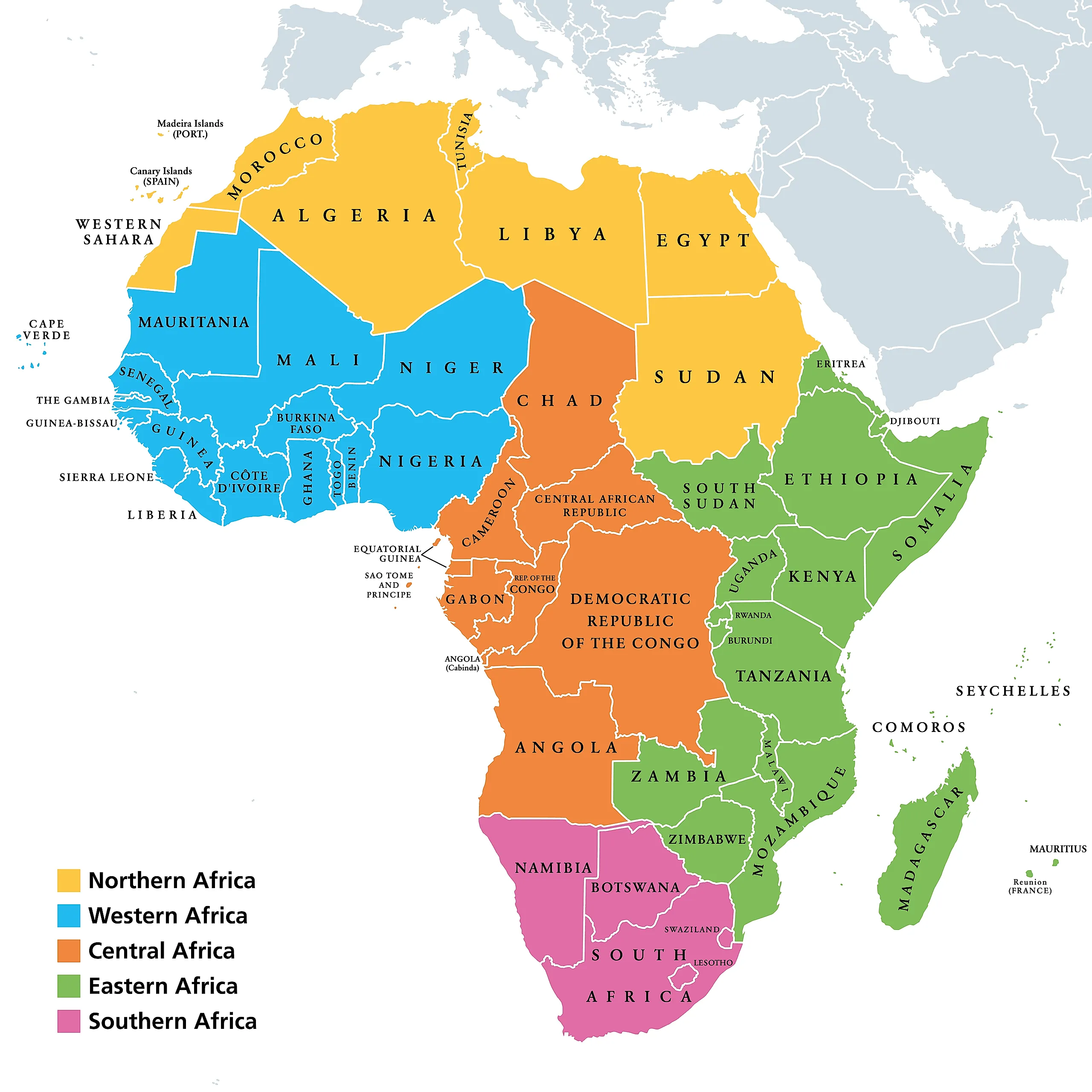
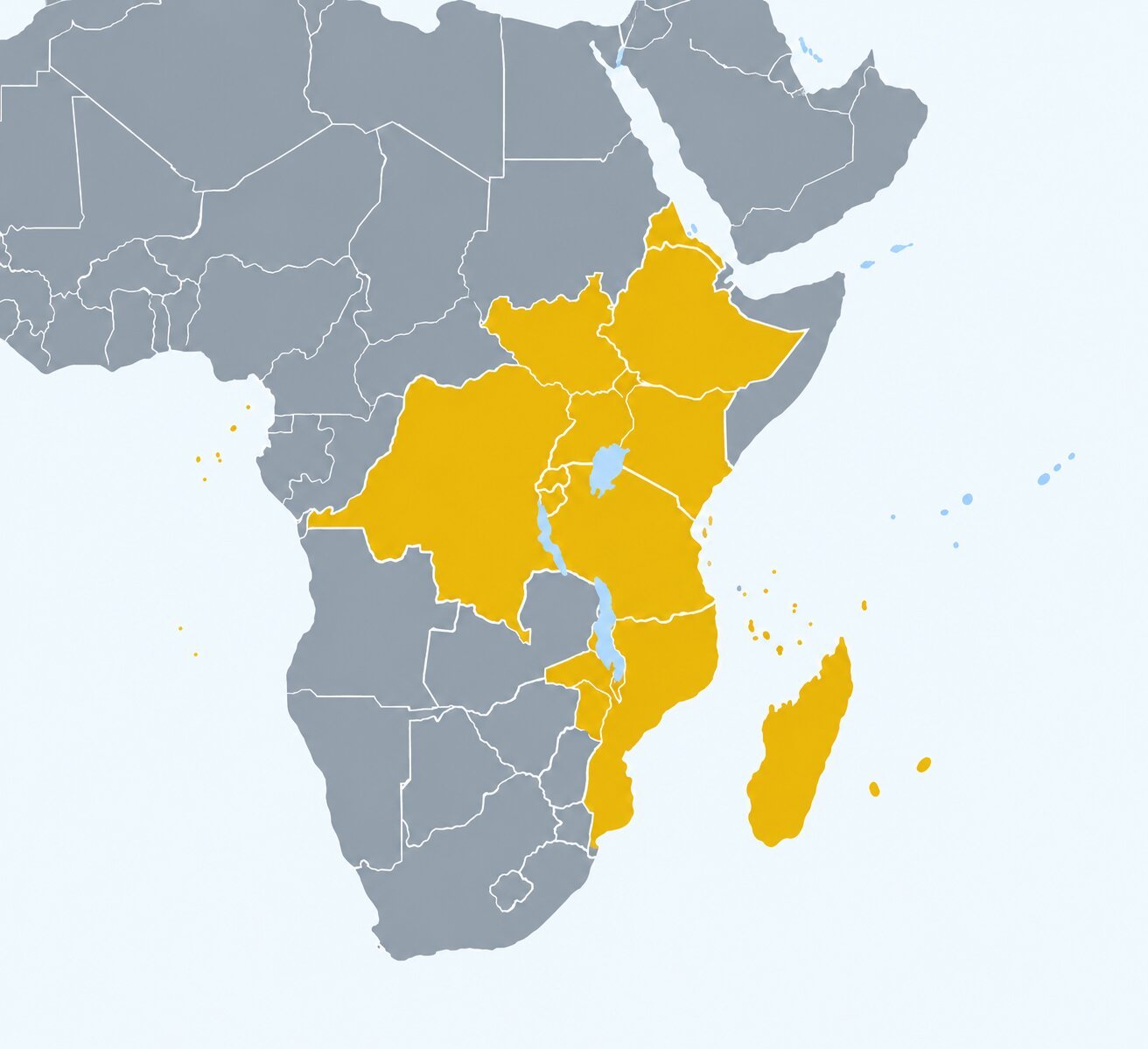
Ethiopia is landlocked, surrounded by countries with access to the Red Sea and Indian Ocean, and it wants reliable maritime access, diversified trade corridors and greater strategic influence over the routes connecting its economy to global markets. Addis Ababa is already pursuing this bilaterally, through a Somaliland memorandum, port equity stakes, and a rejected offer on Djibouti's Port of Tadjoura, and Ethiopian officials are now explicitly framing sea access using the exact language of regional integration. But there is another option Addis Ababa rarely discusses with the seriousness it deserves: actually joining the East African Community.