
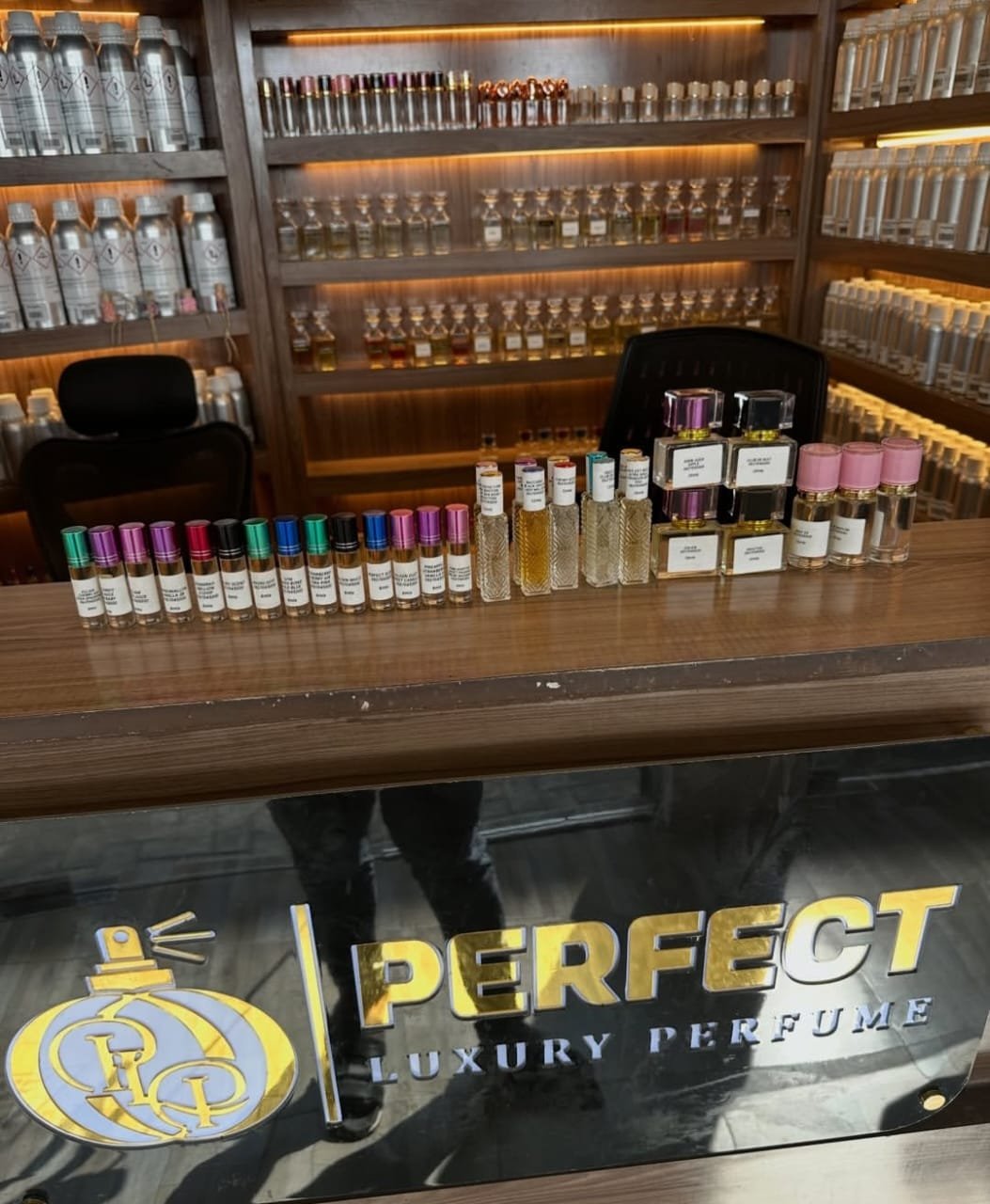



The cosmetics and perfume industry in Tanzania is rapidly evolving, driven by urbanization, social media influence, and rising demand for personal grooming products. However, increased competition and stricter regulatory standards mean that success now depends on more than just selling products. Entrepreneurs must focus on branding, financial discipline, legal compliance, and strategic market positioning. This article explores how to build a scalable and sustainable cosmetics and perfume business in Tanzania in 2026, moving from simple trading to long-term brand ownership and market leadership.
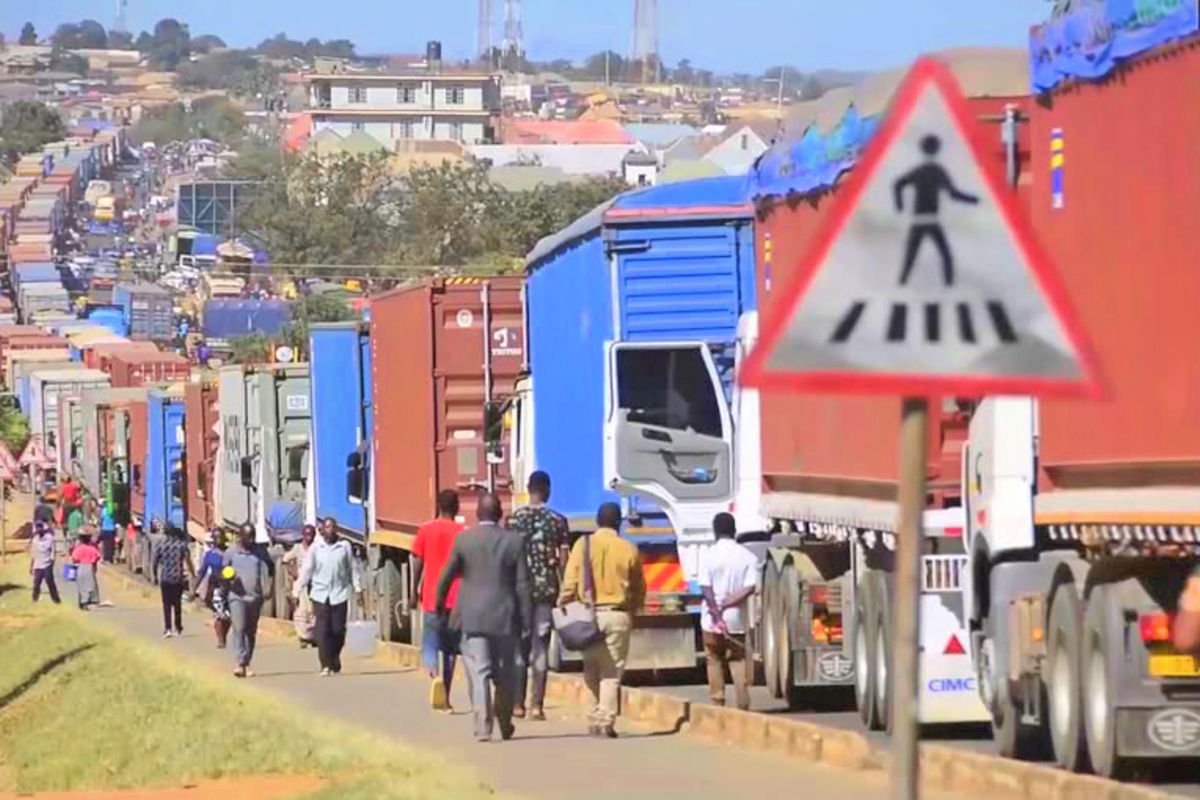
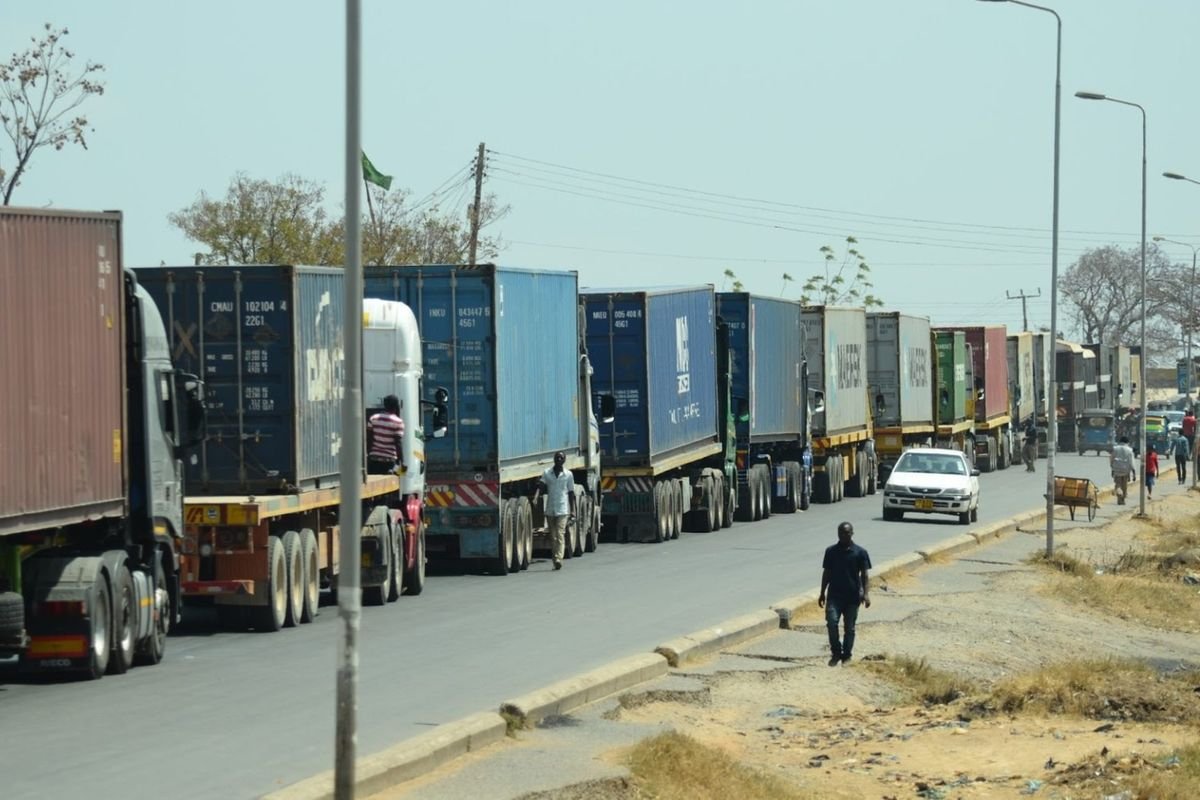
Tunduma border delays remain one of the biggest bottlenecks in East African trade, affecting Tanzania’s transit competitiveness along the Dar es Salaam corridor. This policy analysis explores strategic solutions including Songwe dry ports, Isongole–Ileje border expansion, and digital customs integration to reduce clearance time, increase cargo flow, and position Tanzania as a leading logistics hub in Sub-Saharan Africa.
Analysts argue that Tanzania does not lack capacity or technology; it lacks disciplined systems and coordinated operations. Digital tools and policy interventions exist, but their effectiveness is limited when operational execution is inconsistent. A transport system that is technically capable but operationally lax cannot prevent billions in losses. This diagnosis parallels institutional analyses in other sectors: systems alone do not generate efficiency. Execution discipline, data-driven management, and accountability at every operational touchpoint are the conversion factors that determine whether infrastructure investments yield economic benefits.
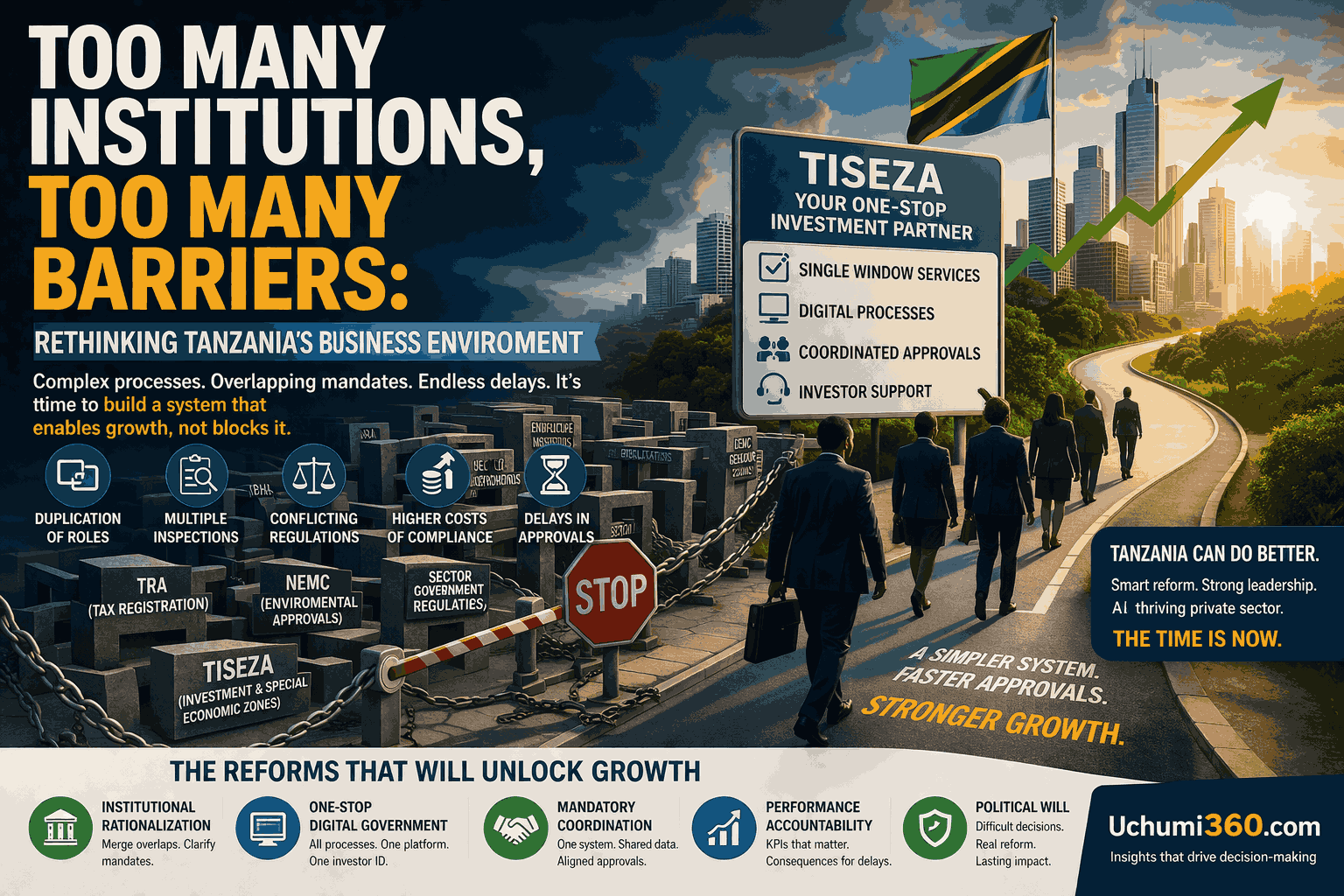
Recently, remarks by Profesa Kitila Mkumbo brought renewed attention to a long-standing structural problem: the country’s regulatory environment is dense, fragmented, and often uncoordinated. Investors are not only evaluating Tanzania’s opportunities they are also calculating the cost of navigating its institutions. That cost is rising.
Misconceptions about PAYEE are that some employees believe that their employer is the one paying the tax, when in reality the employer is simply acting as a collection agent.
The role of the state is not to dominate economic activity, but to guide it with clarity and precision. While the private sector is the engine of growth, it must evolve to meet the demands of a transforming economy.
As Tanzania pursues its ambition of building a large and competitive economy, the health sector will play a decisive role in shaping the country’s future. A strong healthcare system improves human capital, enhances productivity, and protects economic stability during crises.
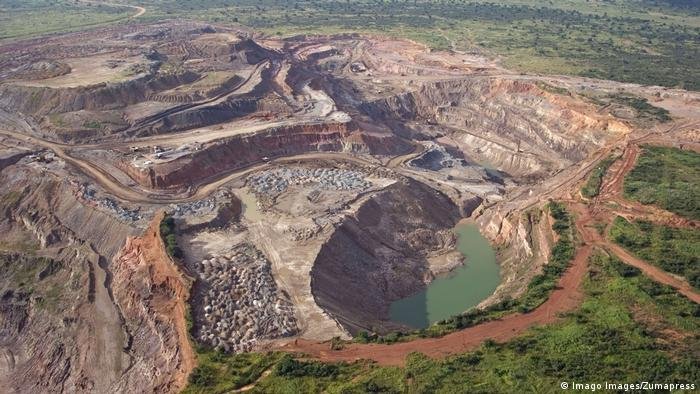
Over the past two decades, mining has contributed significantly to Tanzania’s foreign exchange earnings and government revenue. The country has also emerged as one of Africa’s leading gold producers, largely driven by large-scale mining operations from companies such as Barrick Gold through its partnership with Twiga Minerals Corporation.
Continued reforms in regulation, taxation, infrastructure, and financial access are necessary to unlock the country’s economic potential fully.
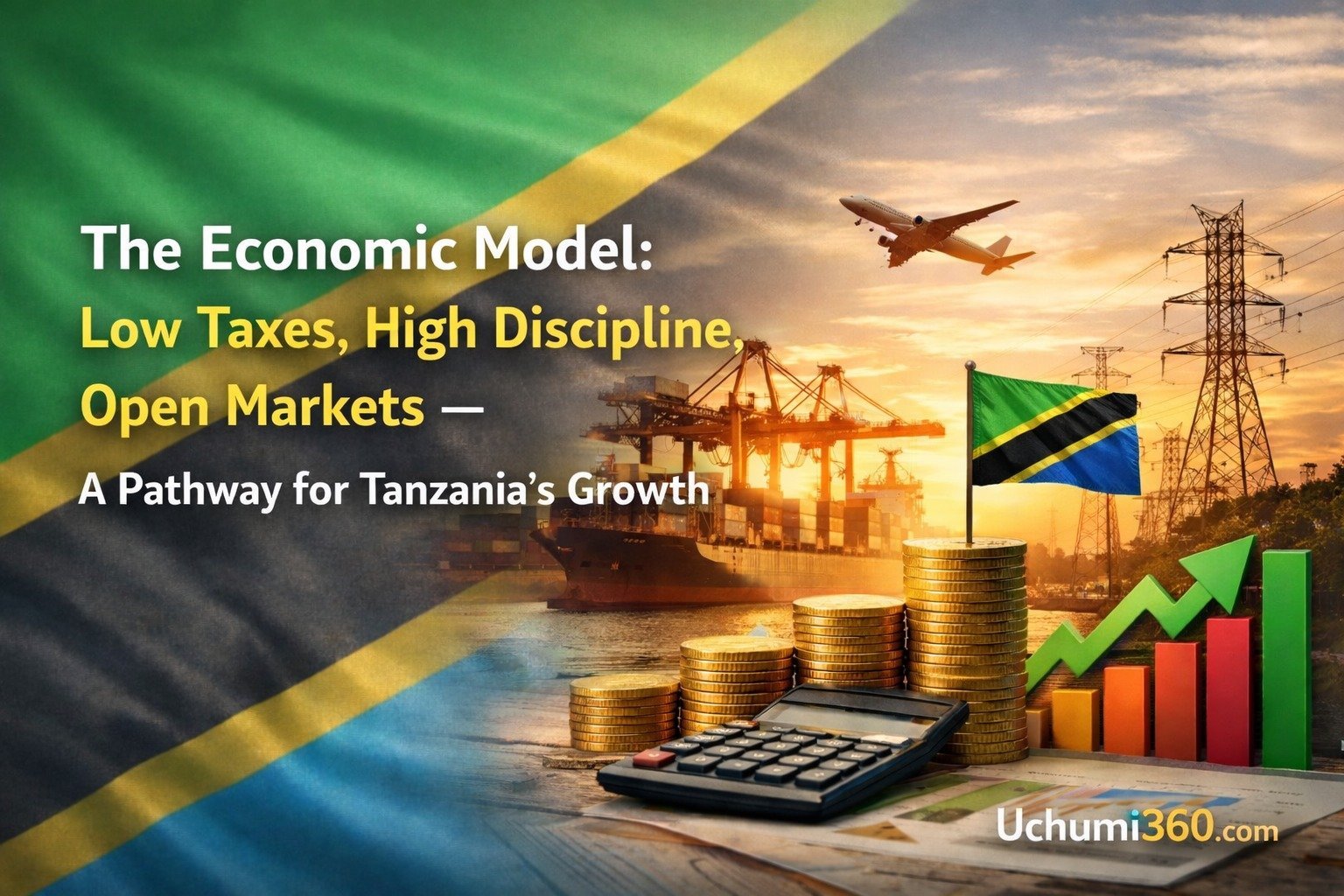
Adopting a balanced economic model based on low taxes, fiscal discipline, and open markets could significantly strengthen Tanzania’s position in the global economy.
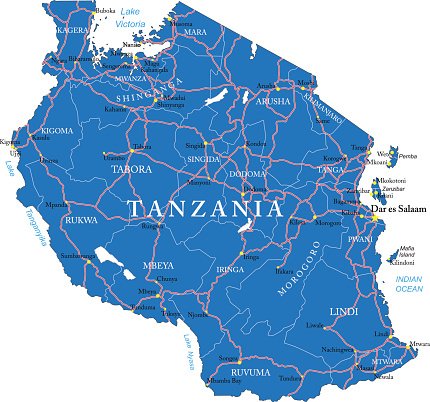
Major cities such as Dar es Salaam, Dodoma, and Arusha are emerging as economic hubs where investment opportunities continue to expand. Government investments in infrastructure including railways, ports, and energy are also opening new opportunities for entrepreneurs and investors.
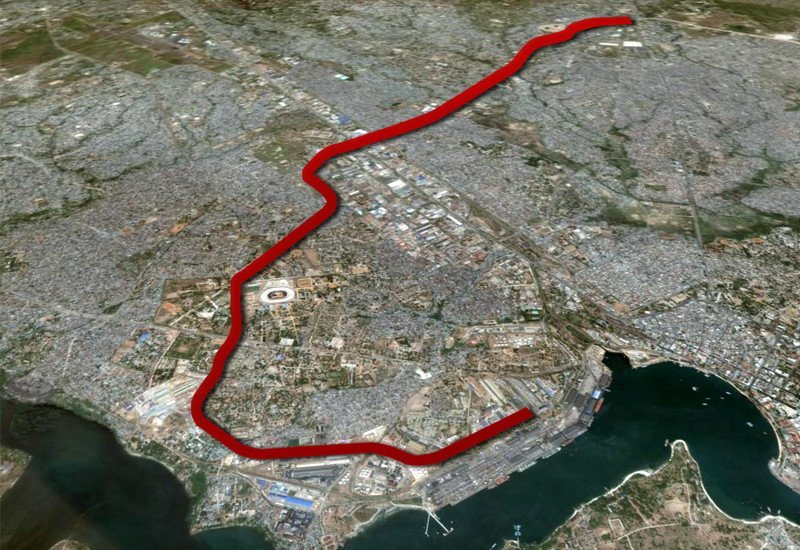
The widening of Mandela Road may appear to be a local infrastructure project, but its economic significance is national and regional. By reducing congestion, improving cargo movement, and strengthening the logistics corridor linking the port to inland markets, Tanzania is reinforcing its position as a key gateway for trade in East and Central Africa.