Author: Emanuel Nyangwe
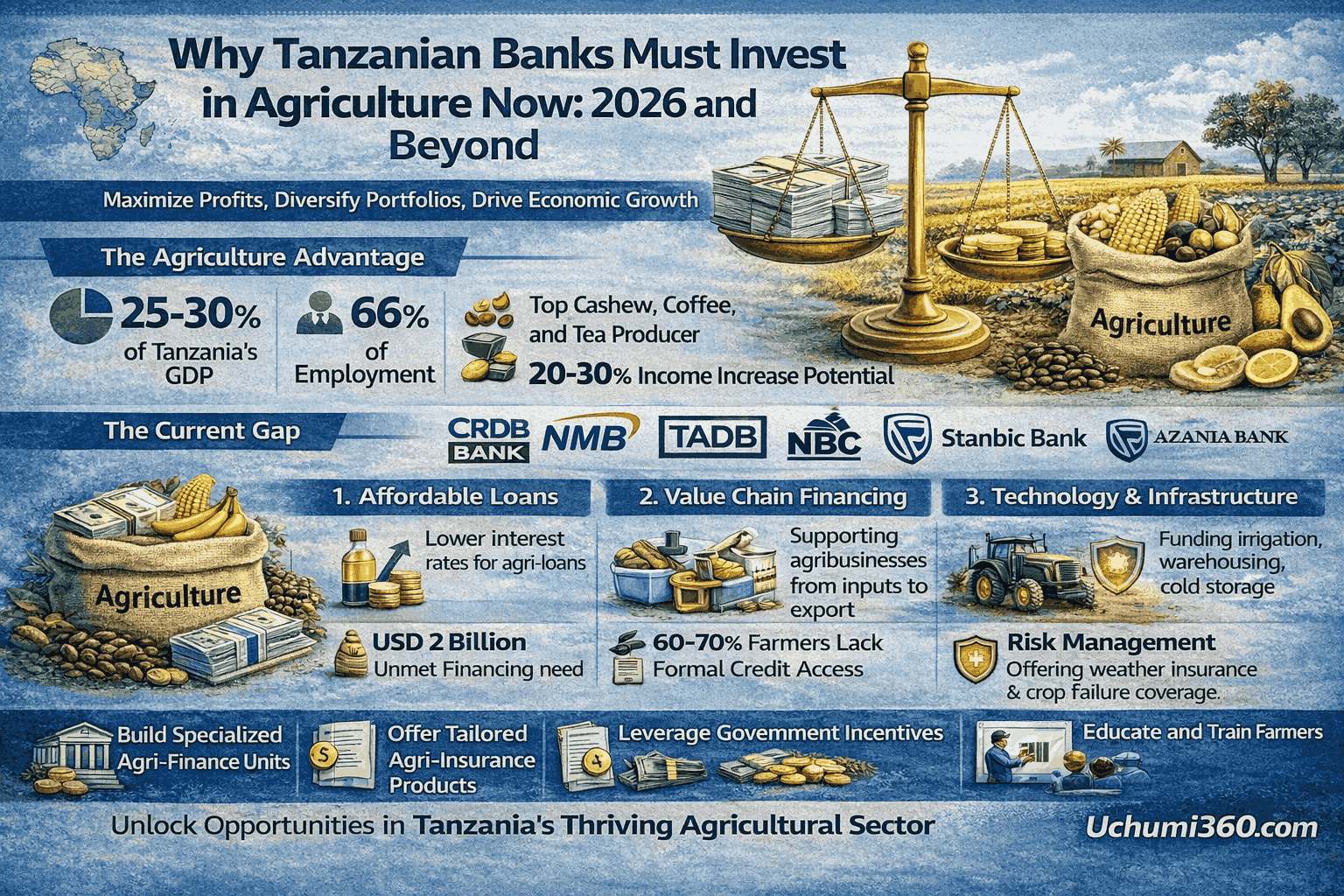
Why Tanzanian Banks Must Invest in Agriculture Now: A 2026 and Beyond
For forward-looking banks, agriculture is no longer a risky sideline it is a strategic growth frontier, capable of delivering financial, social, and policy-aligned returns simultaneously.
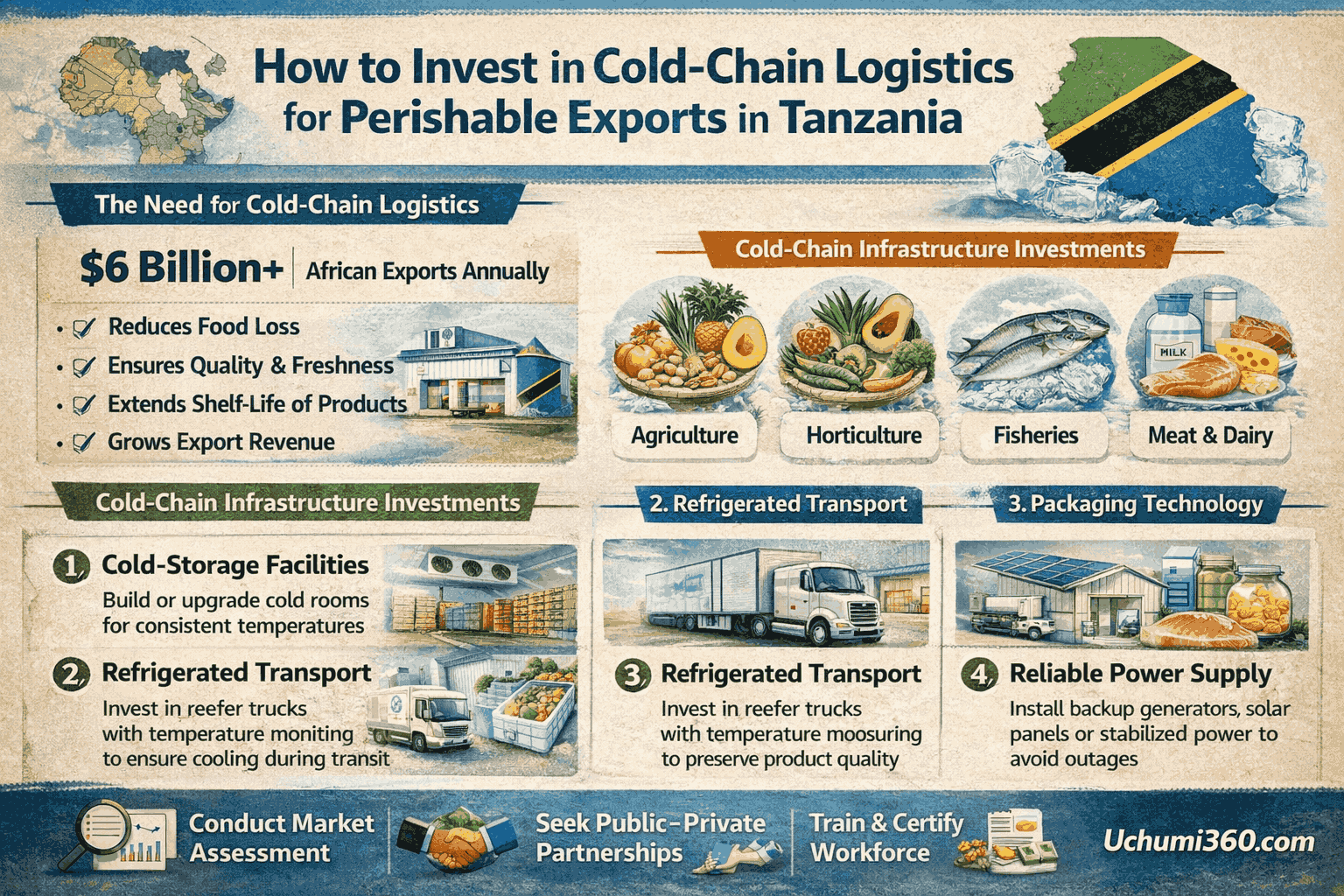
How to Invest in Cold-Chain Logistics for Perishable Exports in Tanzania
Cold-chain logistics is emerging as a critical enabler of Tanzania’s export competitiveness. With rising regional and international demand, investment in temperature-controlled storage, refrigerated transport, and pack-house facilities is becoming both commercially viable and strategically necessary.
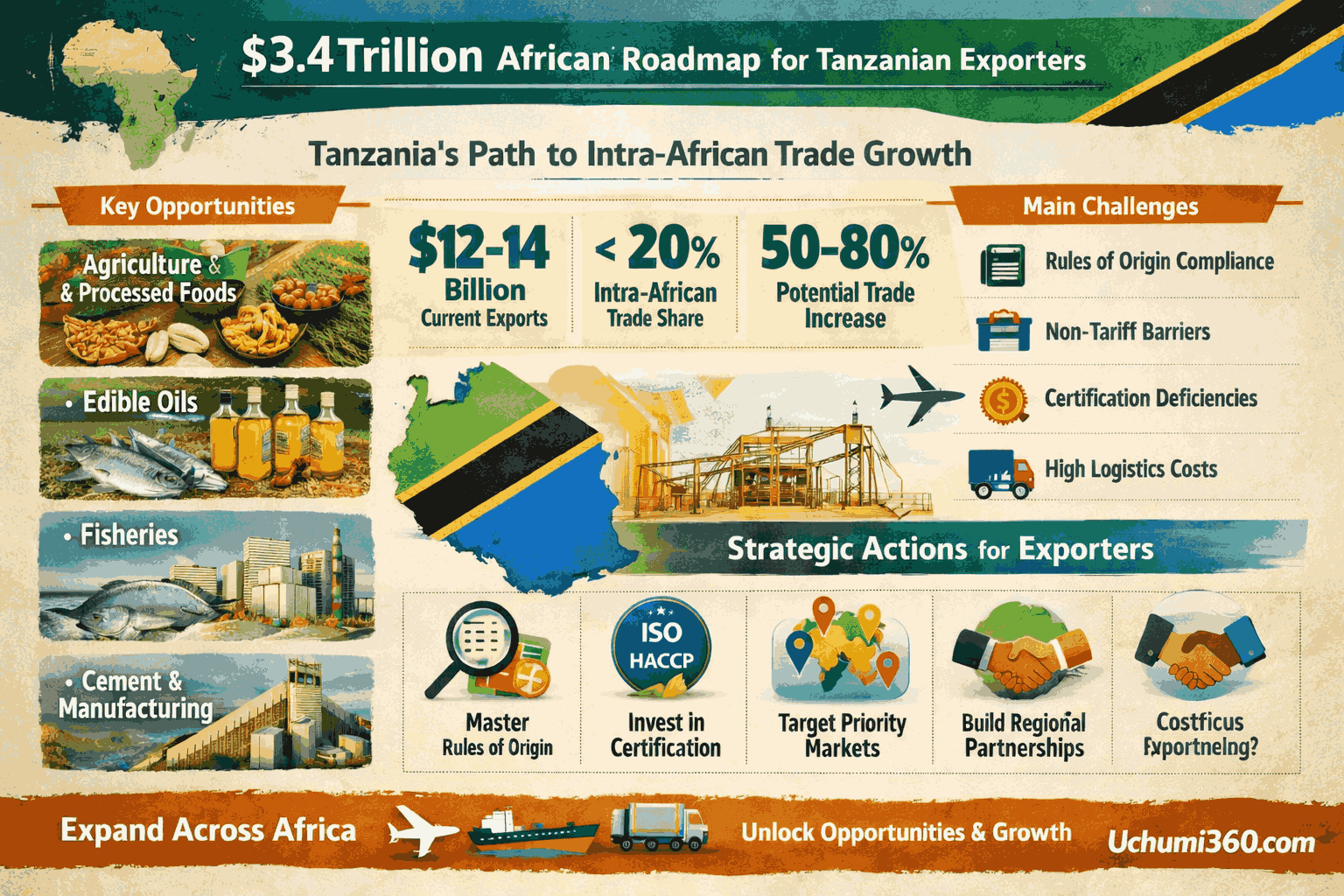
AfCFTA in Practice: A Strategic Roadmap for Tanzanian Exporters
For Tanzania, it opens access to a combined African market of over 1.3 billion people with a collective GDP exceeding USD 3.4 trillion. By progressively eliminating tariffs on 90% of goods traded within Africa, AfCFTA has the potential to increase intra-African trade by an estimated 50–80% over the next decade.
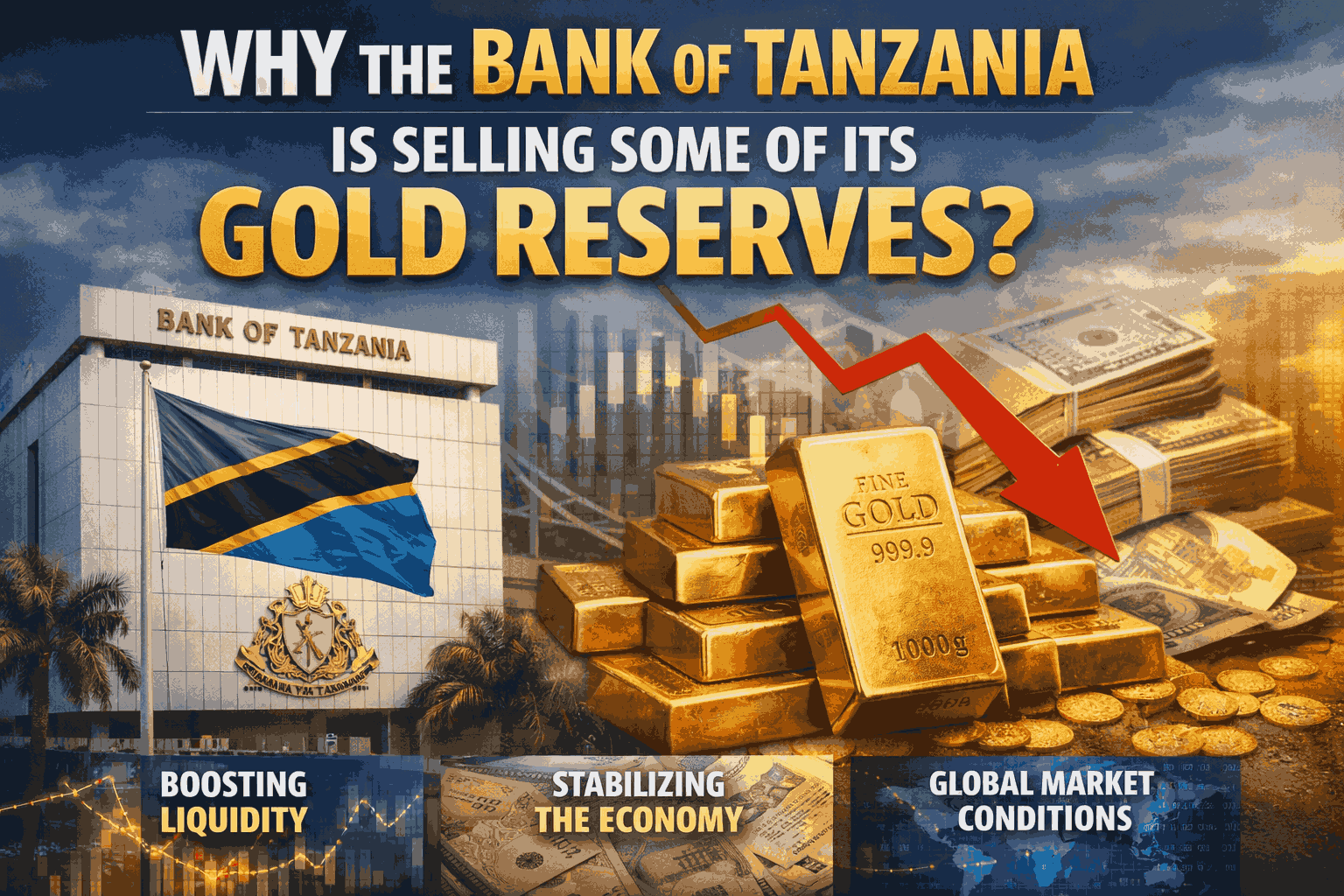
Why the Bank of Tanzania Is Selling Some of Its Gold Reserves?
Global gold prices have climbed sharply in recent months, making gold a potentially lucrative asset to monetise, especially when holdings exceed planned strategic thresholds.
Commercialization vs Privatization: What Works Best?
Commercialization and privatization are tools, not goals in themselves. What works best for Tanzania is a context-specific, evidence-based approach choosing the model that maximizes public value, strengthens accountability, and supports long-term economic development rather than ideological preferences.
External Debt vs Domestic Debt: Which Is Riskier to Tanzania’s Economy?
Excessive dependence on either external or domestic debt concentrates risk.
Are We Using Tanzanian Ports Wisely?
Tanzania’s ports offer enormous potential to position the country as a regional logistics hub and trade gateway.
Why GDP Rebasing Changes Economic Narratives
GDP rebasing may appear technical, but its implications are far-reaching. It reshapes how the economy is understood, how policies are designed, and how Tanzania is perceived by investors and partners.
Mapping Winners and Losers in Policy Decisions
Policy decisions inevitably create winners and losers. In Tanzania, adopting a structured approach mapping distributional impacts, designing compensatory mechanisms, and engaging affected groups improves equity, legitimacy, and sustainability.
Evidence-Based Policy: Why It Matters More Than Politics
Evidence-based policy strengthens efficiency, credibility, and measurable outcomes. In Tanzania, shifting from politics-driven to data-driven decision-making is essential to ensure that resources are allocated where they deliver the highest social and economic returns.
Is Tanzania Over-Regulated or Under-Enforced?
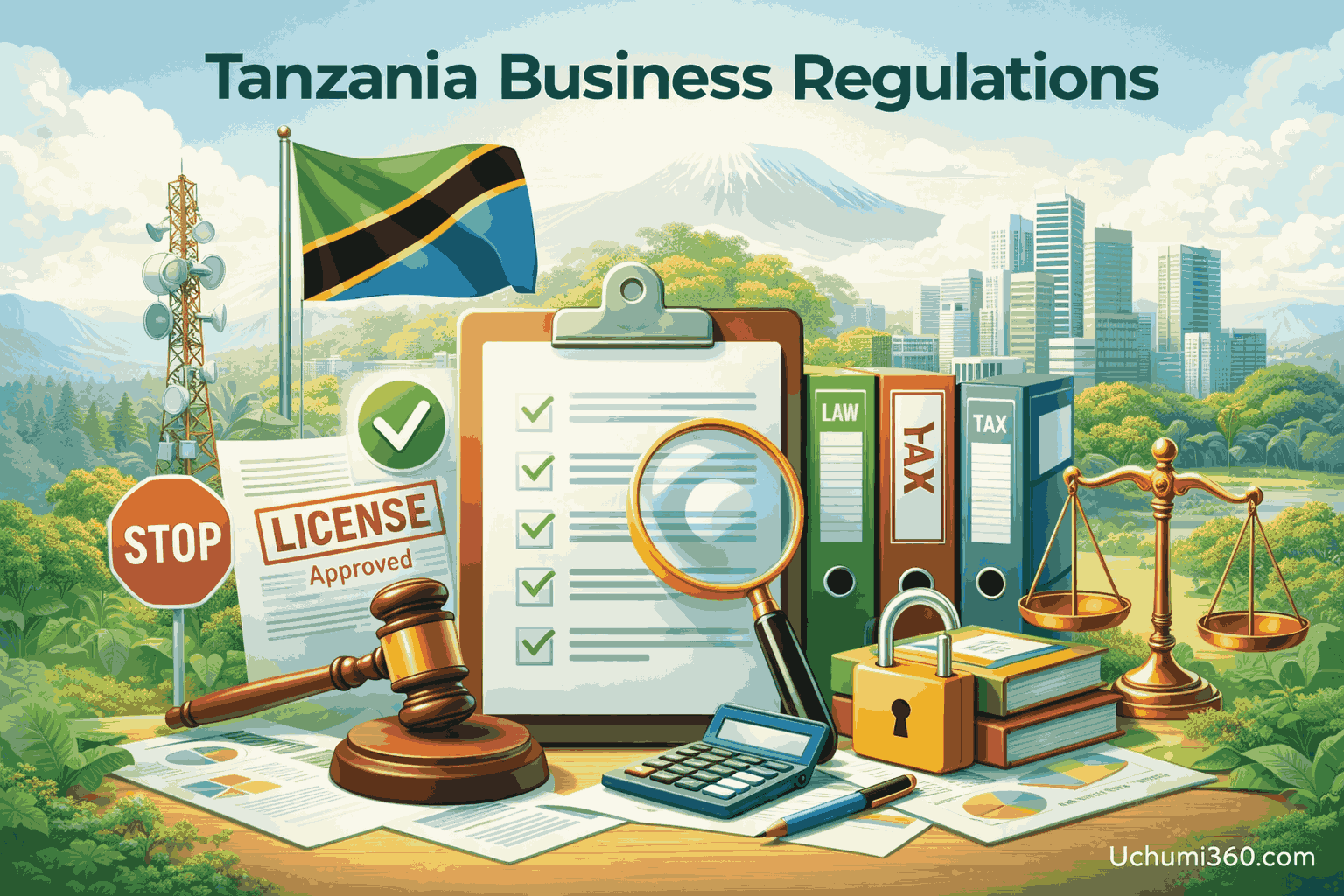
Tanzania is not simply over-regulated; the real challenge is uneven enforcement. Excessive rules combined with weak monitoring undermine business confidence, encourage informality, and reduce public welfare. Effective reform should focus on regulatory simplification, digitalization, capacity building, and consistent enforcement, creating an environment where rules protect society and businesses alike, fostering sustainable economic growth.