
Are We Using Tanzanian Ports Wisely?
Ready
Tanzania’s ports offer enormous potential to position the country as a regional logistics hub and trade gateway.
Ports Are Strategic Economic Infrastructure, Not Just Entry Points
Ports are more than physical gateways for imports and exports; they are central nodes in global and regional value chains. Efficient ports reduce trade costs, attract investment, and support industrialization. For Tanzania, ports are critical not only for domestic trade but also for serving landlocked neighbors that depend on reliable access to the sea.
Tanzania’s Geographic Position Offers a Natural Competitive Advantage
Tanzania’s coastline and proximity to landlocked countries such as Zambia, Rwanda, Burundi, Uganda, Malawi, and the Democratic Republic of Congo give its ports significant strategic value. Dar es Salaam, Tanga, and Mtwara are well positioned to serve regional markets. In theory, this geography should make Tanzania a preferred logistics gateway in East and Central Africa.
Dar es Salaam Port Dominates but Faces Structural Pressure
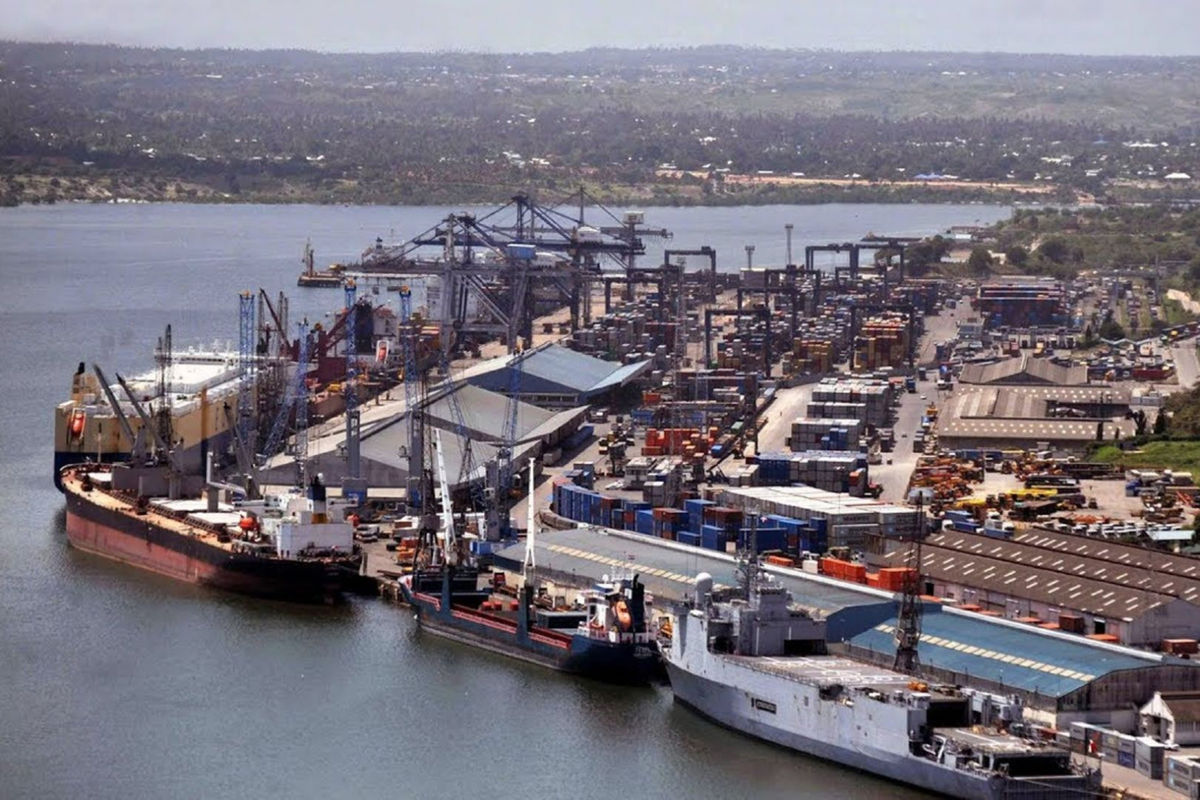
Dar es Salaam Port handles the majority of Tanzania’s maritime trade and a substantial share of transit cargo for neighboring countries. However, high cargo volumes place constant pressure on infrastructure and systems. Congestion, vessel waiting times, and yard capacity constraints can erode efficiency gains and increase costs for traders and shipping lines.
Operational Delays Reduce Port Competitiveness
Long cargo dwell times, administrative bottlenecks, and coordination challenges among port stakeholders weaken Tanzania’s competitiveness. Even modest delays translate into higher logistics costs, which are ultimately passed on to consumers and exporters. In regional trade, speed and predictability matter as much as tariffs.
Hinterland Connectivity Determines Port Effectiveness
A port’s performance is only as strong as its connections to the interior. Weak road and rail linkages limit the ability of Tanzanian ports to move cargo efficiently to and from landlocked countries. While investments in standard gauge railway (SGR) and road upgrades show progress, gaps in last-mile connectivity and intermodal coordination remain a constraint.
Regional Competition Is Intensifying
Tanzania does not operate in isolation. Ports in Mombasa, Beira, Nacala, and Maputo actively compete for the same transit cargo. Improvements in efficiency, pricing, and corridor management in neighbouring countries put pressure on Tanzanian ports to continuously upgrade. Transit countries will choose routes that minimize cost, time, and uncertainty regardless of historical ties.
Digital Systems Are Central to Modern Port Efficiency
Port community systems, electronic single windows, and cargo tracking platforms can significantly reduce clearance times and corruption risks. While Tanzania has made progress in digitalization, inconsistent system integration and limited user adoption can dilute impact. Digital efficiency must extend beyond the port gate to customs, shipping agents, and inland transport.
Private Sector Participation Can Improve Performance
Globally, private sector involvement in port operations has improved efficiency through investment, innovation, and performance-based management. Carefully structured public–private partnerships can enhance service quality while maintaining public oversight. The key is transparent contracts, clear accountability, and alignment with national trade objectives.
Tariff Transparency and Predictability Influence Port Choice
Users of port services value predictable and competitive pricing. Complex or opaque tariff structures increase uncertainty and discourage transit traffic. Clear pricing, reduced discretionary charges, and streamlined payment systems can improve trust and attract long-term users, especially from landlocked countries with alternative route options.
Ports Must Align With Industrial and Trade Policy
Ports should not function in isolation from industrial policy. Special economic zones, export processing zones, and industrial parks depend on efficient maritime logistics. Without alignment, port investments may fail to generate broader economic spillovers such as manufacturing growth, job creation, and export diversification.
Environmental and Sustainability Considerations Are Rising
Modern ports increasingly face pressure to reduce emissions, manage waste, and adopt green technologies. As global shipping standards evolve, ports that fail to adapt risk becoming less attractive to international shipping lines. Sustainable port development is becoming a competitiveness issue, not just an environmental one.
Governance and Coordination Shape Outcomes
Effective port utilization depends on coordination among port authorities, customs, transport agencies, security services, and the private sector. Fragmented decision-making increases delays and inefficiencies. Clear governance frameworks and performance benchmarks are essential for continuous improvement.
Bottom Line: Strategic Assets Require Strategic Management
Tanzania’s ports offer enormous potential to position the country as a regional logistics hub and trade gateway. Geography provides an advantage, but efficiency, connectivity, and governance determine outcomes. Using ports wisely means treating them as strategic economic assets, not just infrastructure, and aligning operations with regional competition, industrial goals, and modern logistics standards.
 Uchumi360
Business Intelligence
Uchumi360
Business Intelligence
Uchumi360 covers business, investment, and economic policy across East, Central, and Southern Africa.
For the serious reader
You read to the end. That places you in a small group.
Uchumi360 is built for readers who demand precision over speed, structure over sentiment, and analysis that holds uncomfortable conclusions rather than softening them. If this work sharpens how you think about Africa's economy, help us keep building the infrastructure behind it.
Institutional Partners
Commission intelligence. Shape the conversation.
Uchumi360 works with development finance institutions, investment firms, sovereign bodies, and strategic organisations across the coverage region. Institutional partnership unlocks:
- Commissioned sector and country intelligence reports
- Branded research series under your institution's authority
- Exclusive data briefings for internal strategy teams
- Speaking and editorial presence at Uchumi360 events
- Co-published investment outlooks for your markets
Support Our Work
Independent analysis has a cost. Help us bear it.
Uchumi360 does not carry advertising. It does not take editorial direction from sponsors. Every article is produced without commercial compromise. Your contribution funds the reporting, research, and editorial infrastructure that keeps this analysis free from influence.
Secure checkout: One-time and monthly support are processed securely. Add payment credentials to enable checkout here.
Stay Connected
Keep up with every new insight.
Follow our latest analysis, policy coverage, and market intelligence as soon as it is published. If you need something specific, reach out directly and we will point you to the right research.
