
Is Tanzania Over-Regulated or Under-Enforced?
Ready
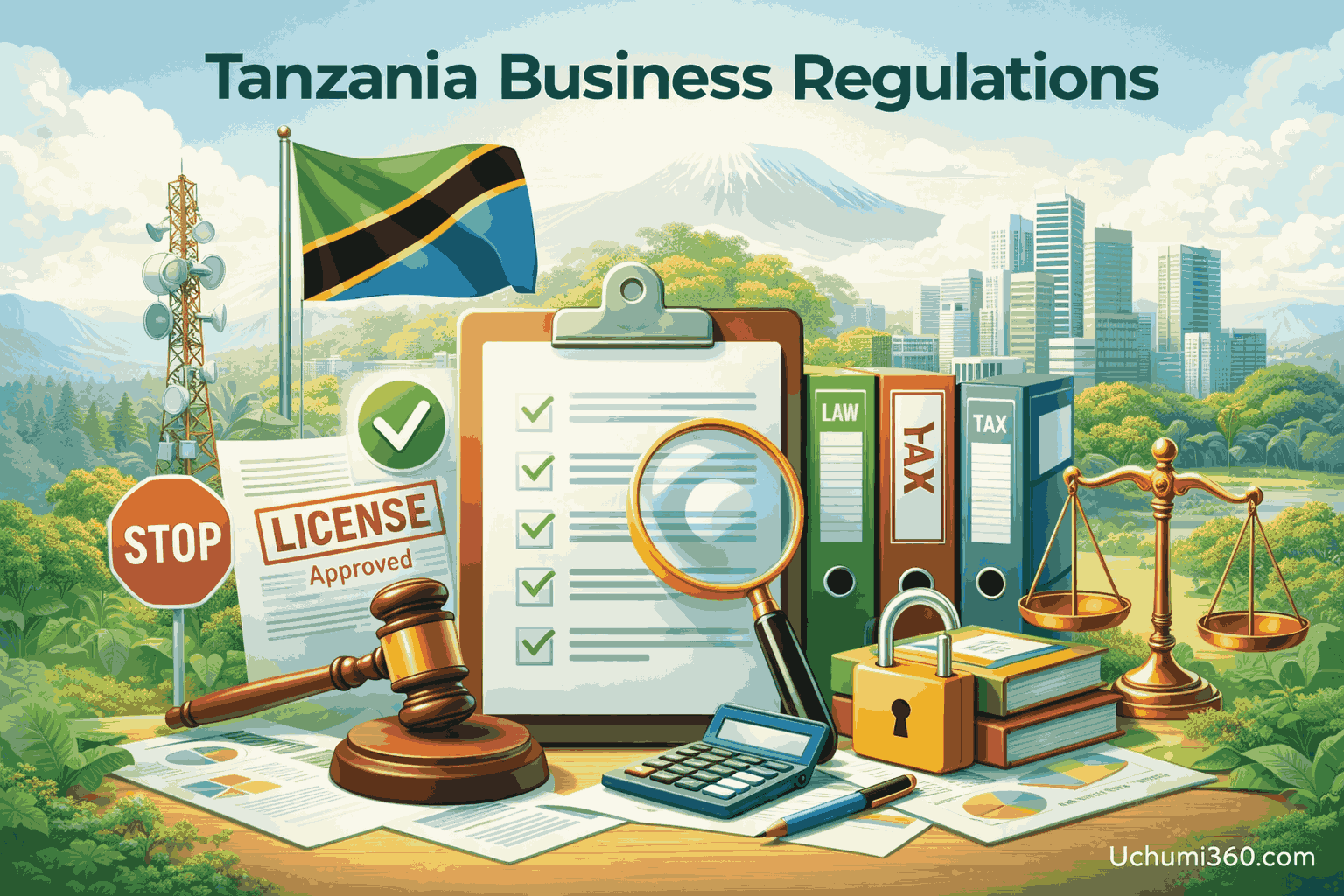
Tanzania is not simply over-regulated; the real challenge is uneven enforcement. Excessive rules combined with weak monitoring undermine business confidence, encourage informality, and reduce public welfare. Effective reform should focus on regulatory simplification, digitalization, capacity building, and consistent enforcement, creating an environment where rules protect society and businesses alike, fostering sustainable economic growth.
Regulation Is Essential for Markets and Society
Regulation plays a vital role in protecting consumers, ensuring quality, and maintaining market fairness. Standards in food, pharmaceuticals, energy, and financial services safeguard public welfare, build trust, and create predictable markets. In principle, rules are intended to create a level playing field where businesses can compete fairly and society is protected from exploitation or unsafe practices.
Many Tanzanian Firms Perceive Over-Regulation
Businesses often complain about the regulatory environment, citing multiple licenses, overlapping authorities, and complex compliance procedures. Small and medium enterprises (SMEs) in particular face high costs and bureaucratic delays that reduce competitiveness. For example, obtaining permits for trade, construction, or transport can require navigating several agencies, creating frustration, inefficiency, and opportunities for rent-seeking.
Weak Enforcement Is Often the Real Problem
A closer look reveals that regulations in Tanzania are often strong on paper but weak in implementation. Environmental standards, occupational safety rules, and product quality regulations are inconsistently applied. Some firms flout rules without consequence, while compliant businesses bear the cost of strict adherence. This inconsistent enforcement creates gaps that undermine the intent of regulations.
The Regulatory Paradox: Too Many Rules, Too Little Enforcement
The combination of complex regulation and weak enforcement creates a damaging paradox. Businesses that comply face higher costs, delays, and scrutiny, while non-compliant actors operate with relative impunity. This environment encourages informal business activity, regulatory capture, and corruption risks, eroding public trust and discouraging investment in formal sectors.
Impact on Business Confidence and Economic Growth
Excessive or poorly enforced regulation reduces business confidence and predictability. Investors are often deterred by bureaucratic hurdles and opaque enforcement practices. SMEs, which are critical for job creation and economic diversification, may remain informal or avoid expansion. Over time, the economy loses potential revenue, innovation slows, and opportunities for formal employment are constrained.
International Comparisons Show the Balance Matters
Countries that successfully attract investment and foster entrepreneurship do not eliminate regulation; they enforce it efficiently and transparently. Digitized compliance systems, clear licensing requirements, and well-resourced inspection authorities ensure that rules protect society without imposing unnecessary burdens on compliant businesses. In contrast, systems that are rule-heavy but enforcement-light create friction and inefficiency.
Regulatory Simplification Can Reduce Costs
One solution is streamlining procedures. Consolidating overlapping licenses, clarifying responsibilities, and removing redundant approvals can reduce administrative burdens. Digital platforms for permits, inspections, and reporting not only save time but also enhance transparency, limit opportunities for rent-seeking, and increase adherence.
Strengthening Enforcement Enhances Fairness
Simplification alone is insufficient without consistent enforcement. Clear enforcement responsibilities, adequately trained inspectors, and measurable performance standards ensure that regulations protect society while holding violators accountable. Enforcement should also be predictable and fair, minimizing discretionary decision-making that can distort markets.
Policy Implications: Coordination and Capacity Are Key
Addressing over-regulation and under-enforcement requires a coordinated approach. Ministries and agencies must align rules, share information, and avoid duplication. Building institutional capacity, investing in compliance monitoring systems, and engaging with business associations can foster trust and improve compliance. A culture of “smart regulation”where rules are clear, enforcement is consistent, and businesses are partners rather than adversaries, is essential.
Bottom Line: The Challenge Is Inconsistent Enforcement
Tanzania is not simply over-regulated; the real challenge is uneven enforcement. Excessive rules combined with weak monitoring undermine business confidence, encourage informality, and reduce public welfare. Effective reform should focus on regulatory simplification, digitalization, capacity building, and consistent enforcement, creating an environment where rules protect society and businesses alike, fostering sustainable economic growth.
 Uchumi360
Business Intelligence
Uchumi360
Business Intelligence
Uchumi360 covers business, investment, and economic policy across East, Central, and Southern Africa.
For the serious reader
You read to the end. That places you in a small group.
Uchumi360 is built for readers who demand precision over speed, structure over sentiment, and analysis that holds uncomfortable conclusions rather than softening them. If this work sharpens how you think about Africa's economy, help us keep building the infrastructure behind it.
Institutional Partners
Commission intelligence. Shape the conversation.
Uchumi360 works with development finance institutions, investment firms, sovereign bodies, and strategic organisations across the coverage region. Institutional partnership unlocks:
- Commissioned sector and country intelligence reports
- Branded research series under your institution's authority
- Exclusive data briefings for internal strategy teams
- Speaking and editorial presence at Uchumi360 events
- Co-published investment outlooks for your markets
Support Our Work
Independent analysis has a cost. Help us bear it.
Uchumi360 does not carry advertising. It does not take editorial direction from sponsors. Every article is produced without commercial compromise. Your contribution funds the reporting, research, and editorial infrastructure that keeps this analysis free from influence.
Secure checkout: One-time and monthly support are processed securely. Add payment credentials to enable checkout here.
Stay Connected
Keep up with every new insight.
Follow our latest analysis, policy coverage, and market intelligence as soon as it is published. If you need something specific, reach out directly and we will point you to the right research.
