Author: Emanuel Nyangwe
Understanding Tanzania’s Green Economy Transition: Costly or Inevitable?
Investing in renewable energy reduces dependence on imported fossil fuels and shields the economy from global oil price shocks. Solar, wind, and other clean energy sources offer more predictable long-term costs and can improve electricity access, particularly in rural and off-grid areas.
Understanding Tanzania’s Long-Term Economic Vision, and What It Means for Growth
A country with limited fiscal and institutional capacity cannot pursue all goals simultaneously. Strategic planning requires selectivity choosing sectors with the highest spillover effects for jobs, productivity, and exports.
Digital Government, Real Efficiency: Can E-Government Deliver Economic Gains?
In Tanzania, e-government initiatives aim to modernize how the state interacts with citizens and businesses. Platforms for online tax filing, business registration, and public procurement signal progress, yet questions remain about whether these reforms have translated into measurable economic gains for households, entrepreneurs, and the private sector.

Non-Performing Loans: Silent Signals of Economic Stress
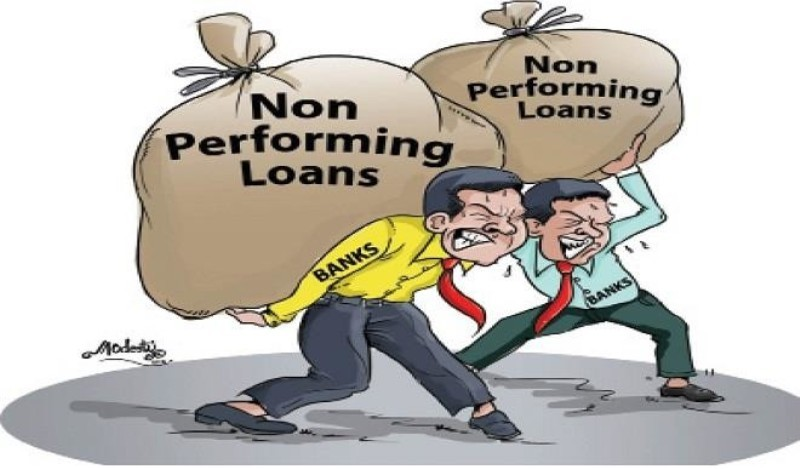
NPLs serve as an early warning system for economic instability. By tracking rising defaults, policymakers can identify emerging risks in specific sectors or regions and implement timely measures before stress spreads systemically.
Why Tanzania’s Capital Markets Remain Shallow and Why It Matters
A key challenge is the small number of participants. Only a fraction of Tanzanians invest in stocks, bonds, or other market instruments. Simultaneously, many firms remain unlisted due to high regulatory requirements, listing costs, or perceived complexities.
Why Doing Business Still Feels Expensive in Tanzania
Even with digital platforms for registration, access and adoption remain uneven. Rural businesses or micro-enterprises may lack awareness, connectivity, or skills to navigate online systems effectively, leaving them exposed to bureaucratic inefficiencies.
Factories Without Jobs? What Manufacturing Data Reveals About Employment in Tanzania
Manufacturing contributes significantly to Tanzania’s GDP growth, but its share of total employment remains limited. This disconnect arises from structural and policy-related factors that shape both the scale and type of jobs generated.
Budget Deficits Explained: Investment Tool or Hidden Risk?
Not all deficit spending is equal. Borrowing to build productive assets differs fundamentally from borrowing to finance consumption, recurrent costs, or inefficient subsidies.
Subsidies Under Pressure: Safety Net or Fiscal Trap?
The challenge arises when subsidies shift from temporary relief to permanent expenditure. Recurrent subsidy spending absorbs fiscal space that could otherwise finance long-term investments in health, education, infrastructure, and productivity-enhancing reforms.
Why Domestic Revenue Matters More Than Aid
When a state knows what it can reliably collect, it can commit to multi-year investments in health systems, education quality, infrastructure maintenance, and social protection areas that require continuity rather than short-term injections.
GDP Is Growing, But Are People Better Off? Rethinking Tanzania’s Economic Statistics
NBS inflation data indicates relative macroeconomic stability. Headline inflation has remained mostly within the 3–5% range, aligning with regional benchmarks and supporting monetary stability.