
Non-Performing Loans: Silent Signals of Economic Stress
Ready
NPLs serve as an early warning system for economic instability. By tracking rising defaults, policymakers can identify emerging risks in specific sectors or regions and implement timely measures before stress spreads systemically.
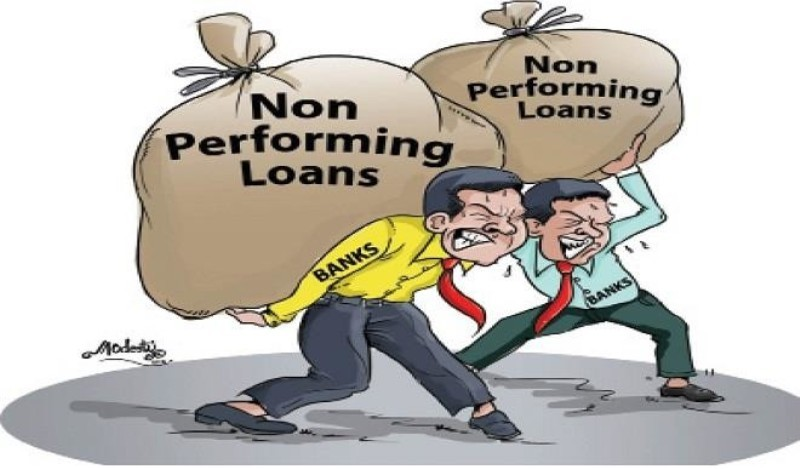
Non-performing loans (NPLs) are more than a banking statistic they are early warning signals of economic stress. When loans go unpaid, it often reflects broader challenges in the economy, including struggling households, distressed firms, or sectoral shocks.
Rising NPLs can signal that specific sectors or regions are under pressure. Monitoring these loans provides insights not only for banks, but also for policymakers, regulators, and investors seeking to anticipate and manage financial risks before they escalate into systemic problems.
Trends in NPLs and Sector Vulnerabilities
Recent banking trends show improvements in overall loan performance, but vulnerabilities remain. Certain sectors, including agriculture, SMEs, and tourism, are particularly susceptible to defaults due to seasonal shocks, market fluctuations, and operational challenges.
Sector-specific pressures highlight the uneven nature of economic resilience. While some industries recover quickly from downturns, others face structural barriers that make credit risk persistently high, emphasizing the need for targeted interventions.
Macroeconomic Implications of High NPLs
High NPLs can significantly impact the banking sector and the broader economy. Banks facing rising defaults may reduce lending, increase interest rates, or tighten credit requirements, which restricts access to finance for productive sectors.
This creates a feedback loop that slows economic growth. When credit availability declines, businesses struggle to expand, investments stall, and households face higher borrowing costs, deepening financial stress across the economy.
Early Warning Function of NPL Monitoring
NPLs serve as an early warning system for economic instability. By tracking rising defaults, policymakers can identify emerging risks in specific sectors or regions and implement timely measures before stress spreads systemically.
Proactive monitoring allows targeted interventions. For example, restructuring loans, providing temporary relief to affected borrowers, or offering sector-specific support can mitigate defaults and stabilize the financial system.
Role of Banks and Regulators
Banks and financial regulators play a critical role in managing NPLs. Identifying troubled loans early, assessing underlying causes, and applying solutions such as restructuring, rescheduling, or collateral enforcement are essential to maintaining asset quality.
Effective regulation encourages prudent lending and risk management. Supervisory frameworks, reporting standards, and stress-testing help banks anticipate vulnerabilities, strengthen balance sheets, and build resilience against sectoral or macroeconomic shocks.
Way Forward
Implement sector-specific credit monitoring to detect emerging risks in agriculture, SMEs, tourism, and other vulnerable industries.
Encourage banks to adopt proactive NPL management strategies, including early restructuring, targeted relief, and risk-based supervision.
Use NPL trends as indicators for targeted economic support, guiding fiscal, monetary, and industrial policies to stabilize vulnerable sectors.
Non-performing loans are silent but critical reflections of economic health. Spotting problems early prevents financial crises and ensures that credit remains available for productive investment, supporting sustainable economic growth.
 Uchumi360
Business Intelligence
Uchumi360
Business Intelligence
Uchumi360 covers business, investment, and economic policy across East, Central, and Southern Africa.
For the serious reader
You read to the end. That places you in a small group.
Uchumi360 is built for readers who demand precision over speed, structure over sentiment, and analysis that holds uncomfortable conclusions rather than softening them. If this work sharpens how you think about Africa's economy, help us keep building the infrastructure behind it.
Institutional Partners
Commission intelligence. Shape the conversation.
Uchumi360 works with development finance institutions, investment firms, sovereign bodies, and strategic organisations across the coverage region. Institutional partnership unlocks:
- Commissioned sector and country intelligence reports
- Branded research series under your institution's authority
- Exclusive data briefings for internal strategy teams
- Speaking and editorial presence at Uchumi360 events
- Co-published investment outlooks for your markets
Support Our Work
Independent analysis has a cost. Help us bear it.
Uchumi360 does not carry advertising. It does not take editorial direction from sponsors. Every article is produced without commercial compromise. Your contribution funds the reporting, research, and editorial infrastructure that keeps this analysis free from influence.
Secure checkout: One-time and monthly support are processed securely. Add payment credentials to enable checkout here.
Stay Connected
Keep up with every new insight.
Follow our latest analysis, policy coverage, and market intelligence as soon as it is published. If you need something specific, reach out directly and we will point you to the right research.
