Author: Emanuel Nyangwe
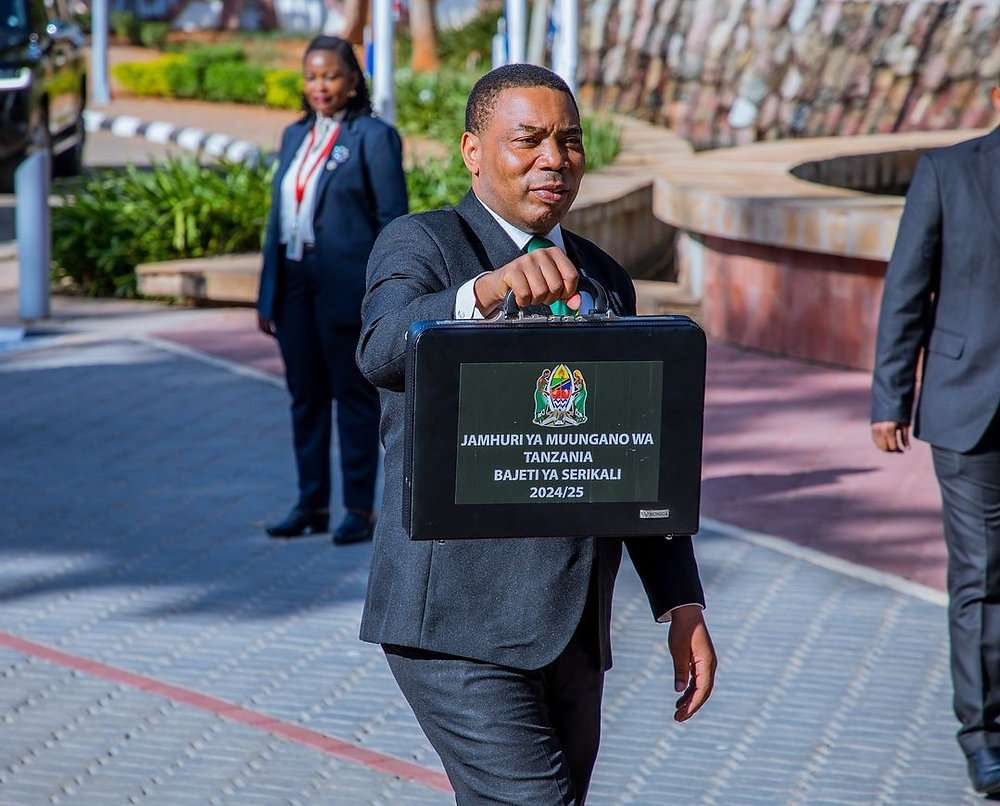
Fiscal Discipline or Public Spending Expansion, Which Path Is Tanzania Taking?
Public debt sits at the center of the debate. Borrowing for productive, high-return investments can strengthen long-term growth. Borrowing for inefficiency, delays, or recurrent expenditure does the opposite.
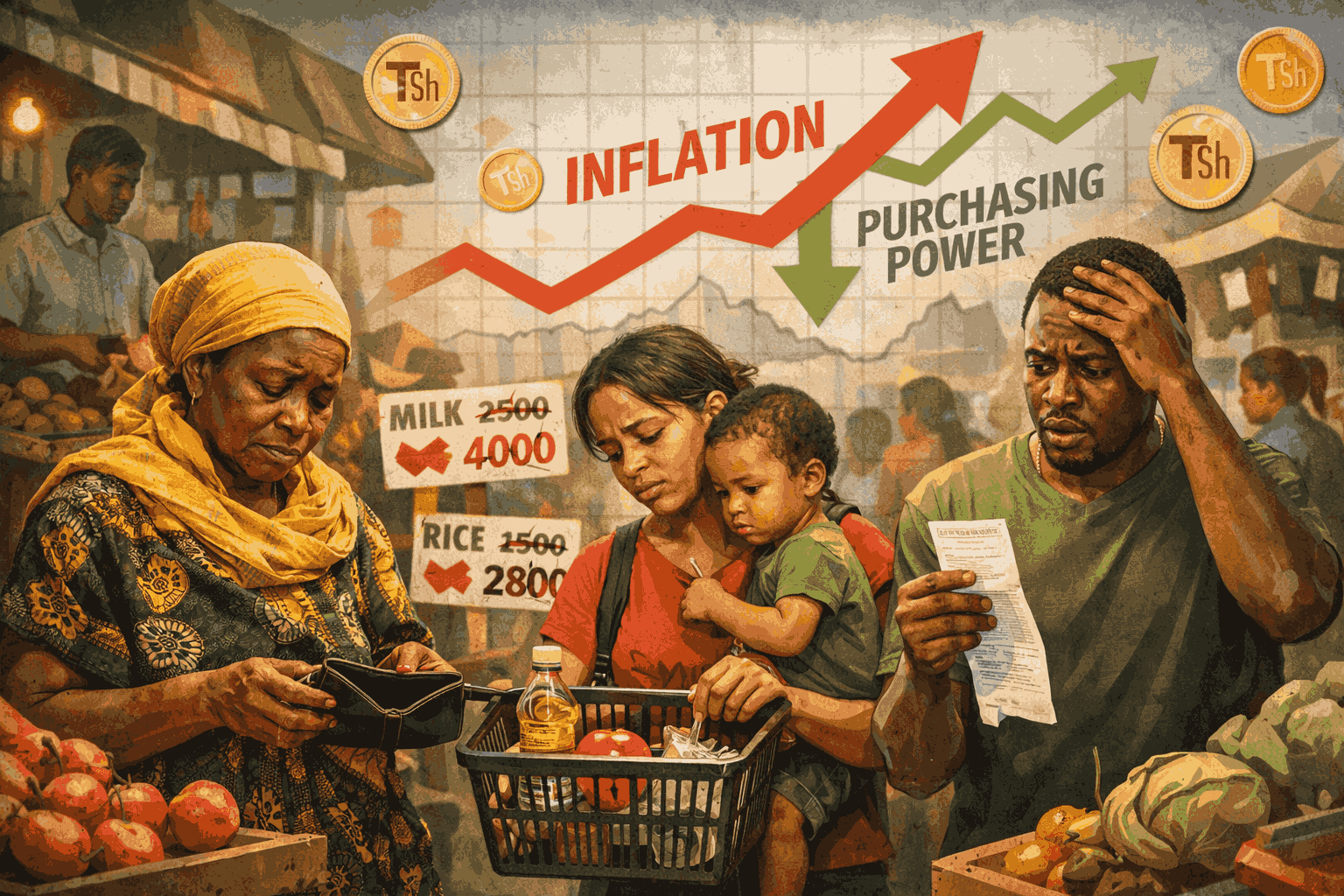
Inflation vs Purchasing Power: What Do Tanzanians Really Feel?
For policymakers, controlling inflation in the 3 % range is widely viewed as policy success. The Bank of Tanzania and National Bureau of Statistics have kept inflation comfortably below the target range (often between 3 % and 5 %) through prudent monetary policy.
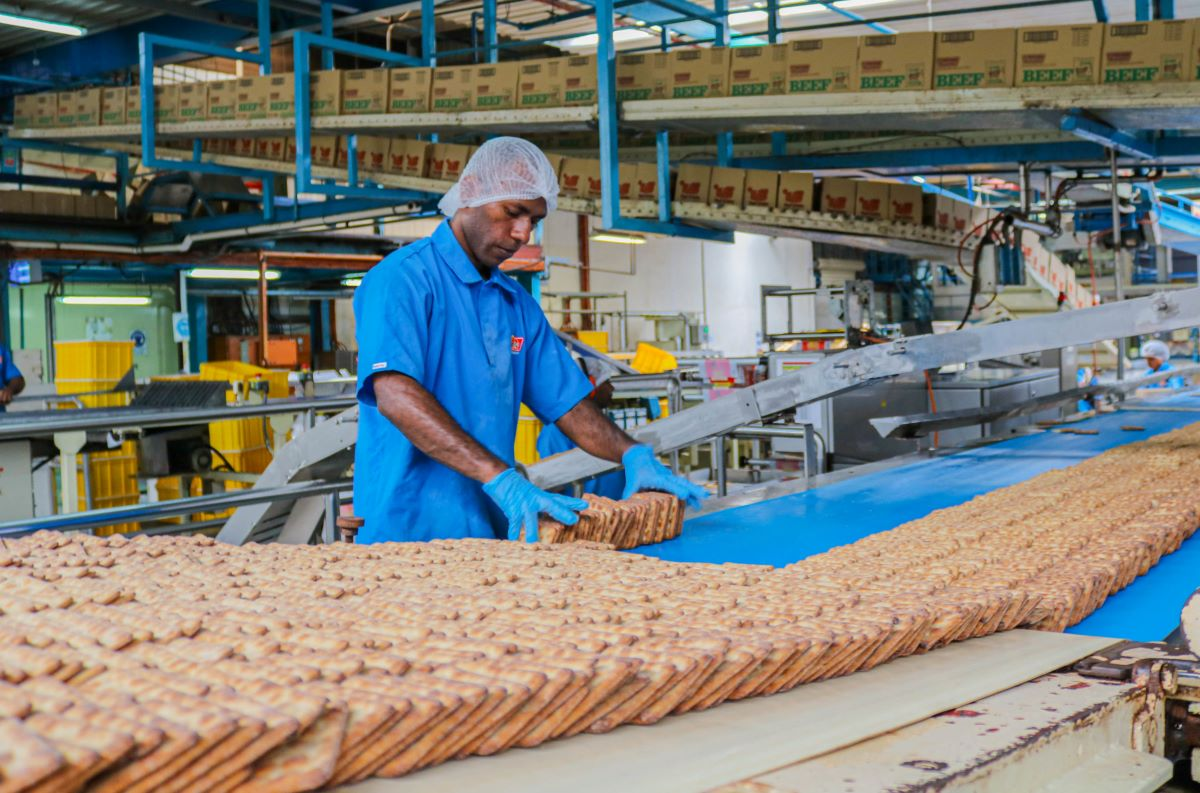
Understanding the Producer Price Index (PPI) and What It Means for the Economy
The Producer Price Index (PPI) is one of the most important economic tools for understanding early-stage price movements. It offers policymakers, businesses, and investors insight into inflationary pressures before they affect household spending.
STAMICO’s Role in Tanzania’s Mining Transformation: Driving Local Content, Economic Growth, and Sustainable Development
Compared to private mining firms, STAMICO’s focus on Tanzanian participation ensures that the sector contributes to domestic economic growth beyond just mineral exports.
Is Tanzania Finally Securing Its Mining Supply Chain for Local Economic Growth?
Tanzania is entering a new phase of mining-sector transformation, one where local companies take Centre stage in supplying goods and services previously dominated by foreign firms. Announced by the Minister for Minerals, Hon. Anthony Mavunde, on January 5, 2026, in Dodoma, the move follows amendments to the 2018 Mining (Local Content) Regulations.

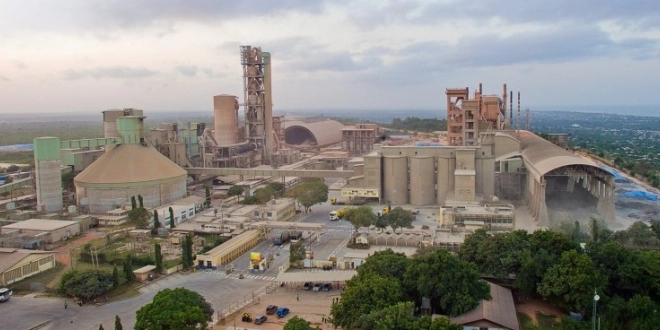
Climate Risks and Industrial Resilience: Is Tanzania Ready?
As the country pursues industrialization, the key question is whether Tanzanian industries are sufficiently prepared to withstand climate shocks and remain productive in the long term.
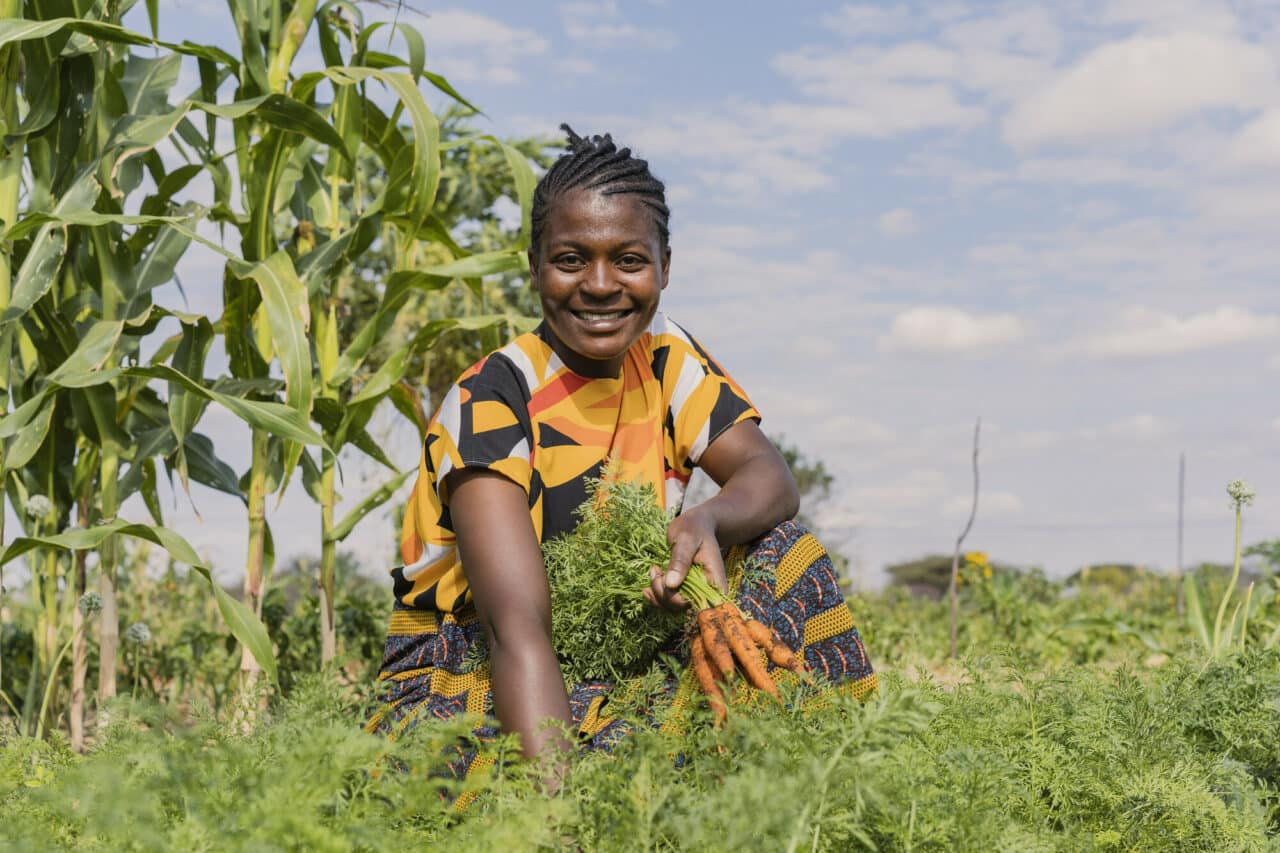
Understanding Agribusiness Value Chains in Tanzania
Despite high production volumes, many smallholder farmers remain poor. This paradox is not due to low productivity alone but stems from how agricultural products move through the agribusiness value chain, the journey from farm to consumer.
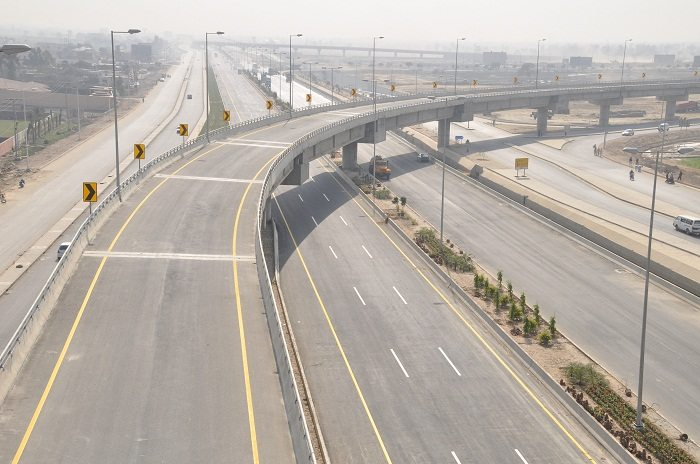
Understanding Infrastructure Financing in Tanzania
Financing determines not only how much infrastructure is built, but also how sustainable and productive it becomes.
IDRAS: Is TRA Easing the Taxpayer Burden?
The rollout of IDRAS signals a serious institutional effort by TRA to respond to long-standing taxpayer hardships. While it is too early to fully assess the outcomes, the system directly addresses key pain points in tax payment and service delivery.
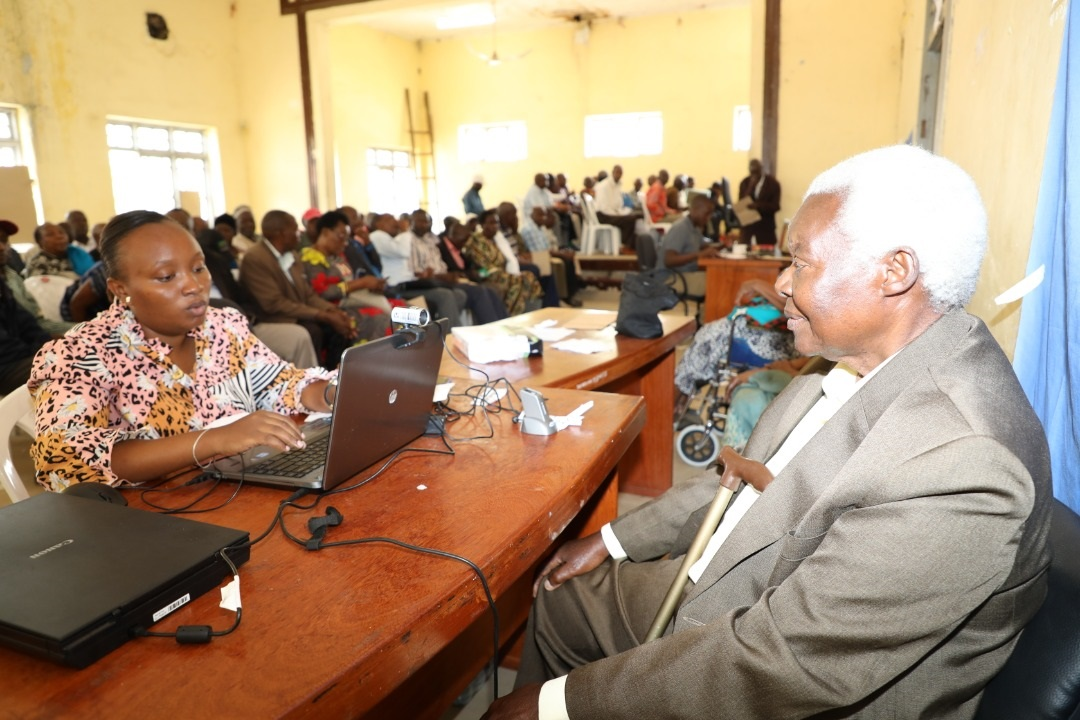
Pension Fund Returns in Tanzania: Are Retirees Getting Enough?
Tanzania’s Controller and Auditor General (CAG) has flagged sustainability concerns linked to these outstanding government debts, urging stronger internal controls and follow-up mechanisms before and after pension funds extend loans. This highlights the tension between pension funds’ dual roles as secure retirement vehicles and sources of long-term capital for national development.
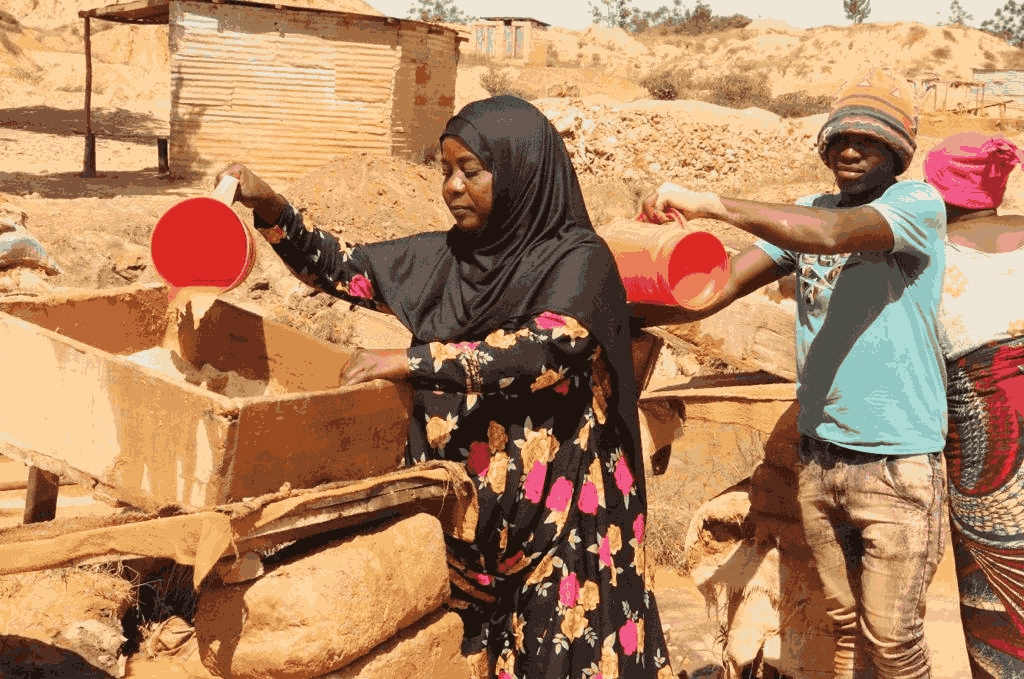
Why Tanzania Must Embrace Gender Inclusion in Mining
Gender inclusion in mining is not about displacing men or introducing symbolic representation. It is about ensuring that Tanzania fully utilizes its human capital and transforms mineral wealth into inclusive national development.