
Understanding Agribusiness Value Chains in Tanzania
Ready
Despite high production volumes, many smallholder farmers remain poor. This paradox is not due to low productivity alone but stems from how agricultural products move through the agribusiness value chain, the journey from farm to consumer.
Agriculture continues to be the backbone of Tanzania’s economy, employing over 65% of the population and contributing significantly to GDP, foreign exchange earnings, and food security. Despite high production volumes, many smallholder farmers remain poor. This paradox is not due to low productivity alone but stems from how agricultural products move through the agribusiness value chain, the journey from farm to consumer.
1. Fragmented Value Chains
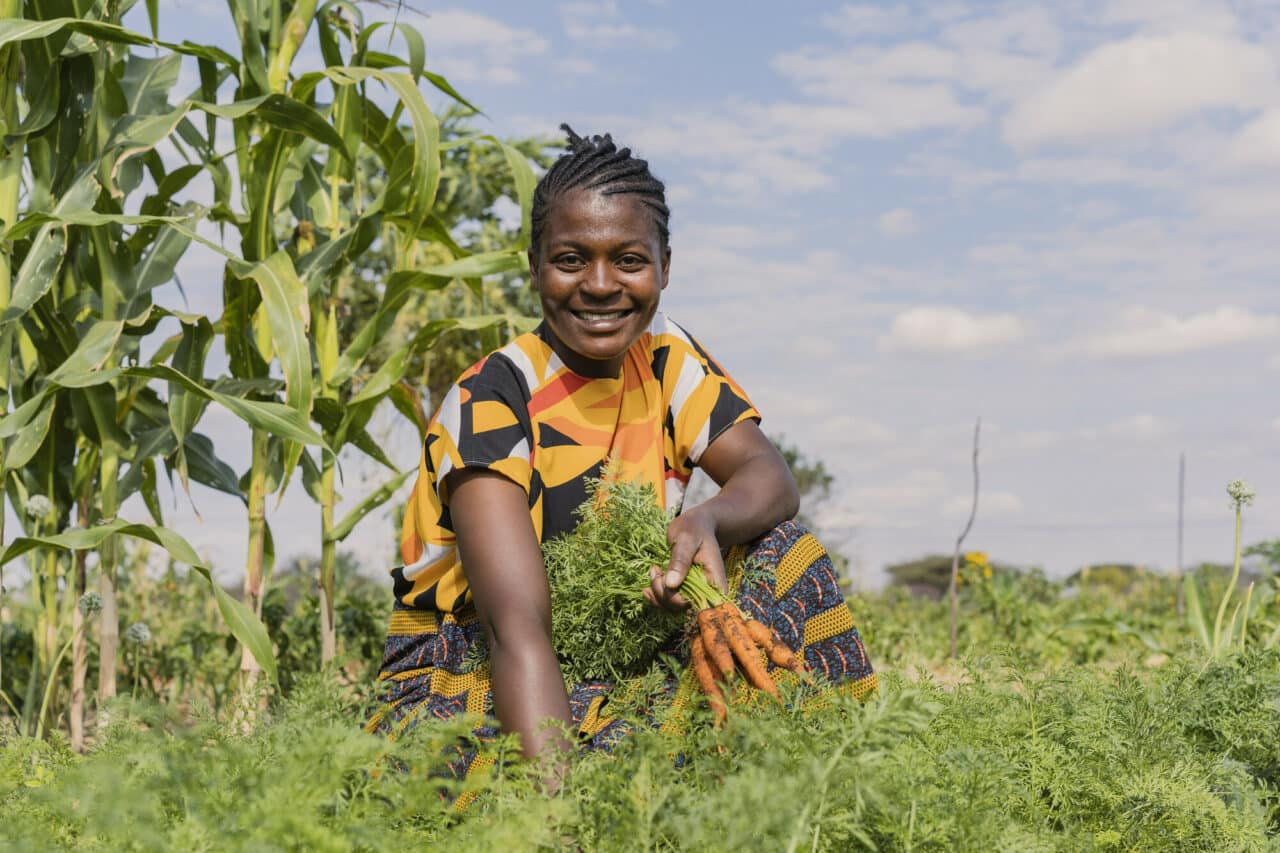
In Tanzania, agribusiness value chains are often fragmented and unstructured. Smallholder farmers typically sell raw crops like maize, rice, beans, sunflower seeds, and horticultural produce directly at farm gates. This bypasses opportunities for processing, branding, and accessing higher-value markets.
- Example: A farmer harvesting tomatoes sells them at low prices to a local trader. The trader then transports them to a city market, where the tomatoes are sold at a much higher price after sorting and packaging. The farmer earns a small fraction of the final market price, while the middleman captures most of the profit.
2. Role of Middlemen
Middlemen dominate aggregation, transportation, storage, and marketing. They reduce market risks for farmers but also capture a disproportionate share of profits, leaving farmers vulnerable.
- Impact: Farmers bear the production risks of pests, weather shocks, and post-harvest losses while earning minimal returns. This limits their capacity to reinvest in seeds, fertilizers, or equipment, creating a cycle of low income and low investment.
How Middlemen Influence Crop Prices in Tanzania
3. Weak Storage and Limited Processing
Post-harvest losses are a major challenge in Tanzania. Storage facilities are limited, and cold-chain infrastructure is rare, especially for perishable crops like fruits, vegetables, and fish. Similarly, agro-processing capacity is low, meaning most crops are sold raw rather than processed into higher-value products such as packaged flour, edible oils, or juice.
- Example: Sunflower seeds are often sold as raw seeds instead of being processed into oil locally. Consequently, the value addition occurs elsewhere, often outside the country, depriving local communities of potential income.
4. Limited Access to Finance
Access to credit and investment for smallholders and cooperatives is restricted. Banks often require collateral that small farmers cannot provide, preventing them from investing in:
- Processing equipment
- Cold storage facilities
- Quality packaging and branding
- Transportation and logistics
Without these investments, farmers remain price-takers instead of market participants, unable to negotiate better prices or access regional and international markets.
5. Strategies to Strengthen Agribusiness Value Chains
To transform agriculture from subsistence to business, Tanzania needs interventions across multiple areas:
- Infrastructure Investment: Improved roads, storage facilities, and cold chains reduce post-harvest losses and increase market access.
- Farmer Organizations: Cooperatives and producer groups enhance bargaining power, facilitate collective marketing, and enable access to finance.
- Agro-Processing Industries: Local processing adds value to raw produce, creates jobs, and retains wealth in rural areas.
- Structured Market Linkages: Connecting farmers directly to supermarkets, export markets, and processors ensures fair pricing and predictable demand.
- Example: The horticultural sector in Arusha and Manyara has benefitted from contract farming schemes, where farmers supply fresh vegetables directly to hotels and supermarkets. This approach increases farmers’ incomes while reducing dependence on middlemen.
6. The Impact of Strengthened Value Chains
When value chains are strengthened:
- Farmers retain a larger share of the final price
- Rural incomes increase
- Agriculture becomes profitable and sustainable, rather than a survival activity
- Investment in technology, training, and climate-smart farming practices is incentivized
By focusing on value chain development, Tanzania can transform agriculture into a business-driven sector, improve rural livelihoods, and boost the country’s economic growth and export potential.
 Uchumi360
Business Intelligence
Uchumi360
Business Intelligence
Uchumi360 covers business, investment, and economic policy across East, Central, and Southern Africa.
For the serious reader
You read to the end. That places you in a small group.
Uchumi360 is built for readers who demand precision over speed, structure over sentiment, and analysis that holds uncomfortable conclusions rather than softening them. If this work sharpens how you think about Africa's economy, help us keep building the infrastructure behind it.
Institutional Partners
Commission intelligence. Shape the conversation.
Uchumi360 works with development finance institutions, investment firms, sovereign bodies, and strategic organisations across the coverage region. Institutional partnership unlocks:
- Commissioned sector and country intelligence reports
- Branded research series under your institution's authority
- Exclusive data briefings for internal strategy teams
- Speaking and editorial presence at Uchumi360 events
- Co-published investment outlooks for your markets
Support Our Work
Independent analysis has a cost. Help us bear it.
Uchumi360 does not carry advertising. It does not take editorial direction from sponsors. Every article is produced without commercial compromise. Your contribution funds the reporting, research, and editorial infrastructure that keeps this analysis free from influence.
Secure checkout: One-time and monthly support are processed securely. Add payment credentials to enable checkout here.
Stay Connected
Keep up with every new insight.
Follow our latest analysis, policy coverage, and market intelligence as soon as it is published. If you need something specific, reach out directly and we will point you to the right research.
