Author: Emanuel Nyangwe
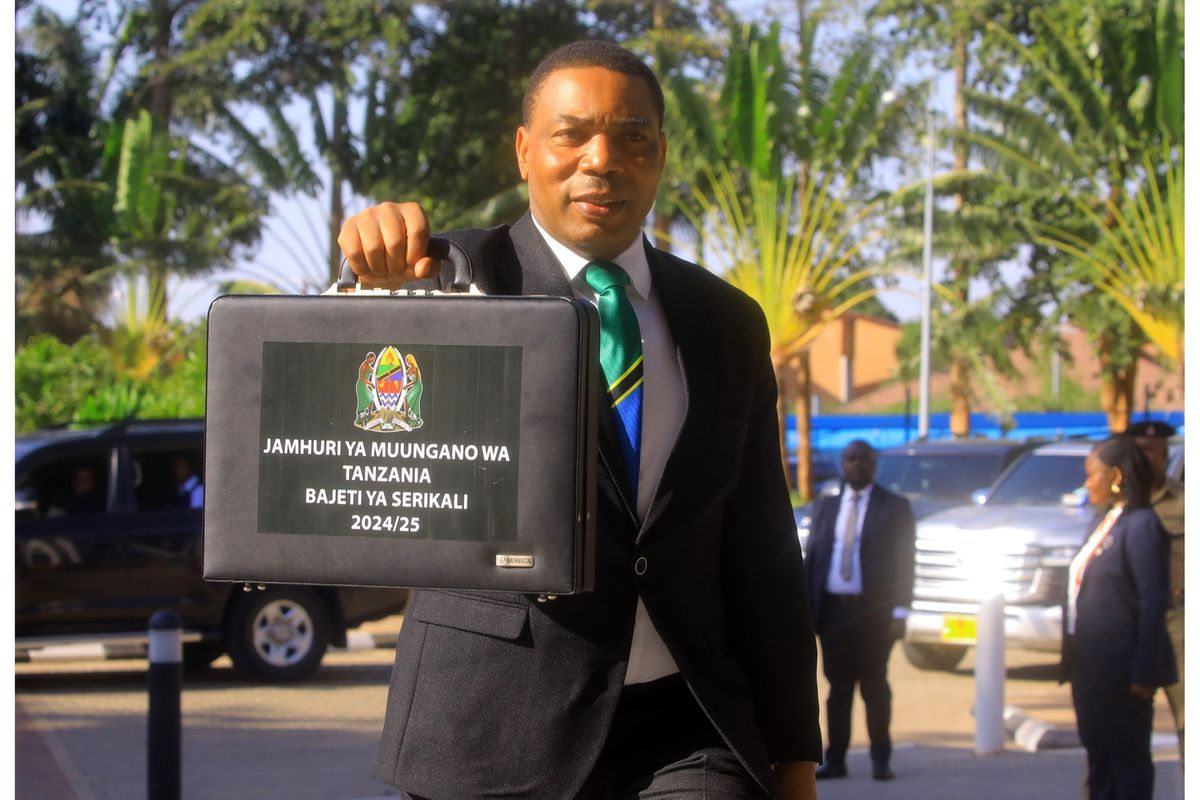
Assessing Tanzania’s Public Wage Bill Sustainability
The answer has implications for budget allocation, development priorities, and overall economic stability.
Are Tanzania’s Incentives for Investors Too Generous or Necessary?
Tanzania delivers incentives through several channels. The Export Processing Zones Authority (EPZA) and Special Economic Zones (SEZs) provide tax holidays, duty exemptions, and streamlined administrative processes to facilitate investment.
The Economics of Mining Royalties and Local Content Policies
When designed and implemented strategically, royalties and local content policies have the power to transform Tanzania’s mineral wealth into long-term, broad-based prosperity.
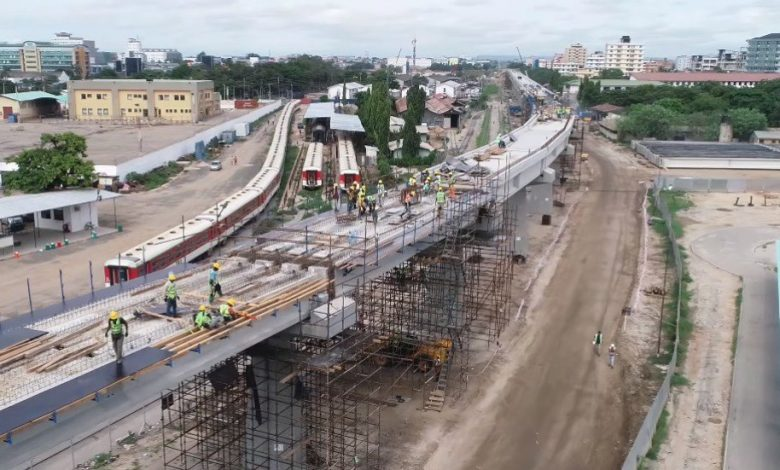
Rail vs. Road Transport: Which Is Economically Superior for Tanzania?
In Tanzania, the efficiency of moving goods and people directly influences trade costs, regional integration, investment attraction, and the competitiveness of industries. Both road and rail networks play vital roles in linking domestic markets and connecting the country with landlocked economies such as Rwanda, Burundi, Uganda, Zambia, and the Democratic Republic of Congo.

Is Tanzania Reducing Poverty Fast Enough?
Accelerating poverty reduction requires deliberate, people-centered investments and policy reforms. Modernizing agriculture is essential through expanded irrigation systems, mechanization, improved storage facilities to reduce post-harvest losses, and better access to extension services.
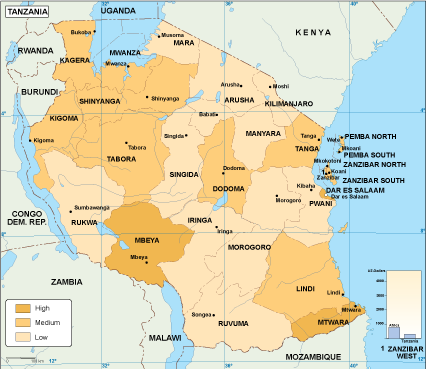
Tanzania’s Regional Inequality: Why Some Areas Prosper While Others Lag Behind
While urban centers and some regions flourish, others remain stuck in stagnation. This unequal growth threatens social cohesion, national productivity, and long-term sustainable development.
Digital Infrastructure and Tanzania’s Economic Transformation
Tanzania’s economic future increasingly depends on the strength of its digital systems. Expanding broadband, building modern data centers, strengthening cybersecurity, and investing in digital skills will determine the country’s position in the global digital economy.
Tanzania’s Tax Base: Why It Remains Narrow and How to Expand It
Expanding the tax base is therefore crucial for sustainable economic growth, fiscal stability, and equitable development.
Why Domestic Demand Is the Sleeping Giant of Tanzania’s Economy
Tanzania’s middle class is expanding rapidly, creating a powerful engine for domestic consumption. As incomes rise, households are increasingly spending on a broad range of goods and services, including housing, food products, transportation, telecommunications, and financial services.
What Slows Down Productivity in Tanzania’s Workforce?
Tanzania’s workforce productivity remains lower than global and regional averages, limiting economic competitiveness, industrial growth, and income generation.
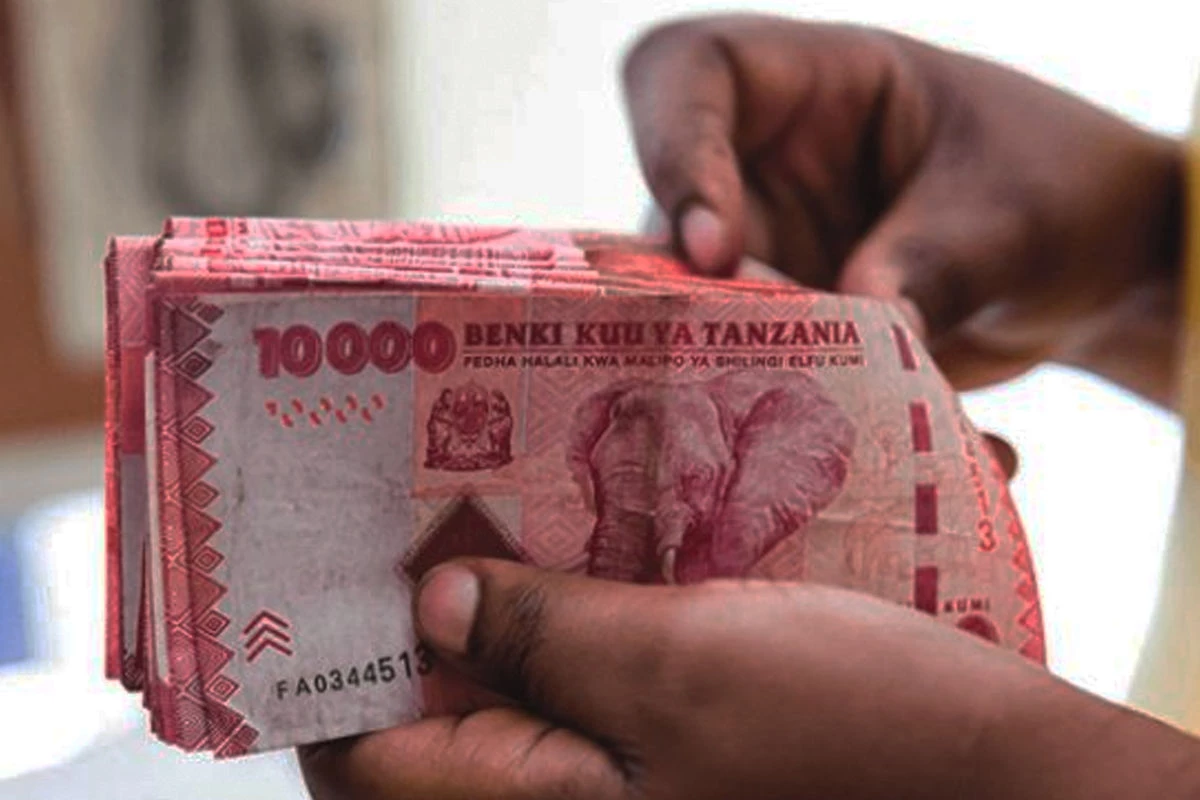
How Exchange Rate Movements Affect Prices, Imports, and Daily Life in Tanzania
As global markets fluctuate, Tanzania’s import-dependent economy immediately feels the consequences, impacting households, businesses, and public service delivery. Understanding these dynamics is crucial for policymakers, investors, and ordinary citizens navigating rising prices and economic uncertainty.