Author: Emanuel Nyangwe
How ERP Systems Help Tanzanian Companies Streamline Supply Chains
In manufacturing and production, ERP provides real-time monitoring of processes, helping companies identify bottlenecks and optimize production schedules.
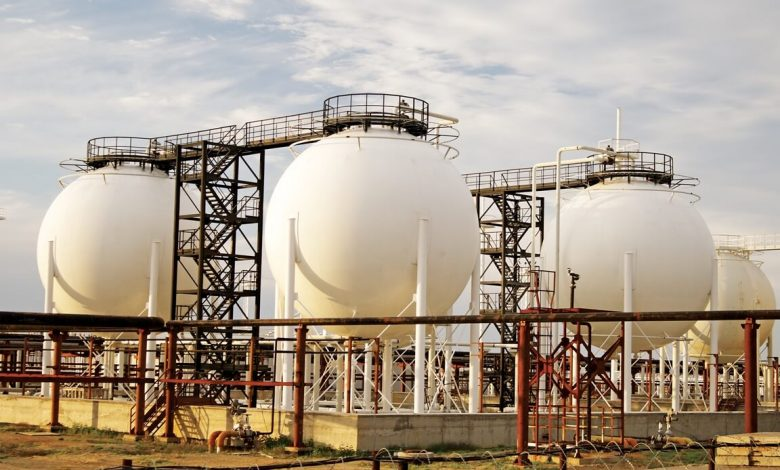
Mtwara’s Natural Gas Awakening: Tanzania’s Strategic Path to Energy Independence by 2050
In essence, Mtwara is no longer just a southern region it is the testing ground for Tanzania’s next industrial revolution.
Tanzania Raises Private Sector Minimum Wage by 33.4%: What Workers, Businesses, and the Economy Need to Know
The increase in Tanzania’s private sector minimum wage is a positive step toward improving living standards and reducing income inequality. However, its success depends on balanced implementation, effective enforcement, and supporting measures for businesses to absorb higher labor costs.
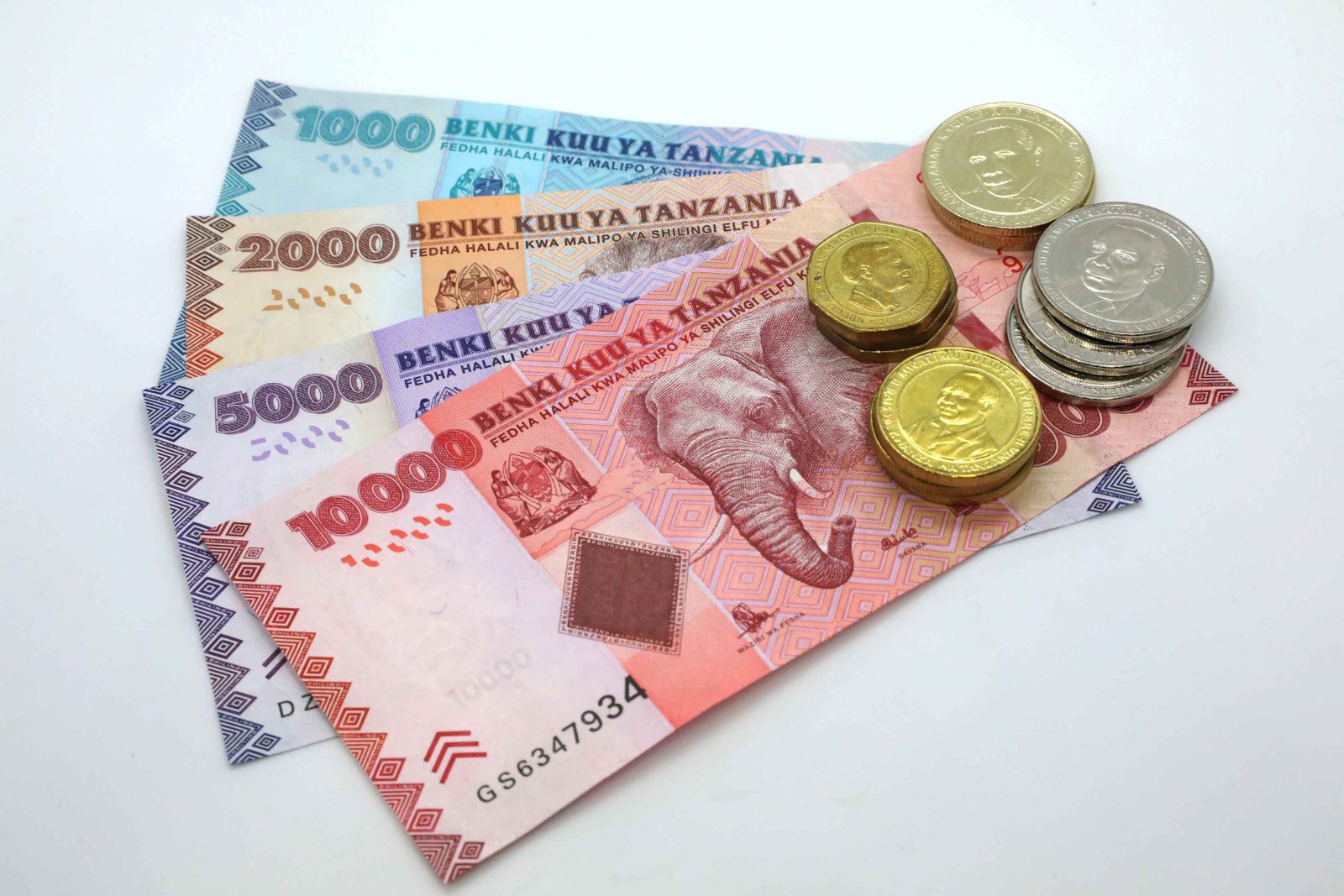
Why the Bank of Tanzania Must Print Money at Different Times
The Bank of Tanzania prints money not for political reasons, but to replace old currency, meet economic needs, support monetary policy, and maintain the stability of the financial system.
How Technology is Transforming Eco-Tourism in Tanzania
Not every traveller can make it to Tanzania, but virtual reality tours are changing that. Through VR, people around the world can explore the Ngorongoro Crater or watch elephants roam in Tarangire from their own living rooms.
Tanzania’s Trade Future: How Tariffs and Trade Barriers Impact the Economy
Tariffs and trade barriers are powerful tools that can stimulate Tanzania’s economic growth, protect jobs, and nurture local industries. However, they also carry risks, including higher consumer costs and strained international trade relations.
As Precious Metals Hit Record Highs in 2024–2025, Is Tanzania Prepared to Cash In?
If Tanzania extends its strategy beyond gold and into silver, the nation could secure not only billions in export earnings but also build stronger financial reserves and industrial capacity.
Exporting Agricultural Products: Meeting International Quality Standards
Meeting international quality standards is not just a legal requirement, it’s a pathway to profitability, competitiveness, and sustainability in global markets. By investing in training, infrastructure, and certification, Tanzanian farmers can elevate their exports, increase income, and strengthen the country’s position in international agricultural trade.

How to Improve Post-Harvest Handling to Reduce Food Losses in Tanzania
Reducing post-harvest losses in Tanzania requires a combination of education, technology, and infrastructure investment. From using better harvesting tools and storage bags to adopting cold chain systems and digital market platforms, every step counts.
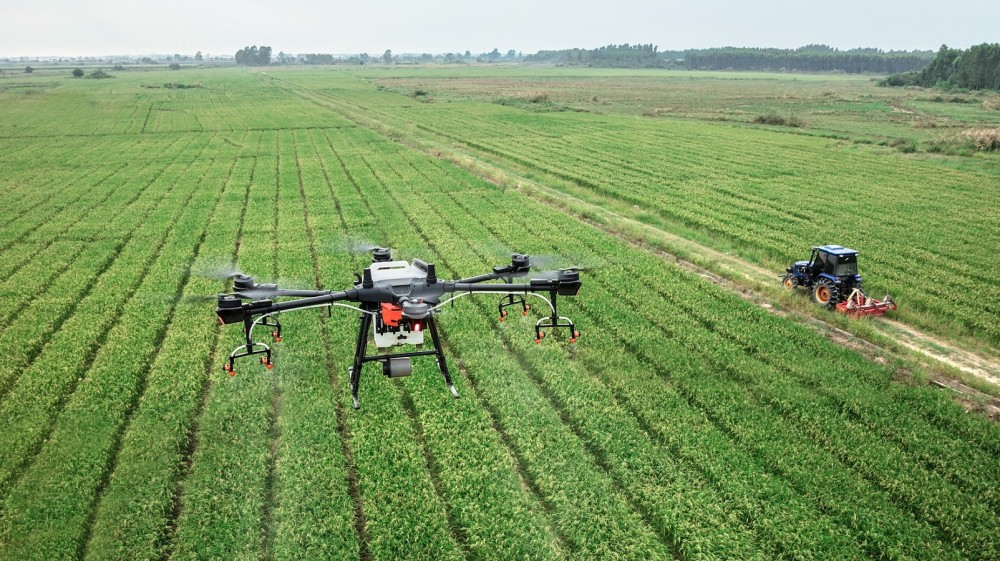
The Role of Technology in Modernizing Tanzanian Agriculture
The rise of digital agriculture platforms has given farmers access to vital information that was once difficult to obtain. Through mobile phones, farmers can now receive real-time updates on weather forecasts, pest control tips, and market prices.
The Rise of E-commerce and Last-Mile Delivery Solutions in Tanzania
Tanzania’s e-commerce landscape is still in a developing stage but is expanding rapidly. The sector is largely mobile-driven, with over 33 million internet users and 60% smartphone penetration, according to the Tanzania Communications Regulatory Authority (TCRA, 2024).