
From Cash to a Paperless Economy: Analysis of Tanzania’s Mandatory Electronic Payment Regime in The Digital Economy Era
Ready
Tanzania is accelerating its transition towards a paperless economy through the Electronic Transactions (Mandatory Electronic Payments for Specified Transactions) Order, 2026. Effective from 1 July 2026, the Order makes electronic payments mandatory for specified transactions across sectors including transport, tourism, hospitality, education, real estate and motor vehicle transactions. This article examines the legal, commercial and economic implications of mandatory electronic payments in Tanzania, including financial inclusion, tax compliance, cybersecurity, data protection and the readiness of the country’s digital payment ecosystem.
KEY HIGHLIGHTS:
- The Electronic Transactions (Mandatory Electronic Payments for Specified Transactions) Order, 2026, Government Notice No. 158C of 2026, effective from 1 July 2026 makes electronic payment a legal requirement for specified transactions.
- Businesses and investors operating in the covered sectors must establish compliant electronic payment systems within the prescribed transition period.
- The Order creates opportunities for digital transaction transparency, improved financial records, easier reconciliation and enhanced tax compliance.
- Businesses should also consider digital payment risks, including cybersecurity, data protection, system reliability and customer readiness.
- For investors, the shift towards electronic payments supports Tanzania’s broader transition towards a more formal, transparent and digitally integrated economy.
Source: https://victoryattorneys.co.tz
INTRODUCTION
Legal reform is often a reflection of a nation’s economic vision and preparedness to embrace future developments. William Gibson, the renowned Canadian-American speculative fiction author widely credited with popularizing the concept of cyberspace, made one of the most enduring observations on technological advancement. During a 1999 National Public Radio (NPR) interview, he remarked: “As I’ve said many times, the future is already here - it’s just not very evenly distributed.”
Although made over two decades ago, Gibson’s observation remains remarkably relevant to today’s digital economy. This captures the reality that technological innovations often exist long before they become universally accessible or widely adopted. While some countries rapidly embrace digital transformation through advanced technology, progressive legal framework and widespread public adoption, others continue to transition gradually as their infrastructure, regulatory environment and financial ecosystem evolve. In such cases, the journey towards a paperless economy has become a defining feature of modern economic development worldwide.
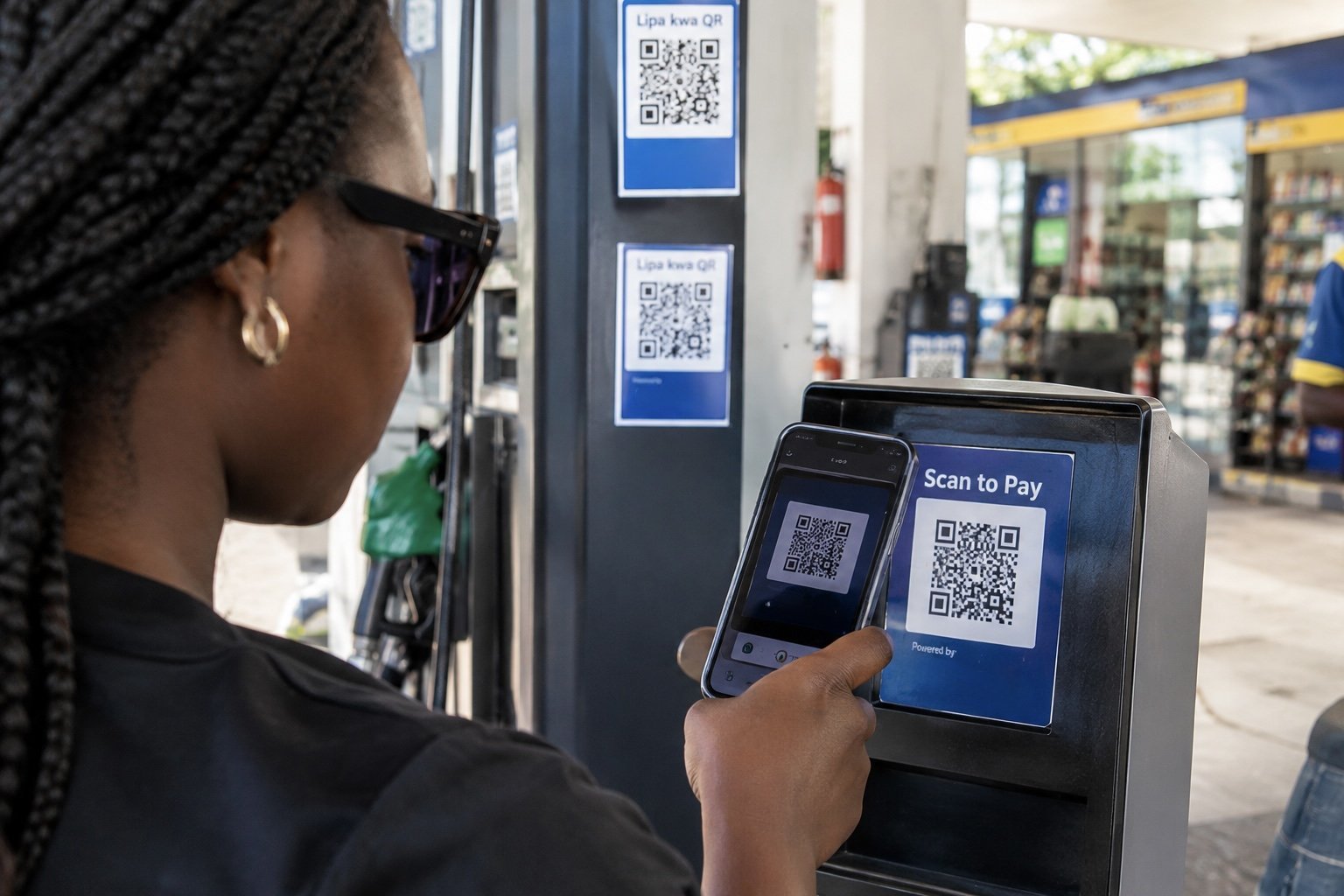
Tanzania’s financial sector has undergone a significant digital transformation. Mobile money, digital banking, POS and QR-code payments have expanded access to electronic financial services, while the Government Electronic Payment Gateway (GePG) has enabled electronic payment of taxes, fees, levies, licences, and other Government charges. Mobile money agents and expanding network coverage have further extended access, including in rural areas, and electronic payments are increasingly used in transport, retail, hospitality, education and other commercial activities.
Despite this progress, cash remains important, particularly within informal commercial activities, while differences in internet connectivity, electricity reliability, smartphone ownership and digital literacy continue to affect access. The need to formalize transactions, improve transparency and strengthen tax administration provides an important context for the Electronic Transactions (Mandatory Electronic Payments for Specified Transactions) Order, 2026, published as Government Notice No. 158C of 2026.
Against this background, Tanzania has adopted a regulatory approach to accelerate a transition that other jurisdictions have pursued through technology, market adoption and regulation. This article examines the Order, Tanzania’s payment ecosystem, its commercial and economic implications, and the principal challenges in achieving an inclusive and sustainable paperless economy.
UNDERSTANDING THE NEW MANDATORY ELECTRONIC PAYMENT REGIME
Effective from 1 July 2026, the Order shifts specified commercial transactions from cash-based payments to electronic payment systems by requiring payments for specified transactions to be made and received electronically. “Electronic means” includes mobile money, bank transfers, electronic funds transfers (EFT), payment cards, electronic wallets, Point of Sale (POS) devices, internet and mobile banking and the Government Electronic Payment Gateway (GePG).
What is the scope of this order?
The Order covers public transport services including BRT, ferries, railways, airlines, online taxis, bridges, tolls and parking; shopping malls, filling stations, conference and event venues, sports arenas and trade exhibitions; educational institutions; hotels, restaurants and cafes; tourism-related services; the sale, purchase or leasing of land and buildings; motor vehicle transactions; and strategic agricultural activities undertaken through Cooperative Unions and Agricultural Marketing Cooperative Societies (AMCOS).
What does it mean?
Businesses and institutions already receiving payments before commencement have six months, ending on 31 December 2026, to establish compliant electronic payment systems. Contracts concluded before the commencement are preserved, ensuring that the new requirements do not operate retrospectively. The Order, therefore, goes beyond replacing cash by supporting formalization, financial inclusion, transparency and traceable commercial transactions.
TANZANIA’S DIGITAL PAYMENT ECOSYSTEM: IS THE COUNTRY READY?
Tanzania has a substantial foundation for implementing mandatory electronic payments. Mobile money platforms such as M-Pesa, Airtel Money, Mixx by Yas, HaloPesa, T-Pesa, Azam Pesa and Selcom Pesa enable transfers, merchant payments and Government payments through mobile phones. Commercial banks provide internet and mobile banking, cards, EFT, POS and QR-code payment solutions.
GePG has strengthened the public payment infrastructure by connecting Government institutions with banks and mobile money operators. Mobile network coverage and the agent network have also improved accessibility, while electronic payments are increasingly used across transport, retail, hospitality, education, health and other sectors.
However, Tanzania’s ecosystem remains less digitally mature than jurisdictions such as Sweden, the United States and, in some respects, Kenya. Mobile money remains dominant, while card payments, digital wallets and integrated banking technologies are comparatively less utilized. Tanzania therefore has a workable foundation, but continued investment in infrastructure, interoperability, innovation and public confidence remains necessary.
IMPLICATIONS AND CRITICAL ANALYSIS: TANZANIA VIS-A-VIS THE GLOBAL DIGITAL ECONOMY
The Order has significant commercial and economic implications. Electronic payments create verifiable records and an audit trail that can assist the Tanzania Revenue Authority (TRA) in reducing under-reporting, strengthening compliance and broadening the tax base. For businesses, digital payments can simplify reconciliation, reduce cash-handling risks, improve financial reporting and enhance customer convenience.
Mandatory electronic payments may deepen financial inclusion by encouraging individuals and small businesses that are traditionally dependent on cash to participate in the formal financial system, potentially improving access to savings, credit, insurance and other digital services. For investors, transparent and traceable payment systems may reduce transaction risks and support Tanzania’s attractiveness as an investment destination.
However, Tanzania’s legislative approach differs from jurisdictions where electronic payments have become dominant largely through technological innovation, convenience and consumer confidence. Regulation may accelerate adoption, but long-term success will depend on affordability, reliable infrastructure and public trust. Greater interoperability among banks, payment institutions and mobile money platforms will also be essential. A country like Kenya demonstrates the potential of mobile money (M-PESA) to transform commerce, while Tanzania must continue developing an integrated and competitive ecosystem.
The digital economy is also evolving beyond conventional electronic payments. Artificial Intelligence (AI), Open Banking, Buy Now Pay Later (BNPL), embedded finance, digital identity systems, Central Bank Digital Currencies (CBDCs) and cryptocurrencies are reshaping financial services globally. The Order addresses mandatory electronic payments for specified transactions, but Tanzania will need continuing legal and regulatory development to respond to emerging technologies.
Cybersecurity and data protection are equally critical. Increased digital transactions expose businesses and consumers to cyber fraud, identity theft, unauthorised access and misuse of personal information. Compliance with the Personal Data Protection Act, together with investment in cybersecurity, institutional capacity and public awareness, is therefore essential.
Finally, cash remains significant in Tanzania’s informal economy, while limitations in internet connectivity, electricity reliability, smartphone ownership and digital literacy persist in some communities. Therefore, mandatory electronic payments should be supported by infrastructure, financial education and public awareness so that digital transformation promotes inclusion rather than exclusion.
Therefore, the success of Tanzania’s paperless economy should not be measured merely by legislation or the number of payment platforms. Its success should be measured by whether electronic payment systems become accessible, secure, trusted, interoperable and beneficial to consumers, businesses and Government.
CONCLUSION
The Electronic Transactions (Mandatory Electronic Payments for Specified Transactions) Order of 2026 marks a significant step in Tanzania’s transition towards a paperless economy. Its potential benefits include modernizing commerce, strengthening tax administration, improving transparency and advancing financial inclusion. However, legislation alone cannot deliver a successful digital economy. Tanzania must continue investing in reliable infrastructure, interoperability, cybersecurity, data protection, technological innovation and public awareness while ensuring that regulation evolves with emerging financial technologies. Therefore, the real measure of success will not be whether electronic payments become mandatory but whether they become accessible, secure and trusted by citizens and businesses. Only then will Tanzania move beyond replacing cash with electronic payments to achieve a genuinely inclusive and sustainable digital economy.
https://victoryattorneys.co.tz
DISCLAIMER
This article is not intended to offer legal advice but rather aims to provide general information on the subject matter discussed. It does not constitute and should not be relied upon as legal advice. Victory Attorneys & Consultants explicitly disclaims any responsibility for any loss that may occur if this article is relied upon without first seeking professional legal advice from our legal experts. Individuals should consult qualified professionals for tailored legal guidance related to their specific circumstances.
ABOUT US
Victory Attorneys & Consultants is a leading full-service law firm delivering exceptional legal and advisory services in tax, financial services regulation, banking and microfinance law, corporate and commercial law, and dispute resolution across Tanzania and beyond. With deep expertise in navigating the intersection between tax statutes and financial regulatory frameworks, we provide strategic guidance on complex assessments, appeals, and compliance obligations, ensuring our clients operate confidently within Tanzania’s evolving fiscal and financial services landscape.
 Uchumi360
Business Intelligence
Uchumi360
Business Intelligence
Uchumi360 covers business, investment, and economic policy across East, Central, and Southern Africa.
For the serious reader
You read to the end. That places you in a small group.
Uchumi360 is built for readers who demand precision over speed, structure over sentiment, and analysis that holds uncomfortable conclusions rather than softening them. If this work sharpens how you think about Africa's economy, help us keep building the infrastructure behind it.
Institutional Partners
Commission intelligence. Shape the conversation.
Uchumi360 works with development finance institutions, investment firms, sovereign bodies, and strategic organisations across the coverage region. Institutional partnership unlocks:
- Commissioned sector and country intelligence reports
- Branded research series under your institution's authority
- Exclusive data briefings for internal strategy teams
- Speaking and editorial presence at Uchumi360 events
- Co-published investment outlooks for your markets
Support Our Work
Independent analysis has a cost. Help us bear it.
Uchumi360 does not carry advertising. It does not take editorial direction from sponsors. Every article is produced without commercial compromise. Your contribution funds the reporting, research, and editorial infrastructure that keeps this analysis free from influence.
Secure checkout: One-time and monthly support are processed securely. Add payment credentials to enable checkout here.
Stay Connected
Keep up with every new insight.
Follow our latest analysis, policy coverage, and market intelligence as soon as it is published. If you need something specific, reach out directly and we will point you to the right research.
