

Why Tanzania is Listed by the UN Among Countries Expected to Graduate from Least Developed to Developing Status
At the household level, per capita income has steadily improved, rising from USD 453 in 2000 to USD 1,277 in 2023, signaling broader economic participation and higher living standards.
Tanzania’s inclusion on the UN’s list of countries expected to graduate from Least Developed Country (LDC) status marks a significant turning point in its development trajectory. In the 2024 triennial review, the UN Committee for Development Policy (CDP) confirmed that Tanzania met the graduation criteria for the first time.
This milestone reflects two decades of sustained economic performance, improvements in human development, and greater resilience to internal and external shocks.
1. Sustained Economic Expansion
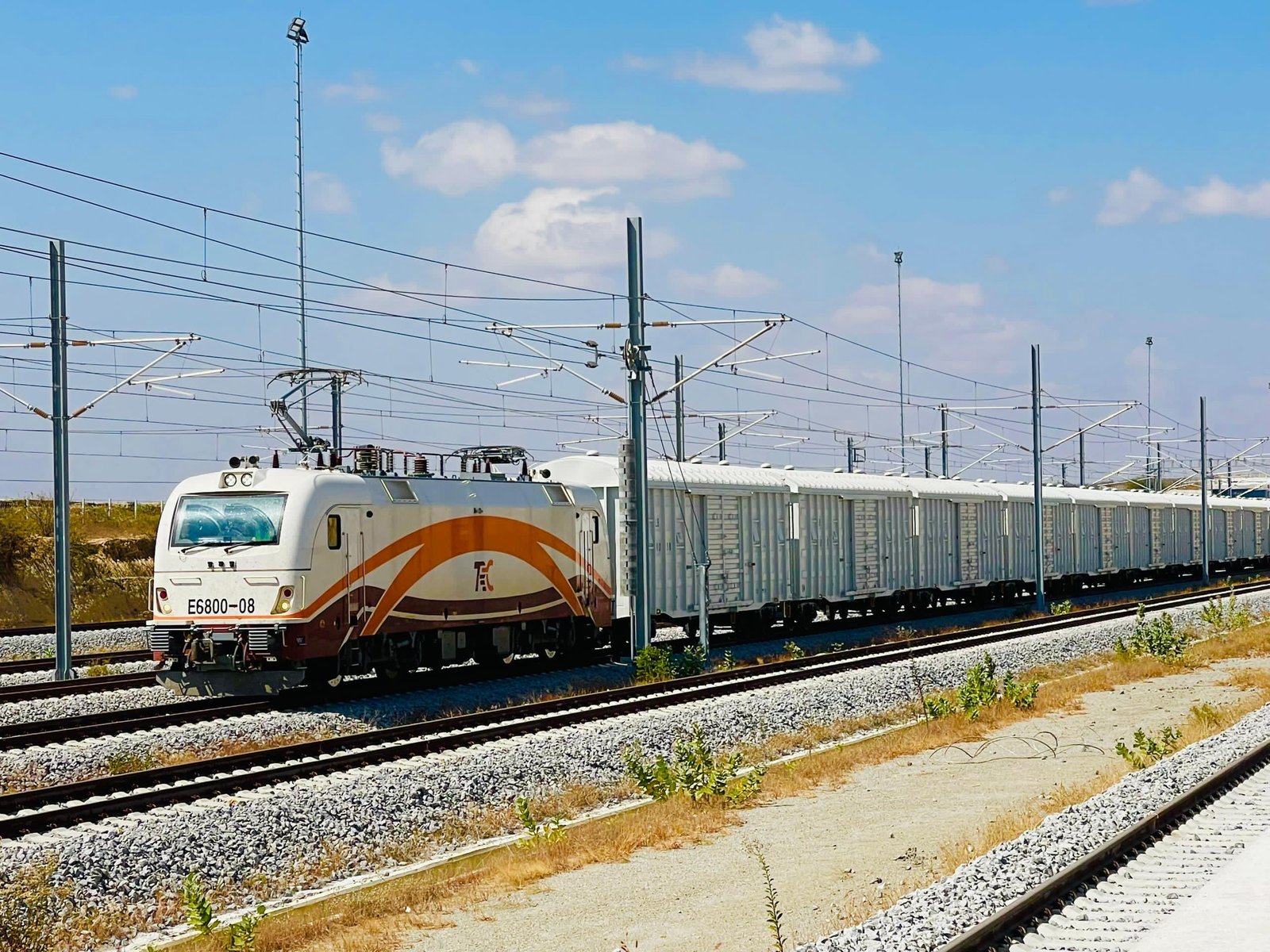
Tanzania’s economy has maintained strong and consistent growth, averaging 6.2% annually between 2000 and 2024. This expansion was not accidental but rooted in deliberate macroeconomic policies, industrial growth, and strategic infrastructure investments. Landmark projects such as the Standard Gauge Railway (SGR) and the Julius Nyerere Hydropower Project demonstrate how the state has used infrastructure as a catalyst for long-term competitiveness.
At the household level, per capita income has steadily improved, rising from USD 453 in 2000 to USD 1,277 in 2023, signaling broader economic participation and higher living standards.
2. Poverty Reduction and Human Development Gains
Economic progress has been complemented by tangible improvements in human development. The proportion of Tanzanians living in extreme poverty declined from 36% in 2000 to 26% in 2024. Expanded access to private-sector credit, industrial job creation, and state investment in health and education have been central to this decline.
The Human Assets Index (HAI), a composite UN measure of education and health outcomes, rose to 68.1 in 2024, surpassing the graduation threshold of 66. This reflects growing institutional capacity to deliver public services that improve citizens’ quality of life.
3. Macroeconomic Stability and Resilience
Another pillar of Tanzania’s progress is economic stability. Inflation has largely remained within single digits for two decades, insulating households from volatile price shocks and reinforcing investor confidence.
Equally important, Tanzania’s Economic and Environmental Vulnerability Index (EVI) dropped to 29.5, well below the threshold of 32. This suggests the country has strengthened its capacity to withstand environmental risks, trade fluctuations, and global economic pressures.
4. Meeting the UN Graduation Benchmarks
To qualify for graduation, countries must meet at least two of three UN criteria in two consecutive reviews:
- Income per capita (GNI ≥ USD 1,306).
- Human Assets Index (HAI ≥ 66).
- Economic and Environmental Vulnerability Index (EVI ≤ 32).
While Tanzania’s GNI per capita (USD 1,093, based on 2020–2022 averages) fell slightly below the target, it successfully met the HAI and EVI benchmarks. This dual achievement qualified it for “pre-eligibility” status.
5. The Path Ahead
The CDP has scheduled the next review for 2027. Tanzania must sustain and consolidate its progress to secure formal graduation. If successful, the UN Economic and Social Council and General Assembly will endorse the recommendation, followed by a structured transition period to ensure “smooth and sustainable graduation.”
6. Strategic Significance of Graduation
Graduation is more than a statistical reclassification. It signals that Tanzania has established stronger foundations for long-term development—spanning infrastructure, human capital, and economic resilience. This recognition is expected to:
- Enhance investor confidence.
- Deepen international partnerships.
- Accelerate alignment with Vision 2025 and middle-income ambitions.
In essence, Tanzania’s progress illustrates the interplay of economic policy, social development, and resilience-building. The challenge ahead lies in sustaining momentum beyond classification thresholds, ensuring that structural transformation translates into durable prosperity.