

Foreign Aid and Tanzania’s Growth Dilemma: A Double-Edged Lifeline
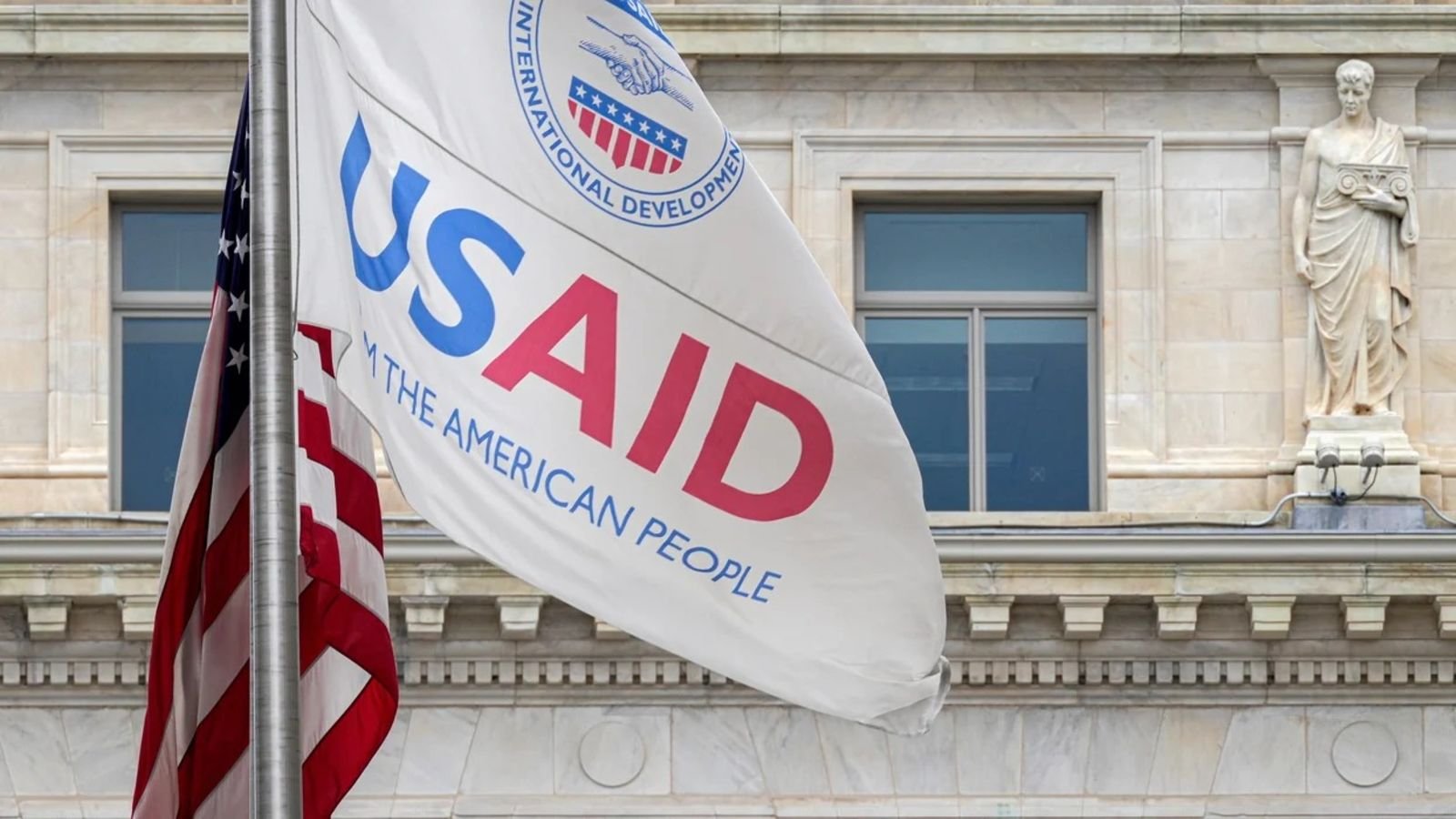
Tanzania’s economy thrives on over $3 billion in annual foreign aid, fueling infrastructure, health, and poverty alleviation. Yet, heavy reliance on donors risks weakening government accountability and domestic revenue systems. Discover how Tanzania can balance aid with fiscal reforms to secure sustainable growth and a stronger social contract.
I recently came across a TikTok user who bluntly remarked that “when governments receive foreign aid, they don’t have to be in tune with the people,” the statement captured a long-running tension in Tanzania’s and probably Africa's economy: the delicate balance between donor support and domestic accountability.
Tanzania remains one of Africa’s largest aid recipients, drawing in more than $3 billion annually from multilateral lenders and bilateral partners. Those funds have financed everything from highways to health clinics. But they have also raised an uncomfortable question: does reliance on external financing reduce incentives for governments to build stronger links with their citizens through taxation and service delivery?
Aid as Economic Engine
There is no doubt about aid’s contribution to Tanzania’s growth story. Donor-backed programs have accelerated access to clean water, expanded electricity grids, and supported food security. The Productive Social Safety Net, a flagship cash transfer scheme supported by the World Bank and bilateral donors, lifted household consumption and improved education outcomes in rural areas. For millions of Tanzanians living below the poverty line, aid-funded interventions provided an essential buffer.
Tourism, agriculture, and infrastructure development, three pillars of Tanzania’s GDP have also benefited directly. From ports in Dar es Salaam, airports in Kilimanjaro to rural feeder roads in Iringa, aid has financed the arteries of commerce that connect smallholder farmers and international markets.
The Risk of Dependency
Yet the macroeconomic question persists. Tanzania collects roughly 11–12% of GDP in domestic revenue, well below the African average of 15–18%. By relying heavily on donor flows to plug fiscal gaps, the government avoids some of the political friction that comes with broadening the tax base or formalizing the vast informal sector. In economic terms, aid becomes a substitute for structural reform.
Economists call this the “aid–accountability trap.” When aid finances essential services, citizens may feel less urgency to demand accountability from the state, while governments can defer politically sensitive reforms like widening the VAT net, tightening customs, or overhauling property taxation.
Shifting Incentives
The challenge for Tanzania is not whether to accept aid, but how to design it so that it strengthens domestic capacity rather than replaces it. That means:
- On-budget financing: Ensuring donor funds flow through the Treasury and are visible in parliamentary debates and public accounts.
- Linking aid to tax reforms: Donors can co-finance Tanzania Revenue Authority programs that expand the tax base, especially in the growing service and digital economy.
- Local oversight: Cash transfers and community programs work best when citizens can verify beneficiaries, reducing leakage and boosting trust.
The government has already begun experimenting with fiscal decentralization, including efforts to improve property tax collection in Dar es Salaam and Arusha. Coupling those reforms with donor support could lock in long-term sustainability.
The Geopolitical Context
Foreign aid also carries geopolitical weight. Tanzania balances relationships between Western donors, China, and emerging Gulf financiers. Infrastructure funding, in particular, is increasingly shaped by Beijing-backed concessional loans and regional development banks. While diversification of financing reduces risk, it also underscores the importance of negotiating from a position of fiscal strength. A government dependent on aid from any source has less leverage in policy design.
The Path Forward
President Samia Suluhu Hassan’s administration has signaled commitment to economic reforms, including attracting foreign direct investment and improving the business environment. But achieving the government’s ambitious target of making Tanzania a middle-income country with a trillion-dollar economy by 2050 will require a gradual pivot away from aid dependency.
That means raising domestic revenue, deepening capital markets, and ensuring that aid, while still vital, is catalytic, not permanent. Tanzania must leverage foreign assistance to modernize agriculture, industrialize, and expand exports, while simultaneously building the fiscal systems that tie government closer to its people.
The TikTok comment may have been blunt, but it pointed to an economic reality: aid can cushion poverty today but may weaken the social contract tomorrow. The task for Tanzania is to make foreign aid an accelerator of reforms, not a substitute for them.
If Dar es Salaam succeeds, the next generation of Tanzanians will not measure their government’s legitimacy by the size of donor inflows, but by the state’s ability to deliver growth, stability, and opportunity on its own terms.
