
Why Auditing Public Projects Matters for Economic Stability
Ready
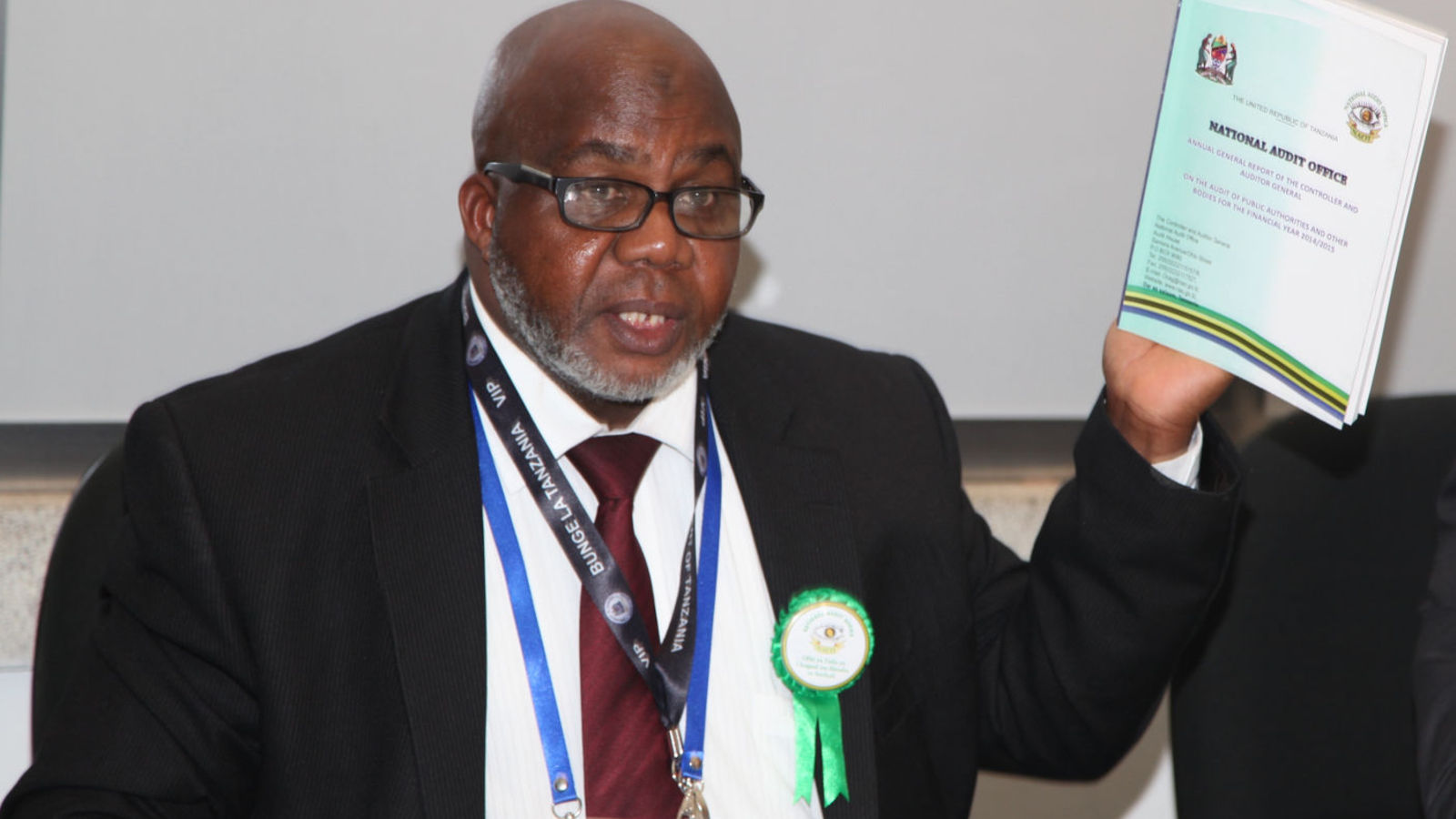
By strengthening auditing systems, Tanzania can safeguard public funds, enhance transparency, build citizen trust, and ensure that investments in infrastructure and social services translate into tangible improvements in prosperity for all citizens.
Linking Oversight to Economic Health
Tanzania invests heavily in public projects, including roads, bridges, schools, hospitals, water systems, and energy infrastructure. These investments aim to spur economic growth, improve living standards, and enhance national competitiveness. However, without proper auditing and oversight, public funds risk being misused, delayed, or inefficiently allocated. Weak project auditing undermines economic stability, erodes public trust, and threatens sustainable development. Ensuring robust oversight mechanisms is therefore not optional; it is a strategic necessity for the country’s fiscal health.
The Scale of Public Projects in Tanzania
Tanzania’s public investment strategy prioritizes infrastructure-led growth. Key initiatives include the Standard Gauge Railway (SGR), connecting Dar es Salaam with interior regions and neighboring countries, as well as power generation projects leveraging hydropower and natural gas. The government is also investing in road rehabilitation and expansion programs to link rural and urban areas, alongside social infrastructure projects such as schools, hospitals, and water and sanitation systems. These initiatives require billions of shillings in public funds, making rigorous auditing essential to prevent financial leakages and ensure value for money.
Why Auditing Public Projects Matters
Auditing public projects serves multiple critical purposes. First, it ensures accountability, verifying that government officials and contractors use funds as intended. Without oversight, corruption, inflated costs, and substandard work can go unchecked, wasting taxpayers’ money. Second, audits enhance transparency, providing parliament, investors, and citizens with clear information on project status, expenditures, and challenges. Transparency strengthens confidence in government and encourages private-sector participation.
Auditing also protects macroeconomic stability. Uncontrolled spending or corruption can exacerbate government debt, increase fiscal deficits, and create inflationary pressures. Audits ensure that public expenditure aligns with revenue capacity, reducing economic risks. Finally, audits improve project quality and timeliness by identifying delays, mismanagement, or planning gaps, enabling corrective actions that ensure projects finish on schedule and deliver maximum socio-economic benefits.
Common Challenges in Public Project Auditing in Tanzania
Despite its importance, auditing faces significant challenges. The Controller & Auditor General (CAG) office often has limited staffing and capacity to handle the scale and complexity of public projects. Project managers may submit incomplete or inaccurate reports, while political interference can delay audits or the implementation of recommendations. Weak enforcement mechanisms further reduce the effectiveness of audits. These gaps increase the risk of corruption, project failure, and economic inefficiency, undermining public trust and fiscal discipline.
How to Strengthen Auditing for Economic Stability
Tanzania can enhance project auditing through several strategic actions. Increasing auditor capacity by recruiting and training personnel, including specialists in infrastructure, ICT systems, and public-private partnerships, is essential. Implementing digital tracking systems such as e-procurement platforms, GPS monitoring, and integrated project management software enables real-time audit monitoring. It is also critical to enforce recommendations through legal frameworks that penalize mismanagement and ensure audit findings result in actionable reforms. Finally, promoting public engagement by publishing accessible audit reports and encouraging civil society and media oversight strengthens accountability and pressure for compliance.
Conclusion: Auditing Is Not Optional, It’s Strategic
For Tanzania, auditing public projects is more than a bureaucratic requirement. It is a strategic tool that ensures economic stability, fiscal discipline, and sustainable growth. By strengthening auditing systems, Tanzania can safeguard public funds, enhance transparency, build citizen trust, and ensure that investments in infrastructure and social services translate into tangible improvements in prosperity for all citizens.
 Uchumi360
Business Intelligence
Uchumi360
Business Intelligence
Uchumi360 covers business, investment, and economic policy across East, Central, and Southern Africa.
For the serious reader
You read to the end. That places you in a small group.
Uchumi360 is built for readers who demand precision over speed, structure over sentiment, and analysis that holds uncomfortable conclusions rather than softening them. If this work sharpens how you think about Africa's economy, help us keep building the infrastructure behind it.
Institutional Partners
Commission intelligence. Shape the conversation.
Uchumi360 works with development finance institutions, investment firms, sovereign bodies, and strategic organisations across the coverage region. Institutional partnership unlocks:
- Commissioned sector and country intelligence reports
- Branded research series under your institution's authority
- Exclusive data briefings for internal strategy teams
- Speaking and editorial presence at Uchumi360 events
- Co-published investment outlooks for your markets
Support Our Work
Independent analysis has a cost. Help us bear it.
Uchumi360 does not carry advertising. It does not take editorial direction from sponsors. Every article is produced without commercial compromise. Your contribution funds the reporting, research, and editorial infrastructure that keeps this analysis free from influence.
Secure checkout: One-time and monthly support are processed securely.
Stay Connected
Keep up with every new insight.
Follow our latest analysis, policy coverage, and market intelligence as soon as it is published. If you need something specific, reach out directly and we will point you to the right research.
