

Agricultural Reforms and Food Self-Sufficiency: Implications for Tanzania’s GDP (2025–2030)
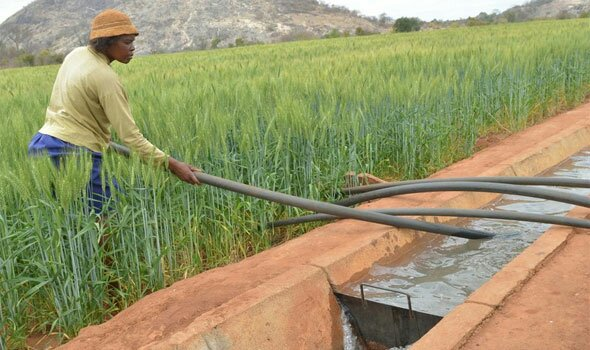
2030 Target: 5 million hectares under irrigation, enabling multiple cropping cycles, higher yields, and climate resilience.
Tanzania’s agricultural sector is undergoing a strategic transformation aimed at enhancing food security, boosting exports, and driving GDP growth. With reforms focused on irrigation, mechanization, and market expansion, the sector is set to play a pivotal role in the country’s economic future.
Irrigation Expansion: Toward 5 Million Hectares by 2030
- Current Progress: From 727,280 hectares in 2024 to 1.2 million hectares by 2025, the government is steadily expanding irrigation coverage.
- 2030 Target: 5 million hectares under irrigation, enabling multiple cropping cycles, higher yields, and climate resilience.
- Impact on GDP: According to the African Development Bank, full implementation could contribute 1–2% annual GDP growth while reducing reliance on food imports and stabilizing prices.
Mechanization: Boosting Productivity and Efficiency
- Current Trends: Small tractors and modern machinery adoption is increasing, improving efficiency, reducing labor dependency, and cutting post-harvest losses.
- 2030 Projection: Widespread mechanization could allow farmers to cultivate larger areas more effectively, supporting large-scale commercial agriculture.
- Impact on GDP: Greater mechanization is projected to raise crop yields by 30–50%, translating into higher agricultural output and exportable surplus.
Export Potential: Expanding Regional and Global Markets
- Current State: Tanzania is leveraging improved productivity to increase exports of maize, rice, cassava, and horticultural products within East Africa.
- 2030 Outlook: With irrigation, mechanization, and better logistics, Tanzania could become a regional food hub, capturing markets in Kenya, Uganda, Rwanda, and the DRC.
- Economic Impact: Boosting exports could generate $2–3 billion annually in foreign exchange by 2030, strengthening GDP and supporting industrial linkages in agro-processing.
Supporting Initiatives
- SME Support: Loans targeting women, youth, and disabled farmers (TZS 240.9 billion in 2025) are fostering local production and entrepreneurship.
- Infrastructure Investments: Roads, storage, and processing facilities reduce post-harvest losses, improve market access, and increase farm profitability.
- Policy Reforms: Land-use regulations, input subsidies, and crop insurance are improving resilience and incentivizing long-term investment.
Conclusion
By 2030, Tanzania’s agricultural sector has the potential to transform the economy. Strategic irrigation expansion, mechanization, and export-oriented growth can:
- Enhance food self-sufficiency and reduce imports.
- Increase GDP contribution from agriculture by 2–3%.
- Generate jobs, stimulate agro-industrial development, and strengthen regional trade.
Tanzania’s path to 2030 demonstrates that a holistic, data-driven agricultural strategy is central to achieving Vision 2050 goals, ensuring economic growth, food security, and prosperity for all citizens.
