

Assessing Tanzania’s Public Wage Bill Sustainability
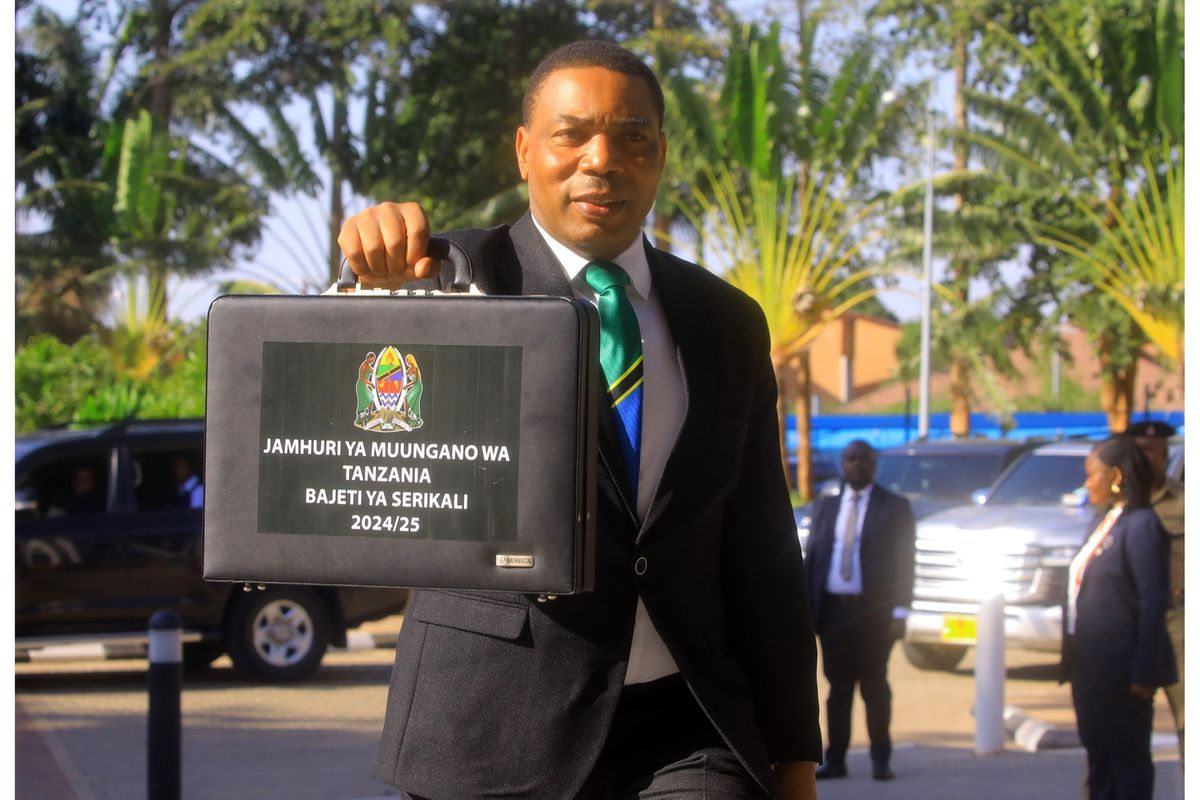
The answer has implications for budget allocation, development priorities, and overall economic stability.
Tanzania’s public sector wage bill consumes a substantial share of government spending. As the country expands access to education, healthcare, and security services, public employment continues to grow, reflecting the government’s commitment to providing essential services. However, the rapid expansion of salaries and allowances raises a critical question for fiscal policymakers: Is Tanzania’s wage bill sustainable in the long term?
Understanding the Wage Bill Structure
The wage bill encompasses salaries and benefits for a wide range of public employees, including teachers, doctors, nurses, military and police personnel, local government staff, central government ministries, and numerous public agencies and authorities. Tanzania’s growing population drives higher demand for public services, which in turn increases staffing requirements across sectors. While expanding the workforce is necessary to meet social needs, it also places pressure on national finances, especially when payroll growth outpaces revenue collection.
The Fiscal Challenge
A wage bill that grows faster than government revenue can strain Tanzania’s public finances. Excessive payroll obligations reduce funds available for development projects, widen fiscal deficits, and increase the need for domestic and external borrowing. Social spending may be compromised, limiting the government’s ability to invest in infrastructure, health, and education. Ensuring that the wage bill remains proportionate to available resources is therefore critical for maintaining fiscal sustainability and avoiding long-term economic imbalances.
Key Drivers of Wage Bill Expansion
Several factors drive the expansion of Tanzania’s wage bill. Education sector growth, including the hiring of teachers for new schools, contributes significantly to salary obligations. The health sector also requires more personnel as hospitals, clinics, and community health programs expand to meet population needs. Administrative reforms often create new agencies or authorities, each with its own payroll, adding further pressure. Additionally, complex allowance and benefits structures in certain sectors increase total compensation beyond base salaries. Collectively, these drivers highlight that wage bill growth is influenced not only by headcount but also by structural and policy choices.
Is the Wage Bill Too High?
The challenge is not simply the size of the wage bill, but the efficiency and productivity of public sector spending. Key questions include: Are all employees productive? Are there overlapping or redundant institutions? Can digitalization reduce staffing requirements without affecting service delivery? Are resources allocated to sectors that most impact development outcomes? For the wage bill to be sustainable, growth must reflect genuine service needs and productivity improvements rather than political pressures or ad hoc recruitment.
What Tanzania Should Do
To maintain a sustainable wage bill, Tanzania should pursue continuous modernization and efficiency reforms. Digitizing government operations can reduce redundant roles and improve service delivery. Performance-based pay systems should reward productivity and effectiveness. Overlapping agencies can be merged to streamline administration and reduce unnecessary payroll costs. Prioritizing staffing in critical sectors such as health, education, and security ensures that resources generate maximum social impact. Enhanced payroll audits are essential to eliminate ghost workers and ensure accurate compensation.
Conclusion
Tanzania’s public wage bill remains manageable, but its sustainability requires ongoing review, modernization, and efficiency improvements. By aligning payroll growth with productivity, embracing digital solutions, and focusing on strategic sectors, the government can ensure long-term fiscal stability while continuing to expand essential public services.
