

GDP vs. Real Living Standards: Is Tanzania Measuring Progress Well?
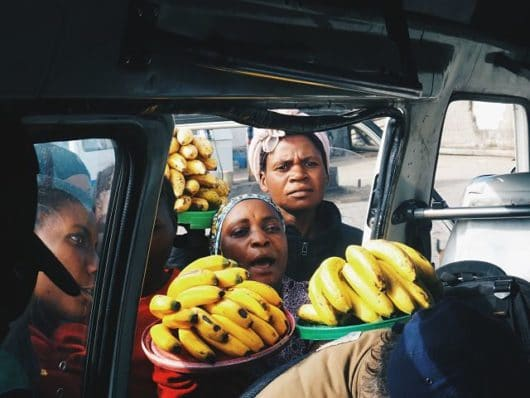
Tanzania has recorded steady GDP growth over the past decade, driven by sectors like mining, telecommunications, construction, and agriculture. However, GDP growth alone does not reveal whether households are experiencing improved living conditions.
Growth vs. Reality on the Ground
Gross Domestic Product (GDP) is the most widely cited measure of economic performance. Policymakers, investors, and international organizations often use it to gauge whether a country is growing. Tanzania has recorded steady GDP growth over the past decade, driven by sectors like mining, telecommunications, construction, and agriculture.
However, GDP growth alone does not reveal whether households are experiencing improved living conditions. Many Tanzanians still face rising costs of food, limited job opportunities, informal employment, and inadequate access to essential services. This raises a critical question: Is GDP really capturing what matters most the real well-being of Tanzanians?
1. GDP Does Not Capture Inequality
GDP measures the total value of goods and services produced in a country, but it does not indicate how wealth is distributed. Growth can occur even if only a small portion of the population benefits.
For instance, Tanzania’s mining sector generates significant revenue and exports, but employs relatively few people. Large construction projects and telecom expansions may increase GDP but concentrate profits among investors and highly skilled workers. Meanwhile, rural households or informal workers may see little improvement in income or access to services.
Without considering inequality, policymakers risk assuming progress is widespread when it is not. Complementary indicators are needed to assess who truly benefits from growth.
2. Cost of Living Is Rising Faster Than Income for Many
Even when GDP rises, real living standards can decline if household incomes do not keep pace with rising prices. Key pressures in Tanzania include:
- Food prices that fluctuate due to droughts, transport costs, or import dependencies.
- Urban rent increases as cities like Dar es Salaam and Dodoma grow rapidly.
- Rising costs of transportation, education, and healthcare.
Surveys tracking household income and expenditures are essential to understand purchasing power and the real impact of economic growth on everyday life. Without this, GDP growth can paint a misleading picture of prosperity.
3. Large Informal Sector Distorts GDP Accuracy
Over 70% of Tanzanians work in the informal economy, small-scale trading, casual labour, artisanal production, and subsistence farming. GDP calculations often underestimate or exclude informal activity, because it is unrecorded and irregular.
Informal workers have seasonal incomes, fluctuating earnings, and limited banking records, meaning their economic contributions are hard to quantify. Relying solely on GDP risks ignoring the true scale of economic activity and the needs of the majority of Tanzanians.
4. GDP Ignores Household Well-Being Indicators
Economic growth measured in monetary terms cannot capture non-financial dimensions of well-being. Critical factors that shape quality of life include:
- Nutrition and food security
- Safety and security in communities
- Quality of education and health services
- Access to clean water, sanitation, and electricity
- Adequate housing and transport infrastructure
These are real-life conditions that determine whether citizens are truly better off. Growth in GDP without improvements in these areas may leave households vulnerable despite a seemingly strong economy.

5. Alternative Indicators Tanzania Should Track
To gain a more complete understanding of progress, Tanzania should strengthen data collection on:
- Household income and expenditure surveys to monitor real purchasing power.
- Multidimensional poverty index capturing health, education, and living standards.
- Youth employment rates to assess labour market inclusivity.
- Median wages to measure typical earnings rather than averages skewed by high earners.
- Affordable housing index to monitor shelter accessibility.
- Cost-of-living tracking for food, utilities, transport, and education.
- Access to essential services like healthcare, schools, water, and sanitation.
These indicators complement GDP and show whether economic growth translates into improved well-being for ordinary Tanzanians.
6. The Role of Government Data Transparency
Reliable and timely data is critical for accountability and informed decision-making. When the government shares detailed economic and social reports regularly, it allows:
- Citizens to understand the real state of the economy.
- Policymakers to design targeted interventions.
- Investors to assess market conditions accurately.
- Researchers and civil society to provide evidence-based recommendations.
Transparency in statistics ensures that growth is evaluated not just by GDP, but by actual human development outcomes.
Conclusion: GDP Is Necessary, But Not Enough
GDP is an important measure of national economic activity, but it is insufficient on its own to capture Tanzanians’ real living standards. True progress occurs when growth translates into better access to food, housing, education, healthcare, and employment opportunities.
Tanzania should continue tracking GDP while developing complementary indicators on income distribution, household well-being, cost of living, and access to services. Only then can policymakers and investors accurately measure whether economic growth is inclusive, sustainable, and meaningful for citizens’ lives.