

Unlocking Economic Potential: How JKT and Prisons Can Drive Tanzania’s Growth
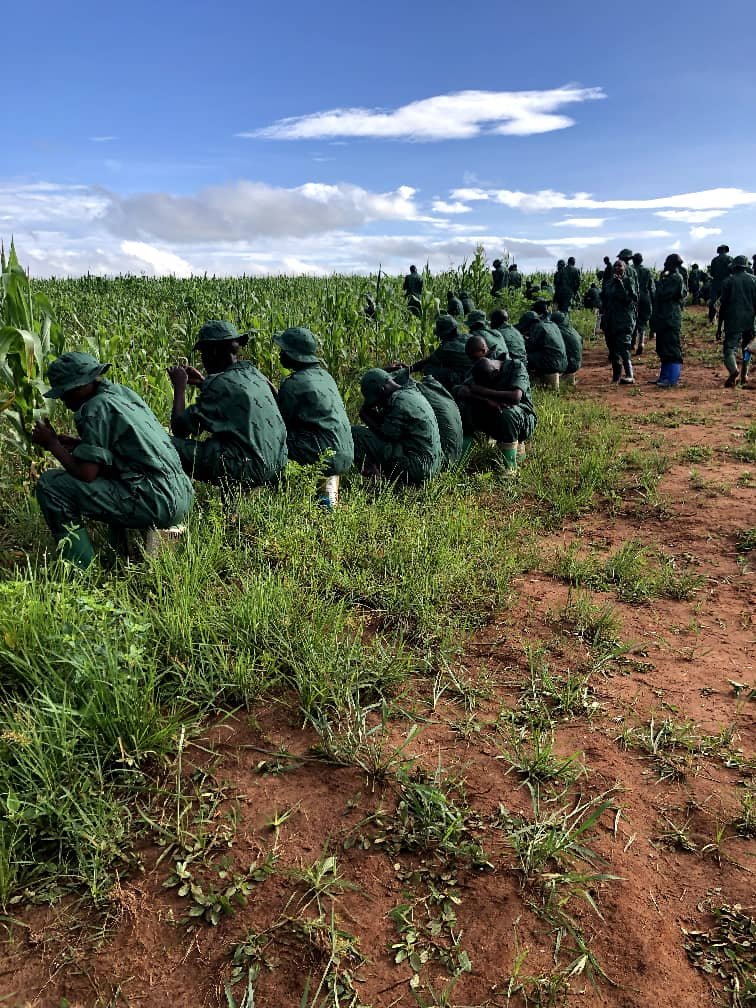
By investing in agriculture, dairy, poultry, fish farming, and vocational industries, these institutions will not only boost Tanzania’s economy but also empower youth and rehabilitate inmates, building a more inclusive and sustainable future.
Tanzania’s economy is growing fast, but many opportunities remain untapped. Two institutions Jeshi la Kujenga Taifa (JKT) and the Prisons Department hold the potential to contribute to national development if strategically aligned with modern, ethical, and inclusive practices. From agriculture, dairy, poultry, and fish farming to agro-processing, these institutions can be transformed into engines of productivity without harming or exploiting youth in JKT or inmates in prisons.
The Role of JKT in Economic Development
1. Agriculture and Food Security
JKT has vast land across Tanzania, making it ideal for large-scale and climate-smart farming.
- Strategy: Establish demonstration farms for staple crops (maize, cassava, rice, legumes, vegetables) while integrating sustainable practices like irrigation, crop rotation, and soil conservation.
- Impact: Food supply for JKT camps, surplus for schools, markets, and national reserves.
2. Dairy Farming with Hybrid Cattle
JKT is well-positioned to modernize Tanzania’s dairy industry.
- Strategy: Introduce hybrid cattle breeds (crossing local resilient breeds with high-yield dairy types).
- Focus: Zero-grazing units, fodder cultivation, and milk processing facilities.
- Impact: Increase local milk supply, reduce imports, and train youth in modern livestock management.
3. Poultry and Livestock Development
- Strategy: Develop poultry houses for egg and broiler production, supported by feed formulation and vaccination programs.
- Impact: Create jobs, improve nutrition, and supply eggs/meat to institutions and local markets.
4. Fish Farming and Aquaculture
Fish is one of the fastest-growing protein sources in Tanzania. JKT has land and water bodies suitable for aquaculture.
- Strategy: Establish tilapia and catfish ponds, train youth in pond management, hatchery operations, and fish feed formulation.
- Impact: Contribute to national fish demand, supply institutions with affordable protein, and reduce overfishing pressure on natural water bodies.
5. Beyond Agriculture
- Carpentry, construction, solar installation, ICT, and tailoring can become structured vocational training hubs.
- Strategy: Partner with private sector and government procurement (schools, hospitals, and security agencies).
- Impact: Skills certification for youth, reducing unemployment after JKT service.
The Role of Tanzania Prisons in Economic Development
1. Rehabilitation Through Agriculture
Prisons can be transformed into rehabilitation farms rather than punishment centers.
- Strategy: Cultivate food crops and establish vegetable and fruit nurseries.
- Impact: Food self-sufficiency for prisons, surplus sales to local communities, and skill-building for inmates.
2. Dairy and Poultry Enterprises
- Strategy: Introduce dairy units with hybrid cattle, alongside poultry for egg and broiler production.
- Impact: Inmates gain certified training in animal husbandry and food processing, improving reintegration chances.
3. Fish Farming and Processing
Prisons can integrate aquaculture into rehabilitation programs.
- Strategy: Build small fish ponds for tilapia and catfish, combined with training in fish smoking, drying, and packaging.
- Impact: Generate income, provide inmates with aquaculture and processing skills, and supply fish to local schools and markets.
4. Agro-Processing Units
- Strategy: Small-scale processing (cassava flour, peanut butter, dried fruits, milk pasteurization, fish smoking).
- Impact: Value addition creates higher income streams and skills transferable to post-release employment.
5. Other Sectors for Reintegration
- Tailoring workshops for uniforms, carpentry for school furniture, and vocational courses in construction or solar energy.
- Strategy: Link with SIDO, TVET colleges, and private buyers for certification and product markets.
- Impact: Reduce recidivism by preparing inmates for meaningful jobs.

Both JKT and prisons must follow ethical principles:
- Voluntary participation - no forced labour.
- Fair compensation, wages, stipends, or savings accounts.
- Skills certification, all training linked to recognized institutions (VETA, TVET).
- Rehabilitation focuses on mental health support, safety standards, and reintegration planning.
- Transparency and accountability, independent monitoring, community engagement, and clear reporting.
Why This Matters for Tanzania’s Economy
- Food Security: Reduce dependence on imports (milk, poultry, fish, processed foods).
- Youth Empowerment: JKT becomes a launchpad for employable, entrepreneurial citizens.
- Rehabilitation with Dignity: Prisons shift from punishment to productivity, lowering recidivism.
- Industrial Growth: Agro-processing creates higher value chains, local brands, and export potential.
- Job Creation: Every initiative translates to skills, income, and employment pathways.
The Way Forward
- JKT Strategy: Expand structured agribusiness, fish farming, and vocational hubs, integrate modern livestock and processing, and build partnerships with private buyers and government agencies.
- Prisons Strategy: Establish rehabilitation enterprises focusing on agriculture, dairy, poultry, fish farming, and value addition with certification and reintegration programs at the centre.
- National Strategy: Create a Joint Economic Development Framework linking JKT, prisons, ministries, and private sector players to accelerate implementation.
Bottom Line
With the right policies and safeguards, JKT and the Tanzania Prisons Department can transform from cost centres into productive economic players. By investing in agriculture, dairy, poultry, fish farming, and vocational industries, these institutions will not only boost Tanzania’s economy but also empower youth and rehabilitate inmates, building a more inclusive and sustainable future.
