
Agriculture's Pivot: From Subsistence to Export Powerhouse by 2030
Ready
The CCM 2025 manifesto expands irrigation to 983,466 hectares, aiming for 5 million by 2030 with 10,000 tractors, targeting $10 billion in exports. Climate risks and funding gaps test this agricultural transformation.
By Uchumi360 Economics Desk
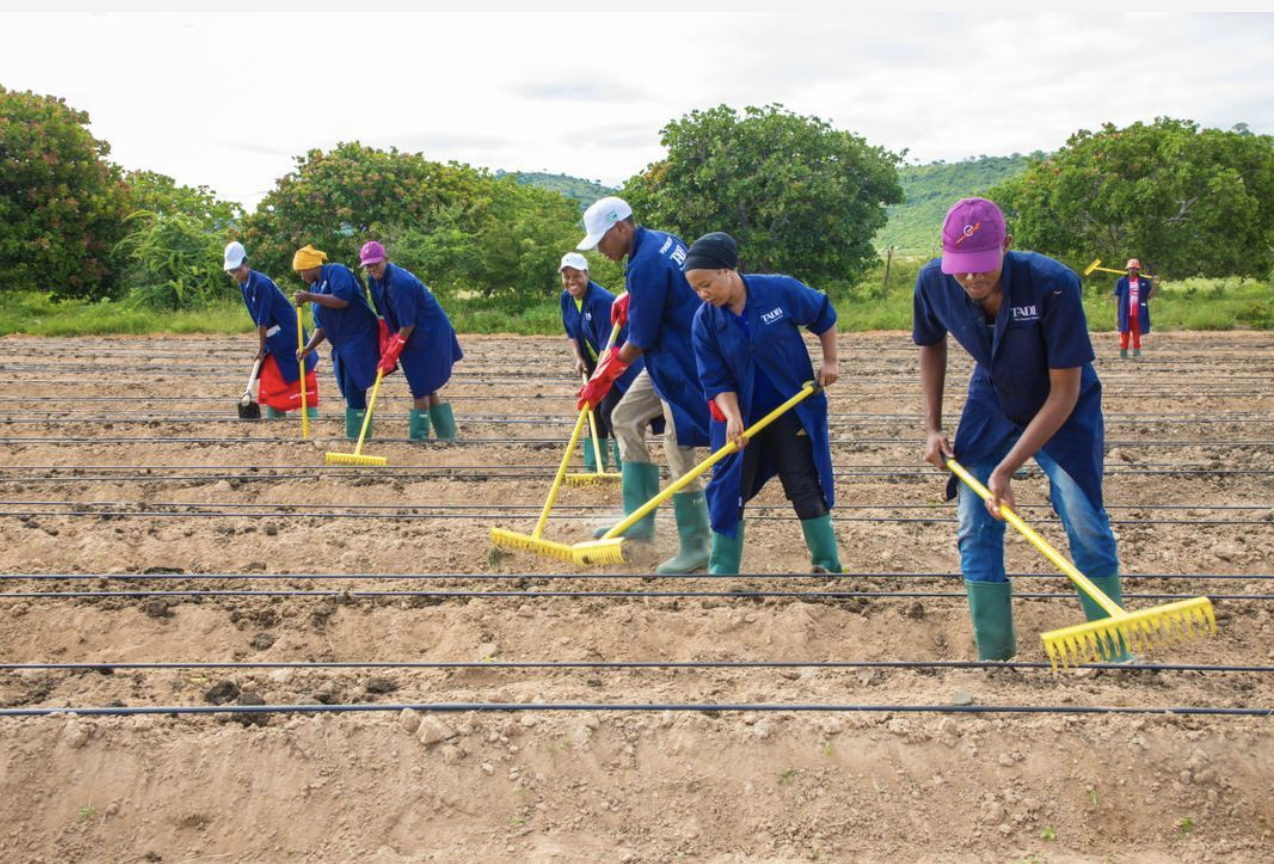
DAR ES SALAAM — As Tanzania charts its economic course into 2025, the Chama Cha Mapinduzi (CCM) party's manifesto positions agriculture as a pivot from subsistence to a global export powerhouse. With irrigation coverage expanding from 561,383 hectares in 2020 to 983,466 hectares in 2024, boosting food self-sufficiency to 128%, the manifesto targets 5 million hectares by 2030, supported by 10,000 tractors on credit. This shift aims to lift export revenues from $6 billion in 2024 to $10 billion, transforming rural livelihoods. But can this vision overcome climate vulnerabilities and funding shortfalls?
The sector’s foundation reflects steady progress. Maize yields rose 18% and rice 22% since 2020, driven by mechanization and fertilizer subsidies that cut costs 10% in 2023, per the Ministry of Agriculture. This has stabilized food prices, keeping inflation at 3.1% in 2024, and supported 65% of Tanzania’s workforce. The Food and Agriculture Organization (FAO) estimates agricultural GDP growth at 5.5% annually, aligning with the manifesto’s narrative, though smallholder productivity lags at 1.5 tons per hectare compared to Kenya’s 2.5 tons. The CCM’s introduction of 5,000 tractors since 2020 has mechanized 5% of farms, a modest but growing base.
Looking ahead, the pivot to exports is ambitious. The manifesto outlines 15 new processing factories for coffee, tea, and cashews by 2030, aiming to add $4 billion to forex earnings. The blue economy initiative targets fish production to grow from 800,000 tons in 2025 to 2 million tons, with clove and seaweed exports projected at $500 million annually. Economic multipliers suggest every 1% growth lifts 1.5% of the population out of poverty, potentially reducing Tanzania’s 26% poverty rate by 5-7%, per African Development Bank projections. Value addition, processing 40% of crops locally, could cut raw export reliance, mirroring Rwanda’s 30% processed coffee success.
Technology and finance are key enablers. Satellite monitoring for weather and AI-driven soil analysis, as planned, align with Green Revolution principles, promising 20% yield gains. Low-interest loans via a $1 billion credit facility aim to scale 200,000 smallholders, while 33 new markets and 34 bus stands enhance trade under AfCFTA. The Tanzania Private Sector Foundation (TPSF) reports a 20% income rise in pilot regions, suggesting a scalable model. The East African Community (EAC) Secretariat notes regional demand could absorb $2 billion in exports by 2027 if tariffs drop 20%.
Challenges are formidable. Climate change, with 2023’s El Niño drought slashing output 15%, threatens gains, per FAO data. The manifesto’s irrigation expansion requires $2 billion annually, straining Tanzania’s 40% debt-to-GDP ratio, with only $500 million secured from the World Bank. Land tenure disputes affect 30% of arable land, per UN Habitat, while mechanization remains low, 95% of farmers lack tractors. Kenya’s 7% agricultural growth sets a regional benchmark, pressuring Tanzania to accelerate.
Despite hurdles, the potential is vast. The International Monetary Fund (IMF) projects exports could reach 25% of GDP by 2030, up from 18%, creating 2 million jobs. President Samia Suluhu Hassan’s pledge to “ensure food security and empowerment” resonates with rural voters, where 70% lack reliable water.
If CCM navigates climate and funding, Tanzania could become East Africa’s breadbasket by 2030, reaping a $10 billion export harvest.
 Uchumi360
Business Intelligence
Uchumi360 covers business, investment, and economic policy across East, Central, and Southern Africa.
For the serious reader
You read to the end. That places you in a small group.
Uchumi360 is built for readers who demand precision over speed, structure over sentiment, and analysis that holds uncomfortable conclusions rather than softening them. If this work sharpens how you think about Africa's economy, help us keep building the infrastructure behind it.
Institutional Partners
Commission intelligence. Shape the conversation.
Uchumi360 works with development finance institutions, investment firms, sovereign bodies, and strategic organisations across the coverage region. Institutional partnership unlocks:
- Commissioned sector and country intelligence reports
- Branded research series under your institution's authority
- Exclusive data briefings for internal strategy teams
- Speaking and editorial presence at Uchumi360 events
- Co-published investment outlooks for your markets
Support Our Work
Independent analysis has a cost. Help us bear it.
Uchumi360 does not carry advertising. It does not take editorial direction from sponsors. Every article is produced without commercial compromise. Your contribution funds the reporting, research, and editorial infrastructure that keeps this analysis free from influence.
Secure checkout: One-time and monthly support are processed securely. Add payment credentials to enable checkout here.
Stay Connected
Keep up with every new insight.
Follow our latest analysis, policy coverage, and market intelligence as soon as it is published. If you need something specific, reach out directly and we will point you to the right research.
