
Green Hydrogen in Tanzania: Unlocking Investment Potential and Strategic Advantage

Ready
With abundant renewable resources, growing infrastructure, and regional connectivity, the country has a strong foundation for this emerging sector.
The global energy landscape is undergoing a profound shift. As nations accelerate decarbonization, green hydrogen produced via renewable-powered electrolysis has emerged as a cornerstone of the future low-carbon economy. Tanzania, with its abundant renewable energy resources and strategic geographic position, is uniquely poised to become a key player in this emerging sector. This analysis explores the country’s potential, investment prospects, and the strategic steps needed to realize this opportunity.
What Is Green Hydrogen and Why It Matters
Green hydrogen is produced by splitting water into hydrogen and oxygen using renewable energy sources such as solar, wind, hydropower, or geothermal. Unlike conventional hydrogen production methods, it emits zero direct carbon, making it vital for sectors that are difficult to electrify, including heavy industry, shipping, fertilizer production, and energy storage.
The global demand for green hydrogen is projected to grow rapidly, potentially more than doubling by 2030, driven by international climate commitments and the need for decarbonized energy solutions. For countries with low-cost renewable energy, this represents both a domestic industrial opportunity and a potential export commodity in a low-carbon global economy.
Tanzania’s Renewable Energy Foundation
Tanzania’s renewable energy endowment provides a strong foundation for green hydrogen development:
- Solar Energy: With 2,800–3,500 hours of sunshine annually, Tanzania offers high potential for large-scale solar PV deployment.
- Wind Energy: Sites like Kititimo and Makambako demonstrate promising wind speeds suitable for power generation.
- Hydropower and Geothermal: Existing hydropower capacity is complemented by approximately 650 MW of identified geothermal potential in the Rift Valley.
Combined, these resources provide a robust platform for renewable-powered hydrogen electrolysis, a critical component of green hydrogen production.
Additionally, Tanzania’s location on the Indian Ocean, with major ports including the upcoming Bagamoyo Port, positions it as a strategic export hub to Europe and Asia.
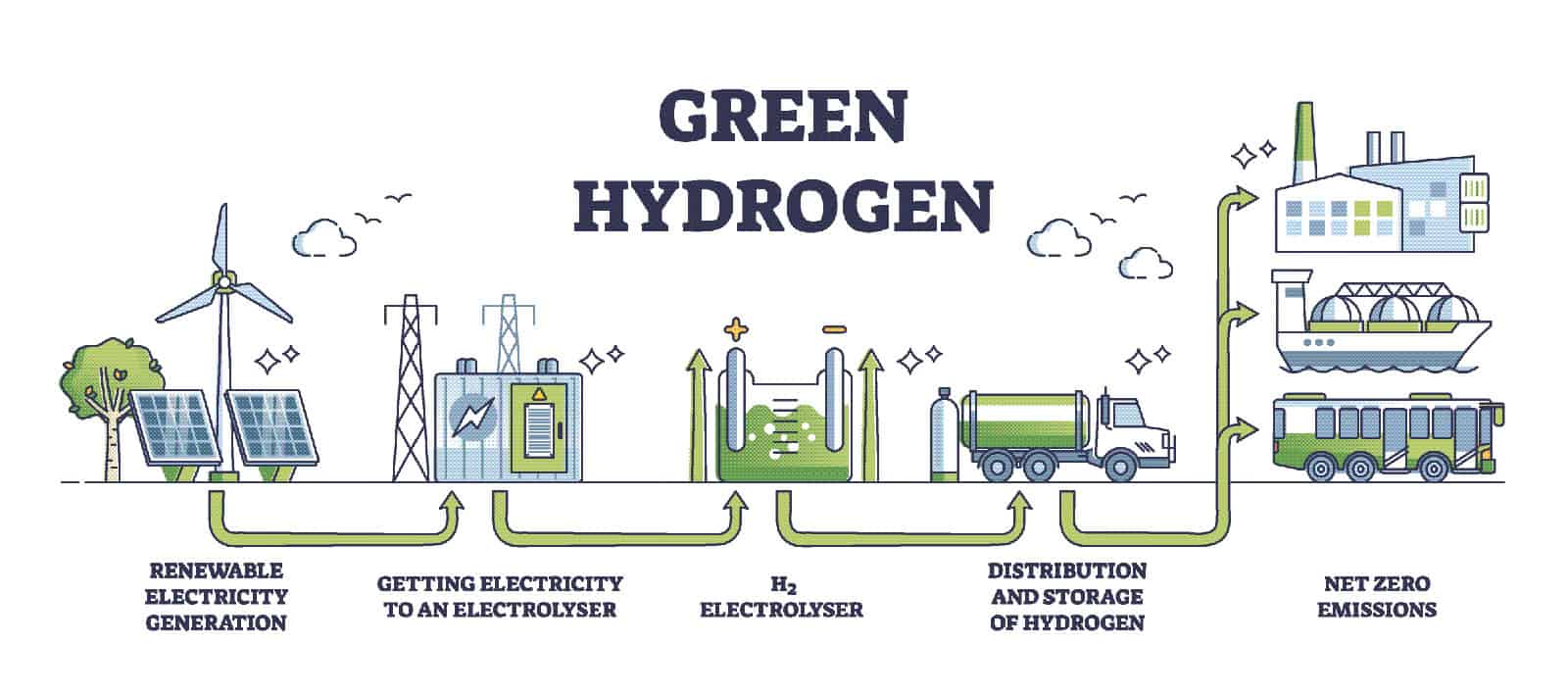
Currently, Tanzania does not have a dedicated green hydrogen policy, though broader renewable energy and decarbonization policies exist. Targeted policy measures for hydrogen, such as production incentives, safety standards, and offtake frameworks, are still in development.
While this gap poses challenges, it also presents a strategic opportunity for forward-looking investors and policymakers to co-create frameworks that encourage scalable hydrogen investment.
Investment Prospects
Tanzania offers several avenues for green hydrogen investment:
Pilot and Demonstration Projects
Early-stage projects, with investments ranging from $5–50 million, can validate technology and market readiness.
Renewable Energy and Electrolysis Infrastructure
Large-scale solar, wind, and geothermal plants paired with electrolysers are essential to produce competitive green hydrogen. With robust renewable deployment, Africa could achieve cost curves below €2.30/kg by 2050 — making Tanzania competitive on a global scale.
Shipping and Maritime Fuel
Collaboration between the Zero Emissions Ship Technology Association (ZESTAs) and Tanzania’s Environment and Empowerment Movement (TEEMO) highlights potential for green hydrogen as a marine fuel.
Synthetic Fuels and Export Integration
Green hydrogen can complement natural gas-based synthetic fuel projects, create low-carbon export products and add value across energy sectors.
Market Opportunities
Export Potential:
The global hydrogen economy is projected to expand substantially, offering Tanzania opportunities to supply low-cost renewable hydrogen and ammonia to international markets. Estimates suggest Africa could attract up to €1 trillion in hydrogen investment by 2035, with the potential to supply 15% of the EU’s gas-equivalent demand.
Domestic Applications:
Even before export, green hydrogen can support:
- Industrial decarbonization (fertilizers, methanol, steel production)
- Heavy transport and maritime fuel
- Grid energy storage and stability
- Job creation and technology skill development in green industries
Challenges and Risks
While potential is significant, Tanzania must address several challenges:
- Regulatory Gaps: Absence of hydrogen-specific frameworks and safety standards increases project risk.
- High Capital Costs: Green hydrogen is costlier than fossil alternatives, necessitating concessional financing or subsidies.
- Energy Infrastructure: Grid capacity and storage must expand to provide consistent power for electrolysis.
- Financing: Innovative mechanisms such as green bonds, development finance, guarantees, and structured offtake agreements are critical to de-risk investments.
Investment Drivers and Catalysts
Key factors that can accelerate green hydrogen investment in Tanzania include:
- Policy Incentives: Tax relief, streamlined permits, and regulatory certainty for hydrogen projects
- Market Signals: Long-term domestic and international offtake agreements
- International Finance: Concessional capital from development banks and climate funds
- Public-Private Partnerships: Collaborations between government, local firms, and foreign investors
- Capacity Building: Training the local workforce in hydrogen technologies, project management, and safety
Strategic Recommendations
To capture its green hydrogen potential, Tanzania should:
- Develop a National Hydrogen Roadmap: Aligning renewable deployment, industrial needs, and export strategy.
- Facilitate Pilot Projects: Using concessional financing and regulatory sandboxes to encourage early adopters.
- Integrate Hydrogen with Industry: Linking hydrogen production with fertilizer, shipping, and heavy industry decarbonization plans.
- Engage Global Value Chains: Leveraging bilateral and multilateral partnerships to access international markets.
Tanzania is strategically positioned to become a regional hub for green hydrogen production and export. With abundant renewable resources, growing infrastructure, and regional connectivity, the country has a strong foundation for this emerging sector. While policy frameworks and investment ecosystems are still evolving, proactive planning and strategic investment can unlock Tanzania’s potential, contributing to sustainable development, economic transformation, and a low-carbon future.
 Uchumi360
Business Intelligence
Uchumi360
Business Intelligence
Uchumi360 covers business, investment, and economic policy across East, Central, and Southern Africa.
For the serious reader
You read to the end. That places you in a small group.
Uchumi360 is built for readers who demand precision over speed, structure over sentiment, and analysis that holds uncomfortable conclusions rather than softening them. If this work sharpens how you think about Africa's economy, help us keep building the infrastructure behind it.
Institutional Partners
Commission intelligence. Shape the conversation.
Uchumi360 works with development finance institutions, investment firms, sovereign bodies, and strategic organisations across the coverage region. Institutional partnership unlocks:
- Commissioned sector and country intelligence reports
- Branded research series under your institution's authority
- Exclusive data briefings for internal strategy teams
- Speaking and editorial presence at Uchumi360 events
- Co-published investment outlooks for your markets
Support Our Work
Independent analysis has a cost. Help us bear it.
Uchumi360 does not carry advertising. It does not take editorial direction from sponsors. Every article is produced without commercial compromise. Your contribution funds the reporting, research, and editorial infrastructure that keeps this analysis free from influence.
Secure checkout: One-time and monthly support are processed securely. Add payment credentials to enable checkout here.
Stay Connected
Keep up with every new insight.
Follow our latest analysis, policy coverage, and market intelligence as soon as it is published. If you need something specific, reach out directly and we will point you to the right research.
