

Let’s Make Dar es Salaam the Home of Start-Up Capital
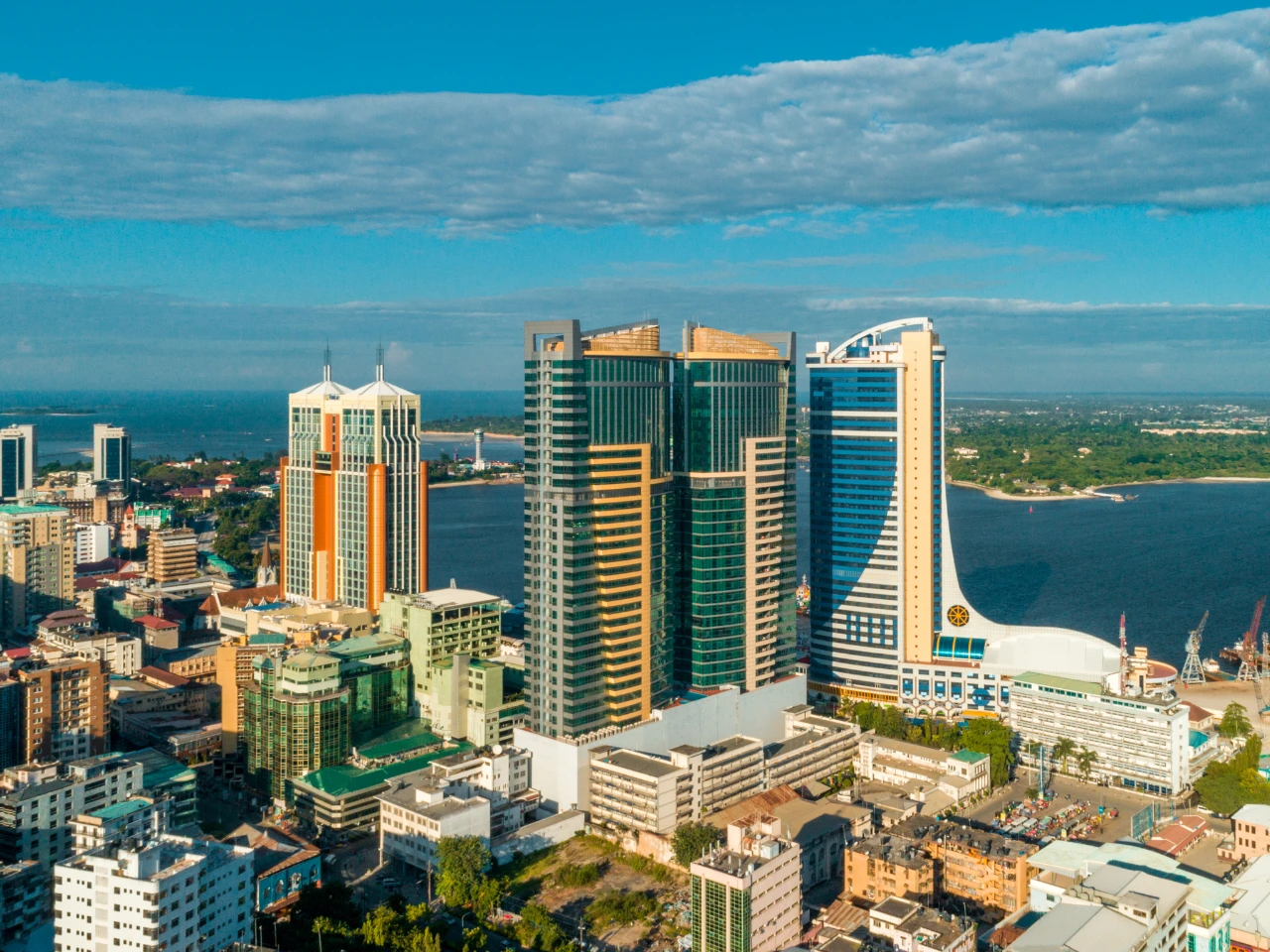
With over six million residents, rapid digital growth, and an expanding middle class, Dar has the perfect foundation to attract start-ups, investors, and global innovators. But potential alone isn’t enough. For Dar es Salaam to claim this title, we must build a system that empowers entrepreneurship, rewards innovation, and connects local ideas to global markets.
Dar es Salaam, the heartbeat of Tanzania, has the energy, ambition, and creativity to become East Africa’s start-up capital. With over six million residents, rapid digital growth, and an expanding middle class, Dar has the perfect foundation to attract start-ups, investors, and global innovators.
But potential alone isn’t enough. For Dar es Salaam to claim this title, we must build a system that empowers entrepreneurship, rewards innovation, and connects local ideas to global markets.
Access to Capital through Local Venture Funds
Start-ups can’t grow without money, and depending only on foreign investors limits growth.
Tanzania could:
- Encourage NMB, CRDB, NBC, and TIB to create innovation venture funds.
- Give tax incentives to angel investors who invest in Tanzanian start-ups.
- Build a Tanzania Start-Up Investment Fund supported by both public and private sectors.
Local investors understand local challenges and can take smarter, more flexible risks than international funds.
Tech-Driven Education and Entrepreneurial Skills
Dar needs a generation that can build, not just consume technology.
This can be done by:
- Partnering with universities (UDSM, UDOM, Ardhi, SUA) to create innovation and entrepreneurship courses.
- Expanding coding bootcamps like Buni Hub, She Codes for Change, and Sahara Sparks.
- Including entrepreneurship in secondary and college curriculums.
Countries like India and Kenya grew their start-up culture through education that linked classroom learning with business innovation.
Expand and Network Innovation Hubs
Spaces like Buni Innovation Hub, Seedspace, and Sahara Ventures have shown that creativity flourishes where young people meet and share ideas.
Dar could support:
- A “Hub per District” model public–private partnerships to open small innovation labs across the city.
- Annual start-up challenges linking innovators to investors and mentors.
Decentralizing innovation makes start-ups grow faster and keeps the ecosystem inclusive beyond city center elites.
Simplify Business Registration and Taxes
Complex regulations discourage small innovators.
Dar es Salaam could:
- Introduce a Start-Up Fast Track License (online registration within 48 hours).
- Offer 3-year tax holidays for start-ups earning below a defined revenue threshold.
- Integrate TRA, BRELA, and city permits into a single digital window.
Rwanda’s 6-hour business registration system has made Kigali a regional magnet for new companies. Dar can do the same.
Strengthen Regional and Global Market Access
Dar start-ups need markets beyond Tanzania.
We can leverage:
- AfCFTA (African Continental Free Trade Area) to reach 1.3 billion consumers.
- Port of Dar es Salaam as a gateway for tech logistics in East and Southern Africa.
- Trade attachés to promote Tanzanian start-ups abroad.
Expanding markets increases investor confidence and sustainability local ideas can scale across Africa.
Build Reliable Digital Infrastructure
No start-up city can grow without strong internet and affordable data.
Dar should:
- Expand 5G networks in business zones.
- Subsidize internet for registered start-ups.
- Develop public innovation Wi-Fi zones in hubs and universities.
Affordable connectivity will allow developers, fintech founders, and content creators to operate efficiently and compete globally.
Create a “Dar Innovation Council”
To coordinate growth, Dar needs a body that unites government, private sector, academia, and start-ups.
This council would:
- Design innovation policy frameworks.
- Monitor progress of start-up support programs.
- Serve as a bridge between innovators and policymakers.
Singapore’s and Dubai’s innovation councils helped align government policy with private sector needs creating investor confidence and rapid growth.
Conclusion
Dar es Salaam is already a city of energy and ambition but to become Africa’s home of start-up capital, it must build a system that empowers creativity, finances innovation, and connects Tanzania to the global digital economy.
If we invest in people, ideas, and infrastructure today Dar es Salaam can lead Africa’s start-up revolution tomorrow.
