

Cybersecurity Preparedness in Tanzania: Protecting the Digital Future
Establishing national standards for cybersecurity, mandating risk assessments, and promoting compliance with international security protocols will improve Tanzania’s resilience against cyber threats.
Tanzania is rapidly embracing digital transformation. From mobile money services like M-Pesa and Tigo Pesa to e-government platforms, online banking, and digital marketplaces, Tanzanians are increasingly relying on technology for everyday life. While these innovations drive convenience, financial inclusion, and economic growth, they also expose the country to a rising wave of cyber threats. Without proactive cybersecurity measures, Tanzania risks significant financial losses, compromised personal data, and weakened public trust in digital services. Understanding the current challenges and preparing effective responses is crucial to safeguard the nation’s digital future.
1. Rising Digital Threats
As Tanzania’s digital economy grows, so do the threats targeting it. Cyber fraud, data breaches, and ransomware attacks are becoming increasingly common, especially among financial institutions and mobile money operators. Mobile money agents, who handle large volumes of cashless transactions daily, are particularly vulnerable. Criminals exploit weak security practices, social engineering, and phishing attacks to steal funds or sensitive data. Even small businesses, online marketplaces, and government service portals are not immune.
The economic impact of these attacks is significant. Beyond direct financial loss, businesses face reputational damage, disrupted operations, and reduced consumer confidence. Cybersecurity is no longer just an IT concern, it is an economic imperative.
2. Limited Digital Awareness
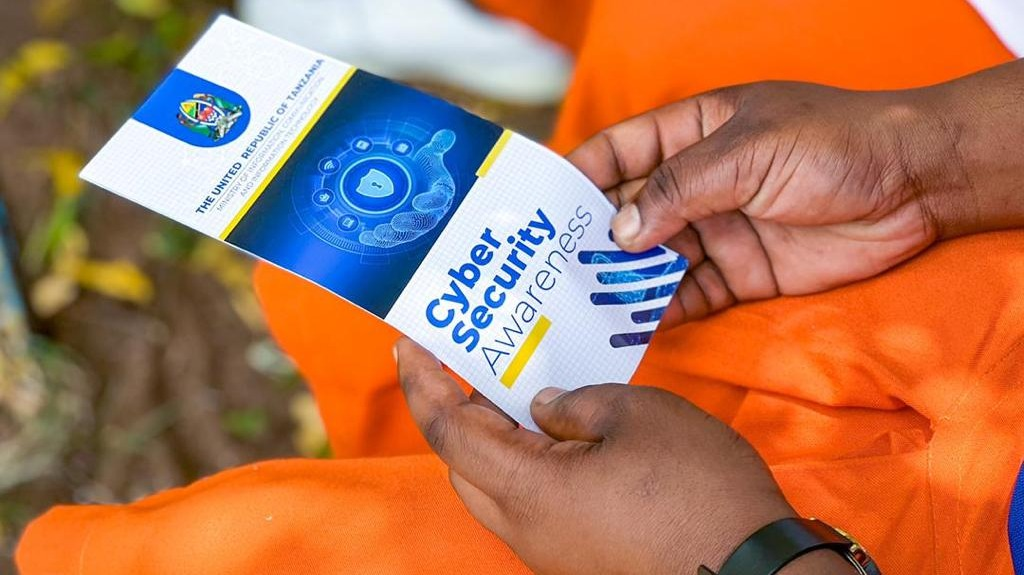
A critical challenge in Tanzania is the limited awareness of cybersecurity among users. Many individuals and small business operators lack basic training on safe online practices. Simple mistakes, such as using weak passwords, reusing login credentials across multiple platforms, or clicking suspicious links, often lead to major financial and data losses.
Raising public awareness is essential. Schools, universities, and community programs should include basic digital safety education. Mobile network operators and financial institutions can also play a role by providing clear guidance to customers on securing their accounts and recognizing scams. Building a culture of cybersecurity vigilance is just as important as implementing advanced technological solutions.
3. Institutional Readiness
Government institutions and major corporations in Tanzania have begun investing in cybersecurity systems, but gaps remain. Many organizations still lack fully operational Security Operation Centers (SOCs) capable of detecting, analyzing, and responding to cyber incidents in real-time. Incident response capacity, threat intelligence sharing, and coordinated action plans are often limited, leaving institutions vulnerable to both targeted attacks and widespread digital crises.
Strengthening institutional readiness requires significant investment in technology, skilled personnel, and continuous training. Collaboration between public and private sectors is crucial to share knowledge, detect threats early, and respond effectively when attacks occur.
4. Policy and Regulation
Strong legal and regulatory frameworks form the backbone of national cybersecurity preparedness. Tanzania has made progress by introducing data protection regulations and cybercrime laws, but enforcement remains inconsistent. Enhancing the legal environment through clearer regulations, stricter penalties, and regular audits can deter cybercriminals and provide guidance for organizations on best practices.
In addition, establishing national standards for cybersecurity, mandating risk assessments, and promoting compliance with international security protocols will improve Tanzania’s resilience against cyber threats. A comprehensive policy approach not only protects users but also attracts foreign investment by signaling a secure digital environment.
Conclusion: What Should Be Done
Tanzania stands at a critical point in its digital transformation journey. To ensure cybersecurity preparedness, the following actions are essential:
- Increase public awareness: Educate citizens and businesses on safe online practices through campaigns, training, and school programs.
- Invest in technology and talent: Establish more Security Operation Centers, train cybersecurity professionals, and adopt advanced threat detection tools.
- Strengthen institutional coordination: Encourage collaboration between government agencies, banks, mobile operators, and private companies for threat intelligence sharing and incident response.
- Enhance legal frameworks: Enforce existing laws, update regulations to reflect evolving threats, and impose strict penalties on cybercriminals.
By prioritizing cybersecurity now, Tanzania can protect its digital economy, build public trust, and ensure a safer, more resilient digital future for all citizens.