

Doris Mollel Foundation’s TSh 2.125 Billion Investment in Kwimba Neonatal Centre Strengthens Tanzania’s Human Capital Economy
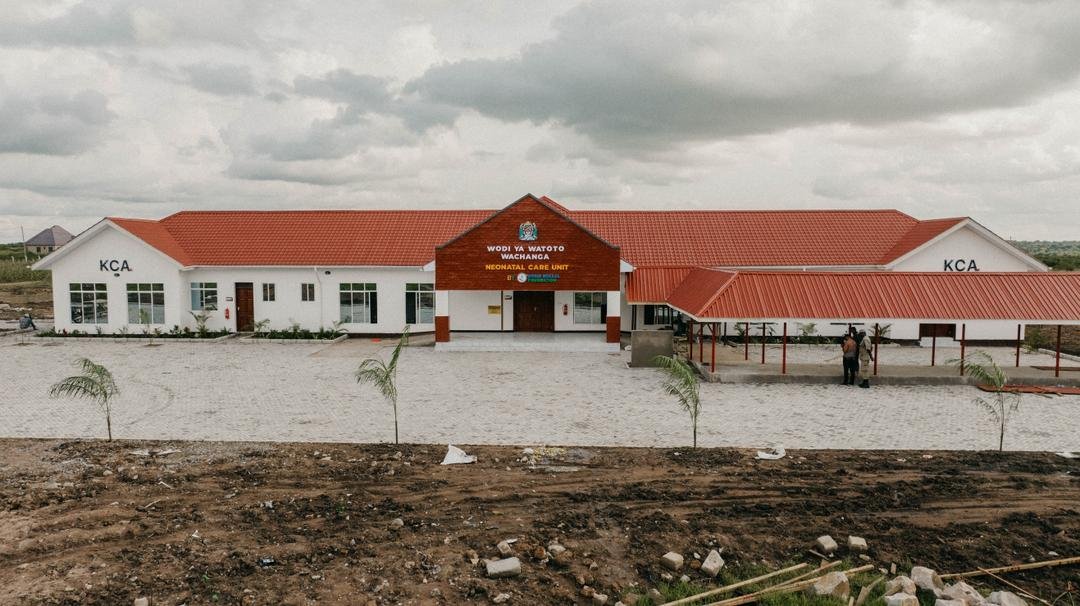
A TSh 2.125 billion neonatal centre built by the Doris Mollel Foundation in Kwimba District positions Mwanza as a rising model for high-impact health investment in Tanzania. The international-standard facility brings advanced care for premature newborns closer to families while strengthening the country’s long-term human capital and healthcare capacity.
Kwimba District in Mwanza Region is set to benefit from a major social infrastructure investment following the construction of a modern, international-standard neonatal facility at Kwimba District Hospital by the Doris Mollel Foundation. Focused on the care of premature and vulnerable newborns, the project represents a high-impact intervention in Tanzania’s long-term economic development through improved early-life health outcomes.
The facility, valued at approximately TSh 2.125 billion, will be officially inaugurated on 28 February 2026. It was delivered in partnership with Keep A Child Alive, the global health nonprofit co-founded and supported by international music icon Alicia Keys, and Jhpiego, combining philanthropic capital with world-class technical expertise to expand advanced neonatal services at the district level.
Investing in Human Capital at the Earliest Stage
Health economists consistently identify neonatal survival and early childhood health as among the highest-return investments a society can make. By providing specialized care for premature infants close to home, the Kwimba facility strengthens the foundations of future productivity, education outcomes, and workforce quality.
District Commissioner Ng’wilabuzu Ludigija noted that the centre will significantly enhance the district’s capacity to save newborn lives, reinforcing public health resilience while improving service delivery standards.
Community members have welcomed the development as a transformative upgrade that reduces barriers to advanced care and improves security for families during critical early-life emergencies.

Local Access, System-Wide Benefits
Decentralizing specialized medical services produces measurable economic gains beyond immediate health outcomes. Locally available neonatal care reduces time-sensitive delays, lowers household expenditures associated with long-distance referrals, and enables hospitals to deliver higher-value services within their own catchment areas.
For rural and peri-urban communities, such investments translate into improved social stability, reduced financial shocks from medical emergencies, and stronger long-term development prospects.
International Standards and Knowledge Transfer
The project has also attracted recognition from global health institutions. Alex Ntale Gasasira, the World Health Organization representative in Tanzania, emphasized that the facility aligns with WHO recommendations promoting integrated care that keeps mothers and newborns together during treatment, an approach proven to improve survival and recovery outcomes.
Partnerships with experienced international organizations ensure that the facility incorporates best practices in neonatal care, clinical protocols, and service delivery, strengthening Tanzania’s health system capacity.

A Model of High-Impact Social Investment
Beyond its medical function, the centre represents a scalable model of private-sector and philanthropic participation in national development priorities. By directing significant capital toward district-level infrastructure, the initiative demonstrates how targeted investments can rapidly elevate service quality and accessibility.
Such projects contribute to broader economic goals by:
- Enhancing population health and life expectancy
- Reducing long-term healthcare burdens
- Supporting stable demographic growth
- Strengthening confidence in local public services
Outlook
As Tanzania continues to pursue inclusive development, investments in maternal and child health infrastructure are increasingly recognised as foundational to sustainable growth. The Kwimba neonatal facility positions the district as a regional reference point for modern newborn care while delivering immediate benefits to families across Mwanza Region.
For the residents it will serve, the centre represents both lifesaving capacity and a durable investment in the wellbeing and future potential of the community.