
Transport as an Economic Lever: What Tanzania’s First 100 Days Reveal
Ready
Tanzania’s transport sector is being positioned as a core economic driver in the first 100 days of the Sixth Phase Government’s second term, with progress in rail, ports, maritime, and aviation infrastructure aimed at reducing logistics costs, strengthening regional trade, and improving connectivity.
Tanzania’s transport sector is emerging as a central pillar of economic strategy in the first 100 days of the Sixth Phase Government’s second term. Recent updates from the Ministry of Transport point to a deliberate push toward rail revival, port expansion, and multimodal connectivity aimed at lowering logistics costs, unlocking regional trade, and strengthening public transport systems.
Speaking in Dodoma on February 1, 2026, Minister for Transport Prof. Makame Mbarawa outlined progress across rail, maritime, port, and aviation infrastructure, signaling continuity in large-scale transport investment under President Samia Suluhu Hassan’s leadership.
Railways: Moving People, Cargo, and Regional Trade
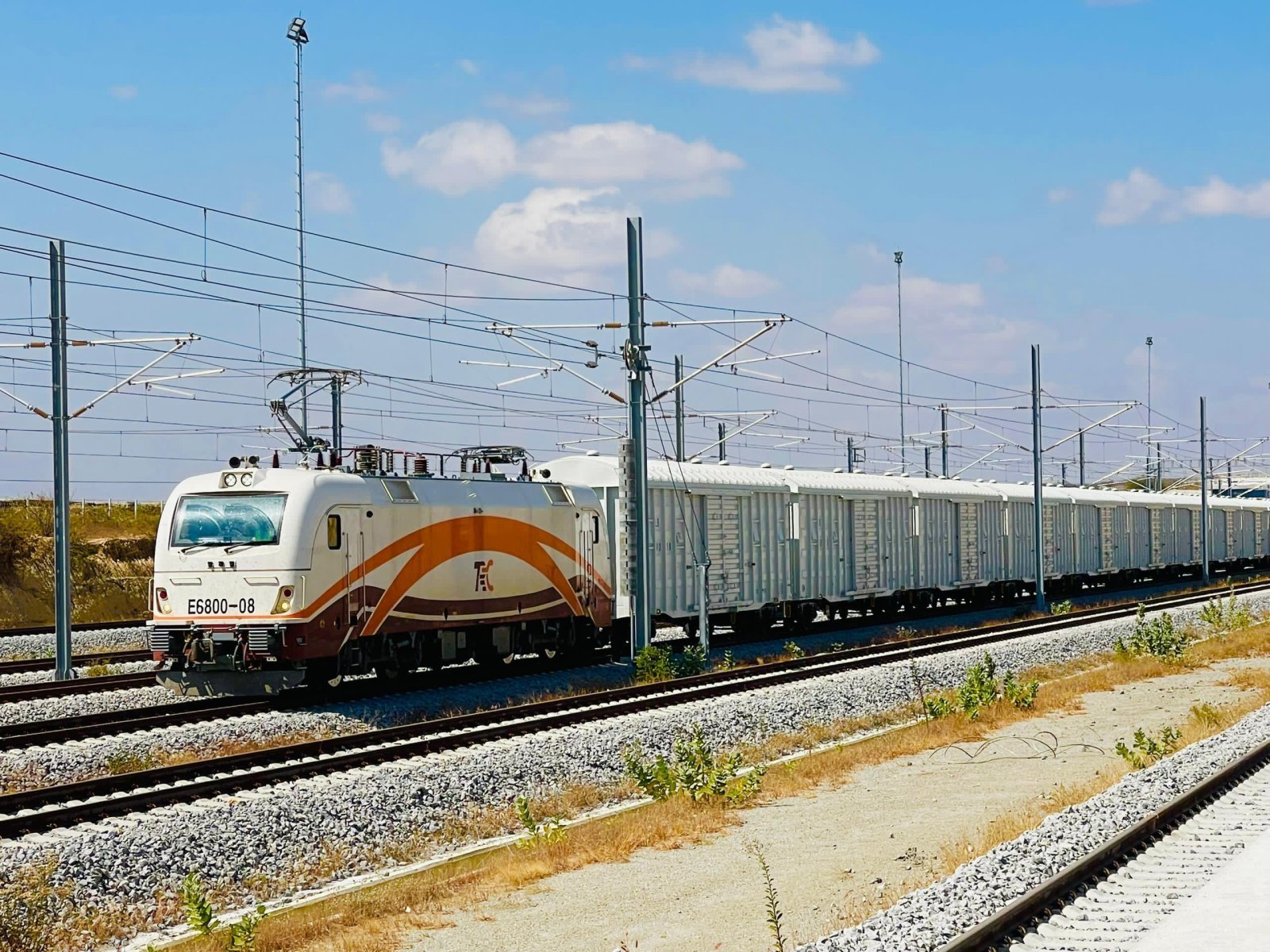
Rail transport recorded tangible gains during the reporting period, with more than 838,000 passengers and over 85,000 tonnes of cargo moved via Tanzania’s rail network. This performance reflects improved services on both the Standard Gauge Railway (SGR) and the Meter Gauge Railway (MGR), as well as operational reinforcements including the delivery of two locomotives and 50 freight wagons.
The ongoing construction of the SGR corridor from Dar es Salaam to Mwanza remains a strategic project, with the Dar es Salaam–Dodoma segment already operational. Once completed, the full corridor is expected to reshape domestic logistics and strengthen Tanzania’s role as a transit hub for land-linked economies in the Great Lakes region.
A key milestone announced during the period is the TAZARA rehabilitation agreement, with implementation scheduled to begin in June 2026. The revival of the Tanzania-Zambia Railway is economically significant, as it restores a critical regional trade artery linking Dar es Salaam to Zambia and the Democratic Republic of Congo. If executed effectively, the rehabilitation could reduce transit times, decongest roads, and reposition rail as a competitive alternative for bulk cargo.
Institutionally, the Tanzania Railways Corporation has reached a turning point, now operating without government salary subsidies. The establishment of the TANRAIL subsidiary is intended to improve commercial discipline, operational efficiency, and revenue generation across rail operations.
Ports: Preparing for Scale and Regional Demand
In the port sector, the government has advanced preparations for expansion of the Port of Dar es Salaam while continuing groundwork for the Bagamoyo Port. These projects are designed to support rising cargo volumes driven by regional trade and domestic industrial growth.
According to the Ministry, improvements in port operations have already translated into substantial revenue gains for both the Tanzania Ports Authority and the Tanzania Revenue Authority. From an economic perspective, port efficiency remains one of Tanzania’s most powerful competitiveness levers, influencing transit trade, export costs, and investor confidence.
Maritime Transport: Restoring Lake Connectivity
Maritime transport developments focused on Lake Victoria, where the government launched the MV New Mwanza, a vessel capable of carrying 1,200 passengers and 400 tonnes of cargo. The investment strengthens intra-lake trade and mobility while supporting regional integration with neighboring economies.
Complementary investments include rescue boats and an ambulance boat to enhance safety and emergency response. While less visible than mega-infrastructure, these assets are critical for reliability and risk reduction in inland water transport systems.
Aviation: Connecting Tanzania to Global Markets
In aviation, the completion of the VIP terminal at Julius Nyerere International Airport and the expansion of international routes by Air Tanzania signal continued efforts to improve air connectivity. Aviation plays a strategic role in tourism, business travel, and high-value trade, particularly for time-sensitive goods and services.
Economic Implications
Taken together, the transport sector’s first-100-days performance highlights a policy approach that treats infrastructure as an economic enabler rather than a standalone public works agenda. Rail rehabilitation, port expansion, maritime revival, and aviation connectivity all feed into a broader objective of reducing logistics costs, improving trade efficiency, and supporting private-sector productivity.
The real test now shifts from announcements to execution. Project delivery timelines, financial sustainability, and operational efficiency will determine whether these investments translate into durable economic gains. For Tanzania, transport is no longer just about movement. It is about competitiveness, regional relevance, and long-term growth.
 Uchumi360
Business Intelligence
Uchumi360
Business Intelligence
Uchumi360 covers business, investment, and economic policy across East, Central, and Southern Africa.
For the serious reader
You read to the end. That places you in a small group.
Uchumi360 is built for readers who demand precision over speed, structure over sentiment, and analysis that holds uncomfortable conclusions rather than softening them. If this work sharpens how you think about Africa's economy, help us keep building the infrastructure behind it.
Institutional Partners
Commission intelligence. Shape the conversation.
Uchumi360 works with development finance institutions, investment firms, sovereign bodies, and strategic organisations across the coverage region. Institutional partnership unlocks:
- Commissioned sector and country intelligence reports
- Branded research series under your institution's authority
- Exclusive data briefings for internal strategy teams
- Speaking and editorial presence at Uchumi360 events
- Co-published investment outlooks for your markets
Support Our Work
Independent analysis has a cost. Help us bear it.
Uchumi360 does not carry advertising. It does not take editorial direction from sponsors. Every article is produced without commercial compromise. Your contribution funds the reporting, research, and editorial infrastructure that keeps this analysis free from influence.
Secure checkout: One-time and monthly support are processed securely.
Stay Connected
Keep up with every new insight.
Follow our latest analysis, policy coverage, and market intelligence as soon as it is published. If you need something specific, reach out directly and we will point you to the right research.
