
Unlocking Opportunities in the Lake Rukwa Basin: Agriculture, Fisheries, Livestock, Transport, and What Government Must Do
Ready
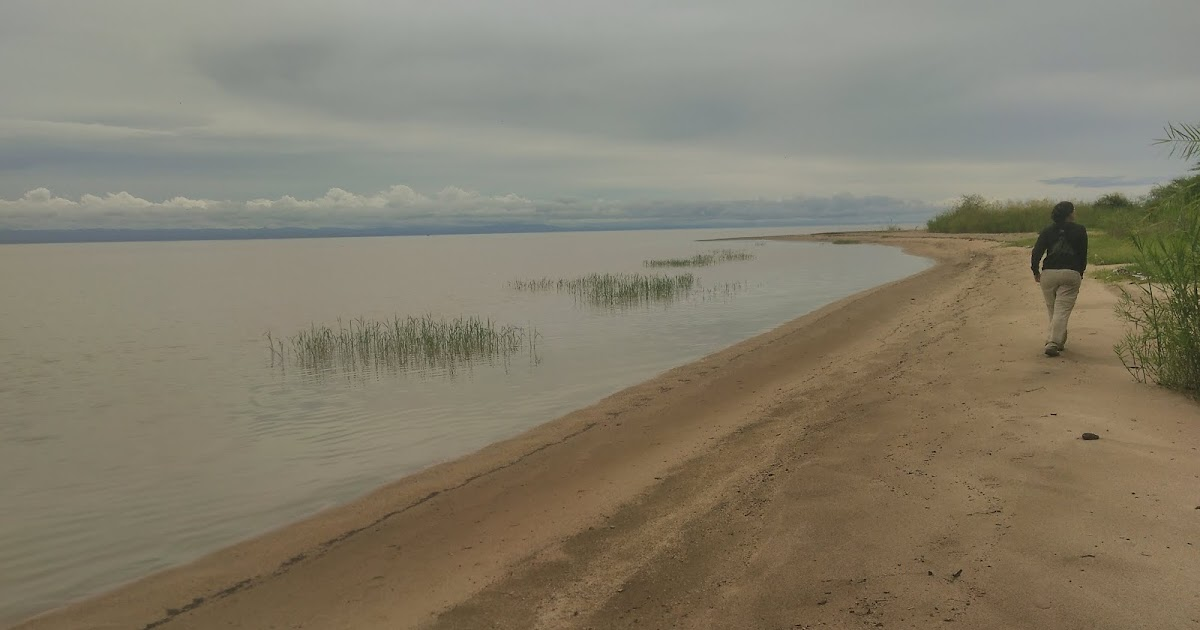
Tanzania’s Lake Rukwa Basin, spanning parts of Rukwa, Katavi, and neighbouring region as Songwe remains one of the least exploited economic zones in the country, despite its rich natural resources, favourable agro-ecological conditions, and sizeable human potential.
The Untapped Potential of Lake Rukwa Basin
Tanzania’s Lake Rukwa Basin, spanning parts of Rukwa, Katavi, and neighbouring region as Songwe remains one of the least exploited economic zones in the country, despite its rich natural resources, favourable agro-ecological conditions, and sizeable human potential. From fertile soils to expansive grazing lands, from water resources for fisheries to key transit corridors the Basin offers a diversified base for agriculture, livestock, fisheries, beekeeping, and transport.
Yet, much of this potential remains under-utilized. Limited infrastructure, poor access to markets, lack of processing facilities, and insufficient institutional support have kept the Lake Rukwa Basin outside the spotlight of mainstream agribusiness and economic planning.
Key Opportunity Areas
1. Agriculture: Fertile soils and varied agro-climate
- The Basin has large tracts of fertile land suitable for crops such as maize, rice, beans, sunflower, cassava, and other staples.
- The presence of seasonal rivers and water bodies, plus potential for irrigation during dry seasons, can support year-round farming cycles reducing dependency on rain-fed agriculture.
- With proper infrastructure and agronomic support, the area could sustain large-scale commercial farming, supplying both domestic markets and regional value chains.
2. Fisheries: Freshwater resources and demand for fish
- Lake Rukwa and associated rivers provide freshwater fish resources an alternative to overexploited coastal fisheries.
- There is growing demand for fresh and processed fish across Tanzania’s urban centres; the Basin could supply both.
- Establishing fish landing sites, cold-storage and processing facilities could turn fishing into a stable source of income and nutrition.
3. Livestock and Meat Processing: Vast grazing lands
- Expansive grazing fields can support cattle, goats, sheep, and possibly dairy, including for both subsistence and commercial livestock farming.
- With proper interventions, the region could support meat-processing, dairy production, leather and by-product industries, providing value addition rather than raw sales.
4. Beekeeping and Honey Exports: Natural forest cover and global demand
- The Basin has patches of forest and woodland suitable for traditional and modern beekeeping.
- Honey and beeswax have export potential; with appropriate quality control and certification, the Basin could supply both national and international markets.
- Beekeeping is labour-light and accessible even to smallholders, offering an inclusive income-generating opportunity.
5. Transport and Connectivity: Gateway to regional trade
- Development of rural feeder roads, water transport systems, and storage / collection hubs can turn the Basin into a logistical corridor.
- Efficient transport reduces post-harvest losses, connects producers to markets, and encourages investment.
- Improved connectivity also enhances mobility of labour, goods, and services essential for economic integration and growth.
What’s Holding Back Development?
Despite the potential, several structural constraints prevent the Basin from flourishing:
- Poor infrastructure: Many villages and farms are cut off by inadequate or non-existent roads, making access to markets, inputs, and services difficult.
- Lack of processing/storage facilities: Absence of cold storage, processing units (for fish, meat, honey) reduces value addition and limits income potential.
- Weak institutional support: Insufficient extension services, lack of organized cooperatives or agribusiness networks, and limited financial services hamper scaling.
- Market access and logistics bottlenecks: Transport costs are high, and unreliable logistics discourage buyers and investors.
- Environmental and governance issues: Without careful planning, expansion could lead to deforestation, overgrazing, and resource depletion.
What Government and Stakeholders Should Do: A Policy and Investment Roadmap
To unlock the Lake Rukwa Basin’s potential, coordinated action from the government, private sector, NGOs, and local communities is needed:
Invest in Infrastructure
- Build, upgrade, and maintain rural feeder roads connecting farms, villages, and markets.
- Develop water transport facilities (where possible), bridges, and river ferry points.
- Expand access to electricity and clean water is key for agro-processing, cold storage, and rural industries.
Promote Agribusiness and Value-Addition:
- Provide incentives (tax holidays, grants, soft loans) to investors establishing processing plants for fish, meat, honey, and agricultural produce.
- Support smallholder cooperatives and farmer groups to facilitate collective production, buying inputs, marketing, and negotiating better prices.
- Facilitate training and capacity building agronomic best practices, sustainable fishing, environmental conservation, quality control, certification (for honey, meat, fish) and compliance with standards.
Improve Market Access and Logistics:
- Develop collection and aggregation centers (hubs) where produce from rural farms is consolidated before being transported to urban markets.
- Support cold-chain logistics for perishable products like fish, meat, and horticultural produce.
- Encourage public–private partnerships (PPPs) to manage transport and storage infrastructure to reduce costs and improve reliability.
Support Financial Inclusion and Access to Credit:
- Provide affordable credit and micro-finance targeted at farmers, cooperatives, and local entrepreneurs in the region.
- Offer grant or subsidy schemes for start-ups in beekeeping, agriculture, fisheries, livestock, and processing.
- Encourage banks and microfinance institutions to open rural branches or mobile banking services to serve remote areas.
Ensure Environmental Sustainability and Good Governance:
- Promote sustainable land use, avoid deforestation, protect water resources, and manage grazing to prevent land degradation.
- Support community-based resource management involves local leaders, traditional institutions, and agrarian communities in decision-making.
- Ensure transparent land tenure, policies protecting smallholder land rights, and avoid displacement.
Why the Lake Rukwa Basin Could Become a Game-Changer for Tanzania
If developed properly, the Basin could:
- Provide food security and income for thousands of households
- Diversify Tanzania’s agricultural and agro-industrial base beyond traditional regions
- Create jobs in farming, processing, logistics, and services
- Generate exportable products (honey, processed fish, meat, crops), earning foreign exchange
- Stimulate regional development, reduce rural poverty, and slow rural–urban migration
In a country where large parts of the hinterland remain underdeveloped, the Lake Rukwa Basin represents a strategic frontier a place where coordinated public policy, private investment, and community engagement can unlock transformative growth.
Conclusion
Tanzania cannot rely only on traditional “breadbasket” regions. As population grows and global demand shifts, we need to tap lesser-known zones like the Lake Rukwa Basin. With the right infrastructure, agribusiness support, financial inclusion, and environmental safeguards, this Basin could evolve from an underutilized hinterland into a buzzing agro-economic hub delivering jobs, incomes, and development for its people and contributing significantly to national growth.
 Uchumi360
Business Intelligence
Uchumi360
Business Intelligence
Uchumi360 covers business, investment, and economic policy across East, Central, and Southern Africa.
For the serious reader
You read to the end. That places you in a small group.
Uchumi360 is built for readers who demand precision over speed, structure over sentiment, and analysis that holds uncomfortable conclusions rather than softening them. If this work sharpens how you think about Africa's economy, help us keep building the infrastructure behind it.
Institutional Partners
Commission intelligence. Shape the conversation.
Uchumi360 works with development finance institutions, investment firms, sovereign bodies, and strategic organisations across the coverage region. Institutional partnership unlocks:
- Commissioned sector and country intelligence reports
- Branded research series under your institution's authority
- Exclusive data briefings for internal strategy teams
- Speaking and editorial presence at Uchumi360 events
- Co-published investment outlooks for your markets
Support Our Work
Independent analysis has a cost. Help us bear it.
Uchumi360 does not carry advertising. It does not take editorial direction from sponsors. Every article is produced without commercial compromise. Your contribution funds the reporting, research, and editorial infrastructure that keeps this analysis free from influence.
Secure checkout: One-time and monthly support are processed securely.
Stay Connected
Keep up with every new insight.
Follow our latest analysis, policy coverage, and market intelligence as soon as it is published. If you need something specific, reach out directly and we will point you to the right research.
