
57% of Tanzanians Say Africa Deserves a Louder Voice in the UN
Ready
For Tanzanians, this is not an abstract question of prestige. It is about securing better terms in negotiations that directly affect livelihoods. Whether on agricultural subsidies, technology transfers, or debt relief, a stronger African bloc at the UN or World Trade Organization could tilt the balance in Tanzania’s favor.
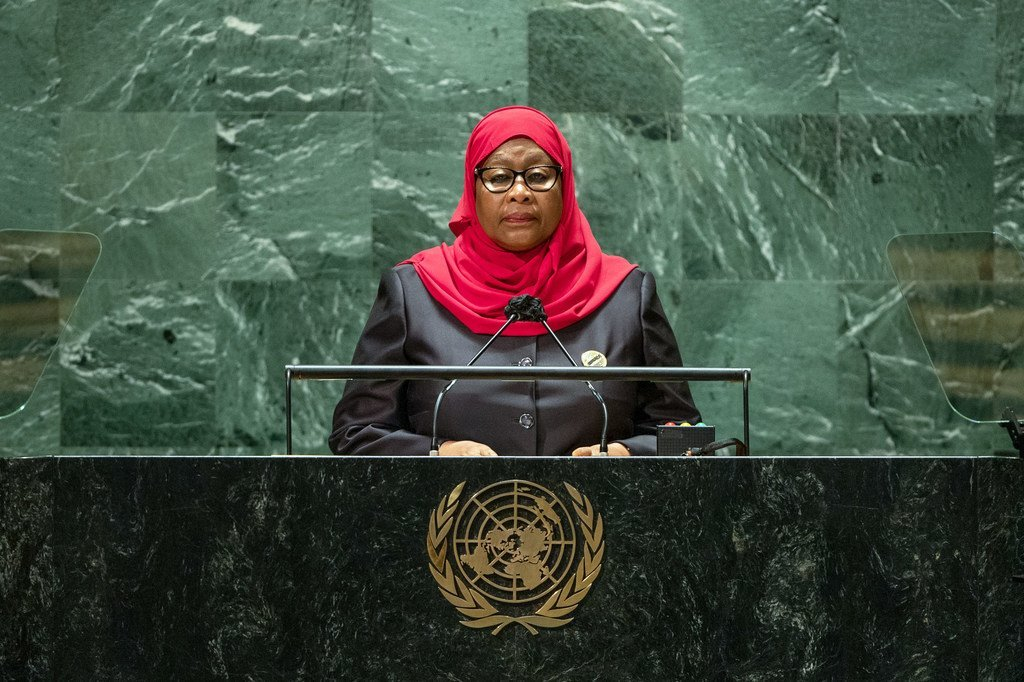
Tanzanians are not just thinking about trade and infrastructure. They are also thinking about power. According to the latest Afrobarometer survey, 57% of Tanzanians believe Africa should have a stronger voice in the United Nations and other international bodies. This finding reflects more than diplomatic ambition it underscores a growing recognition that economic prosperity is inseparable from global influence.
Why global voice matters
Tanzania’s economy is projected to reach $180 billion by 2030 if current growth trajectories hold. But its bargaining power in the global economy on issues such as climate finance, debt restructuring, and trade access remains constrained by Africa’s limited representation at the highest levels of decision-making.
For Tanzanians, this is not an abstract question of prestige. It is about securing better terms in negotiations that directly affect livelihoods. Whether on agricultural subsidies, technology transfers, or debt relief, a stronger African bloc at the UN or World Trade Organization could tilt the balance in Tanzania’s favor.
Historical positioning
Tanzania has long championed Africa’s collective voice. From Julius Nyerere’s leadership in the Non-Aligned Movement to current President Samia Suluhu Hassan’s calls for South-South cooperation, the country has consistently framed diplomacy as a tool for economic justice.
This latest survey shows that ordinary Tanzanians still see that link. Just as they support open trade, they also support stronger continental representation, believing that economic transformation depends on political leverage at the global stage.
Comparing East Africa
- In Kenya, recent debates have focused on how Nairobi leverages its role as a UN hub (home to UNEP and UN-Habitat) to secure global influence.
- Uganda has pushed for leadership roles in the African Union and UN General Assembly to gain visibility.
- Tanzania, by contrast, positions itself less as a “hub” and more as a moral authority, rooted in its history of liberation support and peace diplomacy.
But the Afrobarometer data suggest citizens now want this moral authority translated into economic bargaining power.
Policy implications
For Tanzania, the survey points to three key imperatives:
- Champion AU reform at the UN: Push for permanent African representation on the Security Council, linking it directly to fairer economic governance.
- Tie diplomacy to economics: Use Tanzania’s voice on issues like climate change to demand more adaptation finance, technology transfers, and fair trade rules.
- Leverage alliances: Align with other emerging economies—India, Brazil, Indonesia to push for reforms that reduce Western dominance of multilateral bodies.
The people’s message
Tanzanians are clear: national prosperity cannot be divorced from global equity. Citizens see that even the best domestic policies risk being undermined if international rules are stacked against African economies.
The Afro barometer survey shows that Tanzanians understand the stakes. If Africa remains underrepresented in global governance, Tanzania’s economic ambitions including its trillion-dollar dream by 2050 will be harder to realize.
The call is simple but urgent: Africa needs a louder voice. And Tanzania, as one of the continent’s most stable states, must be at the forefront of making that demand.
 Uchumi360
Business Intelligence
Uchumi360
Business Intelligence
Uchumi360 covers business, investment, and economic policy across East, Central, and Southern Africa.
For the serious reader
You read to the end. That places you in a small group.
Uchumi360 is built for readers who demand precision over speed, structure over sentiment, and analysis that holds uncomfortable conclusions rather than softening them. If this work sharpens how you think about Africa's economy, help us keep building the infrastructure behind it.
Institutional Partners
Commission intelligence. Shape the conversation.
Uchumi360 works with development finance institutions, investment firms, sovereign bodies, and strategic organisations across the coverage region. Institutional partnership unlocks:
- Commissioned sector and country intelligence reports
- Branded research series under your institution's authority
- Exclusive data briefings for internal strategy teams
- Speaking and editorial presence at Uchumi360 events
- Co-published investment outlooks for your markets
Support Our Work
Independent analysis has a cost. Help us bear it.
Uchumi360 does not carry advertising. It does not take editorial direction from sponsors. Every article is produced without commercial compromise. Your contribution funds the reporting, research, and editorial infrastructure that keeps this analysis free from influence.
Secure checkout: One-time and monthly support are processed securely. Add payment credentials to enable checkout here.
Stay Connected
Keep up with every new insight.
Follow our latest analysis, policy coverage, and market intelligence as soon as it is published. If you need something specific, reach out directly and we will point you to the right research.
