

Why Tanzania Is Still Exporting Raw Materials Instead of Value-Added Goods
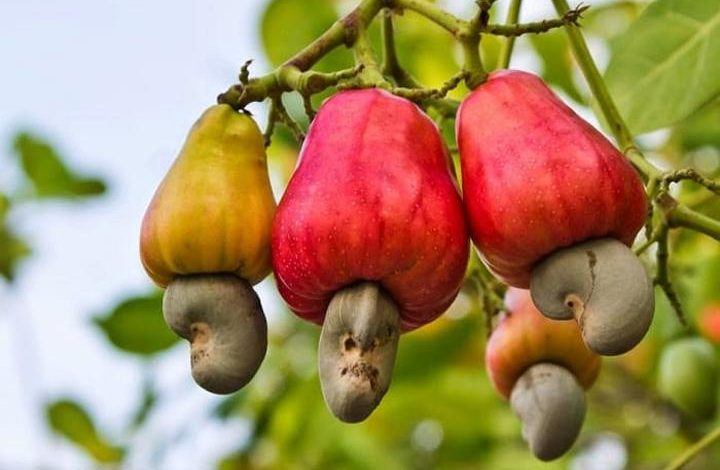
While these exports generate much-needed foreign exchange, they capture only a fraction of the potential value that could be realized through local processing and value addition.
Tanzania’s export profile continues to be dominated by raw commodities, from minerals like gold and graphite to agricultural products such as coffee, cashew nuts, and cotton. While these exports generate much-needed foreign exchange, they capture only a fraction of the potential value that could be realized through local processing and value addition. Dependence on raw exports limits economic diversification, reduces employment opportunities, and prevents the development of a robust industrial base that could drive sustainable growth.
Several structural challenges hinder progress. High energy costs and unreliable electricity make local processing expensive and reduce competitiveness. Limited processing infrastructure, such as milling plants, factories, and agro-processing facilities, constrains the ability to add value to raw commodities. Meanwhile, skills gaps in manufacturing and technical operations make it difficult to maintain high-quality standards, especially for products aimed at international markets. Many small and medium-sized enterprises (SMEs) also struggle to access industrial finance, including loans for machinery, working capital, and technology adoption.
Policy support for local processing exists, but incentives are often weak or inconsistently applied, discouraging investment in value-added production. As a result, informal or unprocessed exports dominate, limiting both revenue potential and Tanzania’s ability to move up the global value chain.
The economic consequences are clear. Exporting raw commodities generates less revenue than selling processed goods. For example, locally roasting and packaging coffee instead of exporting raw beans could increase earnings by 30–50%, while processing cashew nuts locally can similarly boost returns. Limited value addition also reduces job creation, as processing industries typically employ more people than primary extraction or farming alone. Furthermore, reliance on raw exports exposes the economy to global price fluctuations, which can destabilise foreign exchange earnings.
Experts argue that targeted interventions are needed to shift Tanzania up the value chain. Investing in factories, processing plants, and industrial clusters can enable local industries to produce competitive, high-quality goods. Vocational training and technical education can address skills gaps, equipping workers to meet industrial standards. Financial incentives, such as tax breaks, low-interest loans, and grants, can encourage SMEs and investors to focus on processing rather than raw exports.
Public-private partnerships can also play a critical role, bringing together government agencies, private investors, and industry associations to mobilize capital, share expertise, and drive industrial growth. Aligning export policies with industrial strategy ensures that Tanzania not only exports commodities but also develops globally competitive, value-added goods.
Transitioning from raw exports to value-added production is essential for Tanzania’s long-term economic growth. By investing in processing infrastructure, skills development, and supportive industrial policies, the country can increase foreign exchange earnings, create jobs, diversify its economy, and strengthen its position in regional and global markets.