

Beverage Sector in Tanzania: Growth Trends and Regulatory Landscape
With the right investments and regulatory balance, Tanzania’s beverage sector can become a major driver of manufacturing growth, job creation, and regional trade competitiveness.
Tanzania’s beverage industry, covering soft drinks, bottled water, beer, energy drinks, and fruit juices, has become one of the fastest-growing manufacturing segments in the country. Driven by rapid urbanization, rising disposable incomes, and an expanding supermarket culture, the sector now plays a central role in job creation, tax revenue generation, and industrial development. As competition grows, so does the importance of regulatory compliance and investment in modern technology.
Below is a deeper look at the key trends shaping Tanzania’s beverage industry today.
1. Consumer Demand Growth
Tanzanians are consuming more beverages than ever before. Urban centres like Dar es Salaam, Mwanza, Arusha, and Dodoma are experiencing a shift in lifestyle, where ready-to-drink products, especially soft drinks, bottled water, and flavoured juices, have become part of daily routines.
Several factors are driving this growth:
- Urbanization: More people moving to cities increases the demand for quick, convenient beverages.
- Rising incomes: Middle-income households are spending more on branded drinks.
- Health consciousness: This is increasing demand for bottled water and low-sugar drinks.
- Expanded distribution: Even rural areas now have better access to cold chains and retail networks.
Local beverage brands such as Azam, Mo, Sayona, and Kiliwater are competing effectively with international players like Coca-Cola and Pepsi. Their competitive pricing, wider distribution, and local market understanding have helped them secure a strong market share.
2. Regulatory Environment
The beverage sector is one of the most regulated industries in Tanzania due to its impact on public health and tax revenue. Companies must comply with several standards and regulatory bodies:
a) Tanzania Bureau of Standards (TBS)
Ensures product safety, quality standards, packaging requirements, and hygiene standards during production.
b) Tanzania Medicine and Medical Devices Authority (TMDA)
Regulates food safety, ingredients, and health-related risks, especially for products containing sugar, preservatives, or artificial additives.
c) Tanzania Revenue Authority (TRA)
Imposes excise duties and VAT, which significantly influence beverage pricing.
Key regulatory shifts affecting the industry:
- Sugar content restrictions: Growing global concerns about lifestyle diseases have led to stricter rules on sugar levels.
- Labelling requirements: Companies must now include nutritional details, expiry dates, batch numbers, and ingredient lists.
- Excise duty changes: Annual adjustments in excise duty affect product prices, profit margins, and retail affordability.
While these regulations protect consumers, they also increase production costs pushing companies to innovate, reformulate products, and shift to healthier options.
3. Investment Trends and Industry Expansion
The beverage industry continues to attract local and foreign investment. Major companies are upgrading their production capacity, adopting modern technologies, and expanding across East and Southern Africa.
a) Automation and Production Efficiency
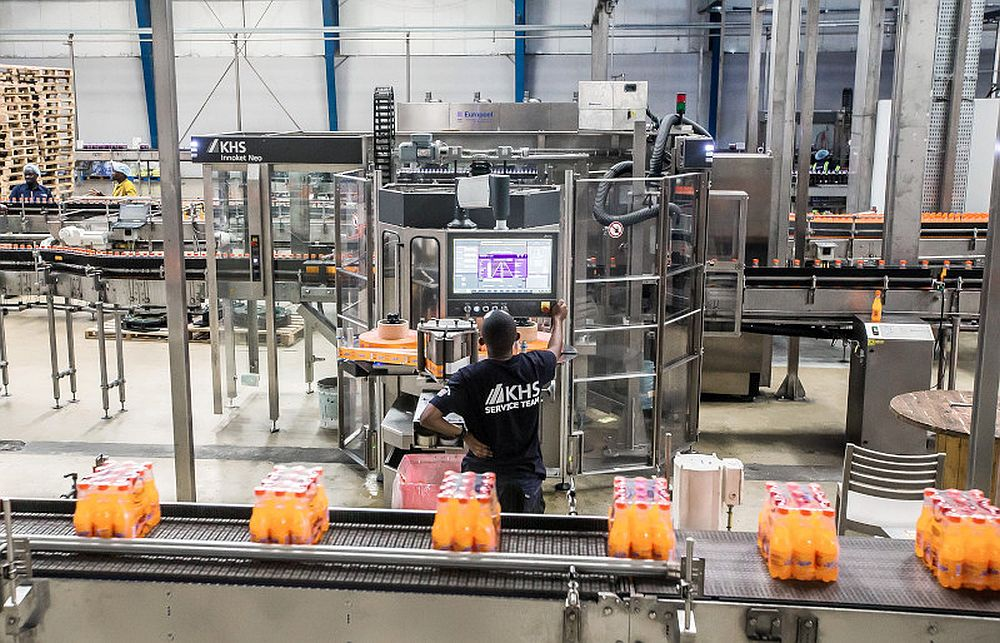
Firms are investing in high-speed bottling lines, digital quality monitoring systems, and advanced filtration technologies. This helps reduce operational costs and meet rising demand.
b) Local Sourcing of Raw Materials
There is a growing shift toward sourcing fruits and packaging materials locally. This benefits farmers, reduces import reliance, and strengthens Tanzania’s agro-processing sector.
c) Regional Export Potential
Tanzania is strategically positioned to export beverages, especially juices, bottled water, and energy drinks, to:
- EAC markets: Kenya, Uganda, Rwanda, Burundi
- SADC markets: Zambia, Malawi, DRC, Mozambique
Demand in these markets is rising, and Tanzania’s competitive pricing makes exports attractive.
d) New Entrants and Market Diversification
New startups are producing organic juices, herbal drinks, and low-sugar options, responding to shifting consumer preferences.
Conclusion: What Tanzania Should Focus On Going Forward
The beverage industry is full of potential, but continued growth requires the right policy and industry strategies. To strengthen the sector:
- Simplify regulatory processes to reduce the compliance burden for small beverage manufacturers.
- Encourage product innovation, such as sugar-free drinks and natural juices to meet health-conscious consumer trends.
- Support fruit farmers to ensure a stable supply for juice manufacturers.
- Strengthen export logistics to make Tanzania a leading beverage supplier in East and Southern Africa.
- Promote water quality and safety standards to boost consumer confidence in bottled water brands.
With the right investments and regulatory balance, Tanzania’s beverage sector can become a major driver of manufacturing growth, job creation, and regional trade competitiveness.