

Why Industrial Parks in Tanzania Have Slow Uptake, and How to Improve It
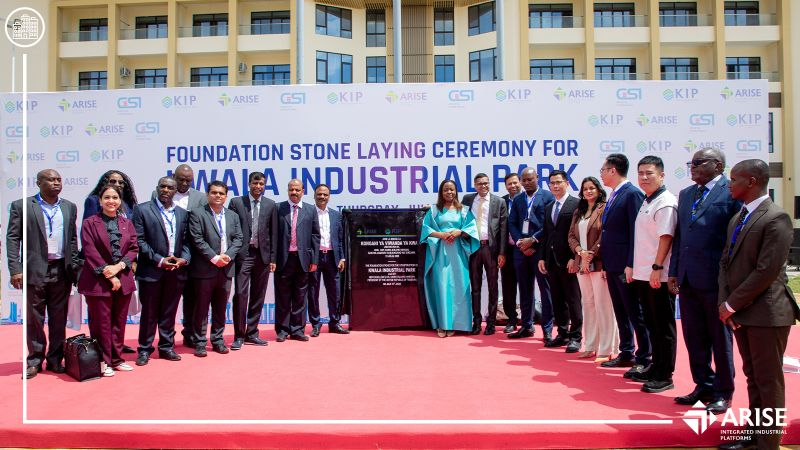
Despite strategic locations and government support, uptake by investors remains slow. Understanding the barriers to utilization is key to unlocking their full potential for industrialization.
Industrial Parks vs. Reality
Industrial parks and Special Economic Zones (SEZs) are intended to attract manufacturers, create jobs, and boost exports. In Tanzania, parks in Kibaha, Kurasini, Bagamoyo, Morogoro, and other regions hold immense potential. Despite strategic locations and government support, uptake by investors remains slow. Understanding the barriers to utilization is key to unlocking their full potential for industrialization, economic growth, and employment creation.
1. Infrastructure Not Fully Ready
Many industrial parks lack essential infrastructure, which discourages potential investors. Reliable electricity is critical for factories, yet frequent outages increase operational costs and risk. Water supply remains inconsistent in some parks, limiting industrial activities that require large volumes for production. Waste treatment and effluent management systems are also insufficient, raising concerns about environmental compliance. Internal roads and transport networks within the parks are often underdeveloped, reducing efficiency in moving goods. Moreover, ICT connectivity remains limited, which is particularly challenging for technology-based industries and modern manufacturing operations. Without fully operational utilities, investors are reluctant to commit capital to these parks.
2. High Cost of Setting Up Factories
The financial barrier to entry is another major reason for slow uptake. Many investors face high initial costs when establishing factories in industrial parks. Land lease rates in SEZs are often expensive, adding a significant fixed cost. Import duties on machinery and equipment further increase the investment needed before operations can begin. Construction costs for buildings and industrial facilities are high, and slow approval of industrial loans from financial institutions makes it difficult for medium-sized local investors to participate. As a result, only large multinational companies with significant capital are able to enter these parks easily, leaving smaller domestic investors underserved.
3. Bureaucracy and Slow Approvals
Administrative hurdles remain a significant obstacle for investors. Lengthy licensing and registration processes delay factory operations and increase setup costs. Procedures across different regulatory agencies are often unclear, creating confusion and inefficiency. Connecting to utilities such as electricity and water can take months, and delays in VAT refunds reduce cash flow for operating expenses. Additionally, inconsistent interpretation of policies creates uncertainty for investors. Establishing one-stop service centers within industrial parks, where all approvals, permits, and utility connections can be obtained quickly, is critical to address these bureaucratic challenges
4. Weak Local Supply Chains
A robust local supply chain is essential for industrial parks to function effectively. In Tanzania, local industries often cannot supply adequate packaging, spare parts, chemicals, raw materials, and metal products. Consequently, manufacturers frequently rely on imports, which increases costs and reduces competitiveness. The lack of reliable suppliers limits production efficiency and discourages investors who prefer integrated, self-sufficient ecosystems where inputs are available locally. Strengthening local supply chains is therefore crucial for improving park utilization.
5. Limited Domestic Market Absorption
The domestic market in Tanzania sometimes cannot fully absorb products produced in industrial parks. While some parks target export markets, Tanzania’s competitiveness in international markets remains limited in many sectors. Other parks focus on local consumption, but purchasing power is still low in some regions, reducing demand for manufactured goods. These market limitations contribute to investor uncertainty and slow uptake of industrial park facilities, highlighting the need for market development alongside infrastructure improvements.
6. Way Forward: How Tanzania Can Improve Uptake
To fully leverage industrial parks, Tanzania should focus on:
- Complete Core Infrastructure – Ensure electricity, water, sewage, internal roads, and ICT connectivity are fully operational.
- Targeted Financial Incentives – Reduce land lease rates, provide tax breaks for processing industries, and offer subsidized industrial loans.
- One-Stop Service Centres – Simplify approvals, licensing, and utility connections for investors in one location.
- Strengthen Local Supply Chains – Support SMEs supplying inputs like raw materials, packaging, and spare parts.
- Specialize Parks by Sector – Develop sector-focused parks such as agro-processing, pharmaceuticals, textiles, leather, or technology hubs.
Conclusion: Industrial Parks Can Still Deliver
Industrial parks remain a cornerstone of Tanzania’s industrialization and export ambitions. Their success depends on ensuring fully functional infrastructure, simplified administrative processes, targeted financial incentives, robust local supply chains, and strategic sector specialization. With these measures, Tanzania can transform underutilized industrial parks into engines of manufacturing, employment, and long-term economic growth.
