

The Benefits of Formalizing Areas for Small-Scale Miners: A Path to More Jobs and Economic Growth
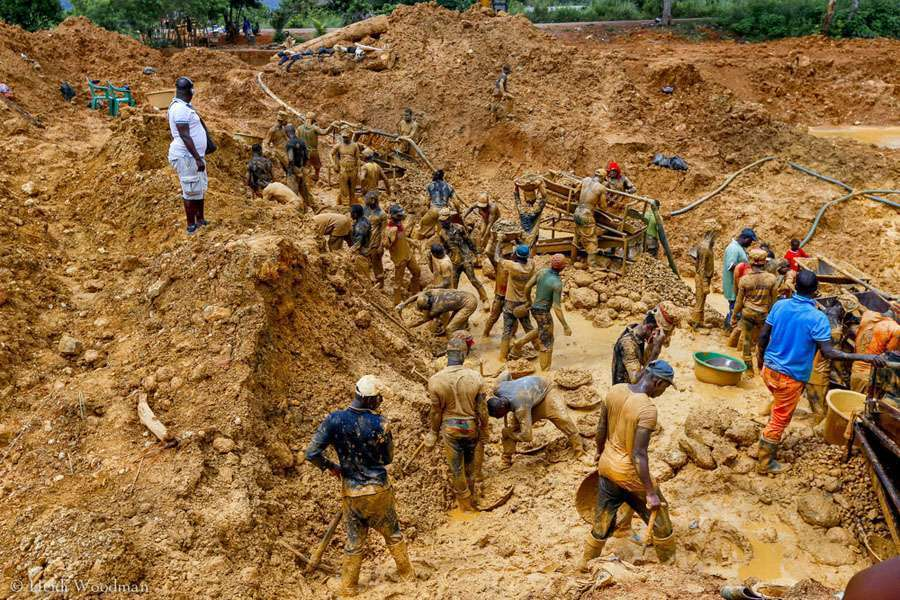
A formalized mining area attracts modern investment and advanced mining technologies, as investors prefer legally secure land.
The mining sector is one of Tanzania’s key economic pillars. However, artisanal and small-scale miners (ASM) often face major challenges related to land tenure, security, and legal work arrangements. One effective solution is formalizing mining areas, a step that can bring significant benefits for employment and the national economy.
1. Increasing Jobs and Community Welfare
Formalizing areas provides clarity and security of land tenure, giving small-scale miners the confidence to work safely. When communities see that mining areas are legally recognized and protected, more workers can be employed, reducing unemployment in surrounding regions.
2. Encouraging Investment and Technology
A formalized mining area attracts modern investment and advanced mining technologies, as investors prefer legally secure land. This helps small-scale miners increase productivity and revenue, contributing to both local and national economic growth.
3. Enabling Tax Revenue and Development Projects
Formalized areas simplify tax collection and community contributions for government projects. Funds generated can support roads, schools, health centers, and other community infrastructure, while simultaneously creating more employment opportunities in development projects.
4. Reducing Conflicts and Workplace Hazards
Legal recognition reduces disputes between small-scale miners and large mining companies and minimizes risks associated with informal mining. This creates safer work environments, increases productivity, and offers sustainable employment opportunities.
5. Promoting Cooperation and Market Access
Formalized mining areas allow small-scale miners to join cooperatives, improving access to domestic and international markets. Such collaboration increases revenue and creates jobs in processing, transportation, and mineral trading.
What Governments Should Do
- Provide Clear Land Titles and Licensing – Ensure all small-scale miners have legal access to mining areas to reduce disputes and attract investment.
- Offer Financial Support and Incentives – Introduce low-interest loans, grants, or subsidies to help miners adopt modern tools and technology.
- Implement Training and Capacity Building Programs – Equip miners with knowledge on modern mining techniques, environmental management, and safety standards.
- Develop Infrastructure – Invest in roads, electricity, and water supply near mining areas to enhance productivity and attract private investment.
- Strengthen Regulatory Frameworks – Ensure fair enforcement of mining laws, environmental protection, and tax collection to encourage formalization.
- Support Cooperatives and Market Linkages – Facilitate the creation of cooperatives and connect miners to national and international buyers for better prices.
- Promote Environmental Sustainability – Provide guidance and incentives for responsible mining practices that protect land and water resources.
Conclusion
Formalizing areas for small-scale miners is not just about creating jobs; it is a holistic strategy to stimulate investment, improve safety, generate revenue, and ensure sustainable economic growth. With proactive government intervention, the mining sector can truly become a driver of employment and development in Tanzania.
