

Top 10 Transport and Logistics Opportunities for Ordinary Tanzanians
Whether it’s delivering packages, operating a motorbike for passengers and parcels, running a small warehouse, or providing cold storage for farmers, there are accessible ways to participate in the sector. These opportunities not only provide personal income but also support local trade, strengthen supply chains, and contribute to Tanzania’s broader economic growth.
Tanzania’s transport and logistics sector is rapidly expanding, driven by infrastructure growth, rising trade, and the boom in e-commerce. This growth is creating multiple opportunities for ordinary Tanzanians to earn income, start small businesses, and improve livelihoods. Below are the top 10 ways citizens can tap into this growing sector.
1. Local Delivery Services
E-commerce platforms like Jumia, Kupatana, and other online stores are increasing demand for fast and reliable delivery services. You can start a small courier business using a motorbike, bicycle, or car to deliver packages within your city or neighborhood. Even with a small investment, you can earn daily income while connecting sellers to buyers efficiently. Delivery services are especially in demand in cities like Dar es Salaam, Arusha, Mwanza, and Mbeya, where urban growth is fast.
2. Taxi and Ride-Hailing Services
Ride-hailing services like Uber, Bolt, and local taxi companies have created opportunities for individuals to transport passengers in urban and peri-urban areas. Owning or renting a vehicle to provide ride-hailing services can generate steady income. This sector also allows flexible working hours, making it accessible for students, part-time workers, and families seeking extra income.
3. Trucking and Small Freight Services
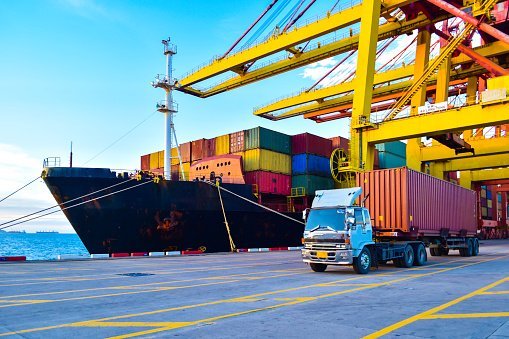
Trucking or freight transport is an essential part of Tanzania’s logistics sector. Citizens can start small-scale transport services using a pickup truck or van to move goods for farmers, small businesses, or local traders. Even single trips between towns or districts can be profitable. This opportunity supports the broader supply chain, including agricultural produce, construction materials, and retail goods.
4. Cold Storage and Refrigerated Transport
Tanzania exports agricultural products like fish, fruits, vegetables, and dairy, which require cold storage to maintain quality. Investing in a small cold storage facility or refrigerated truck allows you to serve farmers, traders, and exporters by reducing spoilage and improving product quality. With rising demand for fresh and safe food, cold chain logistics is an emerging high-demand area.
5. Motorcycle Transport (Bodaboda) for Passengers and Parcels
Motorcycles remain one of the most flexible and affordable modes of transport in Tanzania. Bodaboda riders can transport passengers, parcels, groceries, and medical supplies, particularly in areas with poor road networks. Digital platforms now allow riders to receive delivery requests via mobile apps, expanding earning potential for those who can combine passenger transport with courier services.
6. Mini Warehousing and Storage Services
Small warehouses or storage spaces are needed to help traders, manufacturers, and farmers store their products safely. Citizens can set up small storage units near markets or industrial areas, providing secure storage for items like grains, construction materials, and manufactured goods. This opportunity is especially useful in towns with limited storage facilities.
7. Ferry and Boat Transport
Tanzania’s lakes, including Lake Victoria, Lake Tanganyika, and Lake Nyasa, provide untapped opportunities for passenger and cargo transport. Small boat operators can serve island communities, fishermen, and traders, reducing travel times and providing essential transport services. This sector also supports tourism by ferrying visitors between lakeside resorts and attractions.
8. Roadside Services for Transport Operators
Busy transport corridors are an opportunity for small entrepreneurs to provide services to truckers, taxi drivers, and bus operators. Setting up food stalls, fuel points, roadside repair services, or rest stops can generate consistent income. These services not only serve transport operators but also support travelers, creating a mini-economy along transport routes.
9. Urban Micro-Logistics
In cities, there is growing demand for small-scale, flexible logistics solutions. Using bicycles, pushcarts, or motorbikes, ordinary citizens can deliver groceries, medicines, and small packages within neighborhoods. This is particularly useful in congested areas where larger vehicles cannot easily reach. Micro-logistics also supports small shops and online sellers who need affordable delivery services.
10. Training and Consultancy
As the logistics sector grows, there is a demand for skilled workers. Citizens with experience in driving, fleet management, freight forwarding, or warehousing can provide training to young Tanzanians entering the sector. Consultancy services can also help small businesses improve their supply chains, packaging, and delivery systems, creating additional income streams.
Unlocking Opportunities for Everyday Tanzanians
Tanzania’s transport and logistics sector offers numerous opportunities for ordinary citizens to improve their livelihoods. Whether it’s delivering packages, operating a motorbike for passengers and parcels, running a small warehouse, or providing cold storage for farmers, there are accessible ways to participate in the sector. These opportunities not only provide personal income but also support local trade, strengthen supply chains, and contribute to Tanzania’s broader economic growth.
By identifying high-demand areas and investing in skills, small assets, or innovative solutions, ordinary Tanzanians can take full advantage of the transport and logistics boom — making this sector a pathway for entrepreneurship and economic empowerment.