

Currency Crunch: Why Tanzania's Shilling Is 2025's Weak Linkcy Crunch
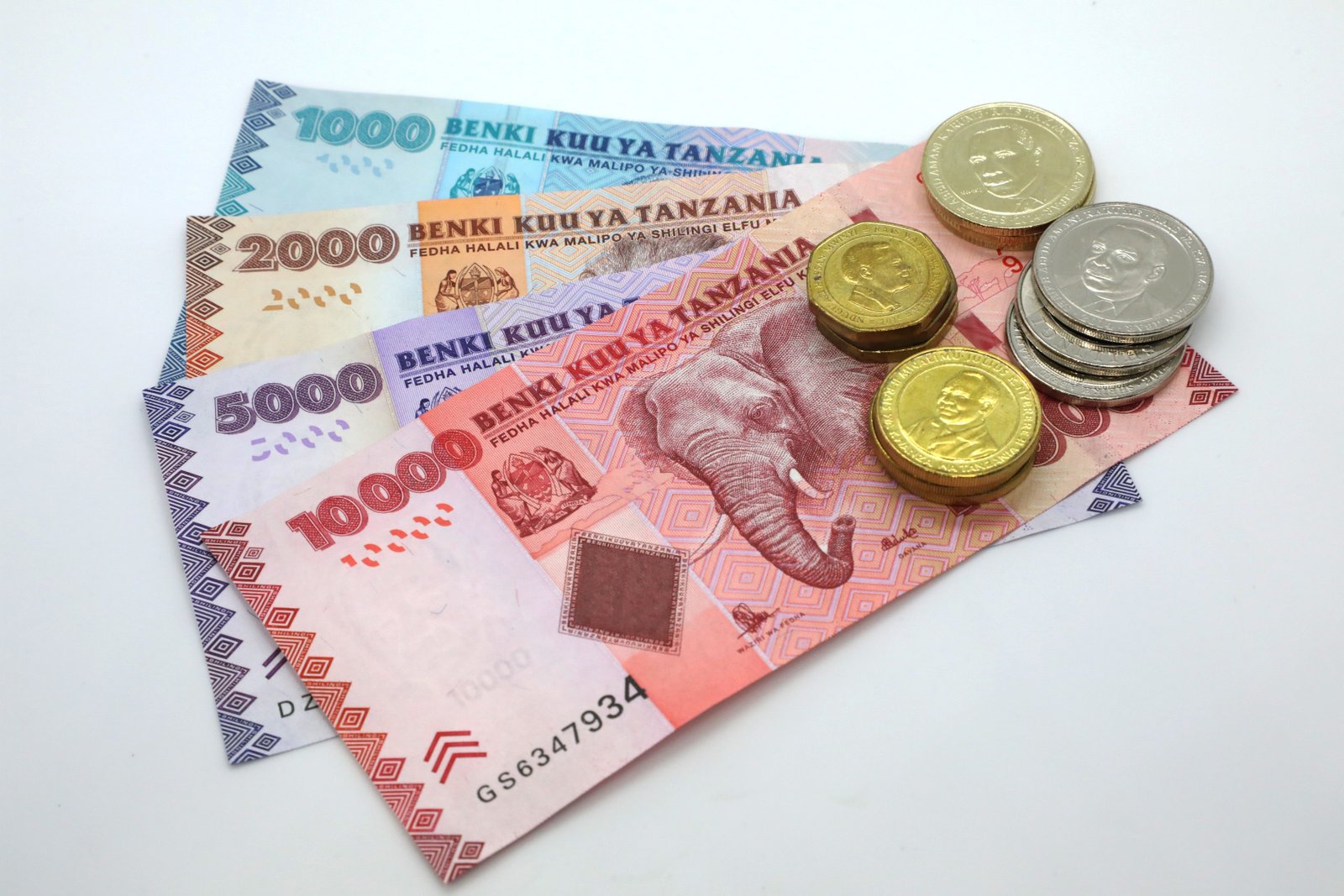
The Tanzanian shilling has fallen 10% in 2025, driven by $16.9 billion in imports and $25 billion debt, per the CCM manifesto. Exporters gain, but importers struggle—AfCFTA offers a stabilization path.
By Uchumi360 Economics Desk
DAR ES SALAAM — As Tanzania targets a 6% GDP growth rate in 2025, the Tanzanian shilling has emerged as a glaring vulnerability, depreciating over 10% against the U.S. dollar year-to-date, according to Bloomberg data. This decline, the steepest in Africa, stems from rising imports, a $25 billion external debt burden, and infrastructure-driven spending, as outlined in the Chama Cha Mapinduzi (CCM) party's 2025 manifesto. With businesses grappling with higher costs and forex reserves thinning, the shilling’s weakness threatens to undermine economic gains. Can Tanzania stabilize its currency amidst global pressures?
The shilling’s slide reflects structural pressures. Imports surged 5% to $16.9 billion in 2024, fueled by infrastructure projects like the Bagamoyo Port and energy investments, per Bank of Tanzania reports. External debt, at 40% of GDP, climbed 11.5% to $33.9 billion, straining forex reserves to 3.5 months of import cover, below the IMF’s four-month benchmark. The CCM manifesto acknowledges this, projecting a need for $1 billion in additional reserves by 2030 to bolster stability. Independent data from the World Bank shows the shilling traded at 2,645.10 per dollar in March 2025, its weakest since late 2024, with a further 2% drop by September, reflecting seasonal liquidity constraints and a widening current-account deficit.
Analytically, this depreciation echoes regional trends but stands out in severity. Kenya’s shilling, down 5% in 2025, benefits from a $1 billion IMF bailout, while Uganda’s currency holds steady with oil exports, per East African Community (EAC) Secretariat data. Tanzania’s reliance on imported industrial supplies and oil, $4 billion annually, exacerbates the crunch, with Brent crude at $85 per barrel in 2025 adding pressure. The manifesto’s push for food self-sufficiency (128% in 2024) and value addition in mining (11.5% growth) aims to reduce import dependence, potentially saving $2 billion yearly, but implementation lags.
Businesses face a dual edge. Exporters gain a 10% price advantage, with gold and coffee revenues up $300 million in 2025, per Tanzania Revenue Authority figures. However, importers see costs rise 15%, prompting a shift to dollar contracts and hedging with forward rates, a strategy costing 2% of turnover. The manifesto’s SME loans, totaling TZS 240.9 billion, could foster local production, cutting imports 10% by 2030, per African Development Bank estimates. Yet, the Bank of Tanzania’s limited interventions, shifting to market-driven rates since 2024, leave firms exposed, with only $62.3 million sold in March 2025 to stabilize the market.
Risks loom large. A global slowdown, with IMF growth at 3.1% in 2025, could halve FDI from $1.65 billion in 2023 to $1.2 billion, per projections, worsening reserve shortages. Climate shocks, like 2023’s El Niño drought, cut agricultural exports 15%, per FAO data, pressuring the current account. The manifesto’s plan for a $42 billion LNG facility by 2030 could boost forex, but delays, projected to 2028, offer no near-term relief. Regional rival Kenya, with a stronger shilling after dollar bans, highlights policy gaps.
Despite challenges, opportunities emerge. AfCFTA could add $3 billion in trade by 2027, per EAC estimates, if tariff reductions reach 20%. The Tanzania Investment Centre (TIC), with 901 projects in 2024, signals investor interest, but 30% cite currency risks, per UNIDO. President Samia Suluhu Hassan’s call to “strengthen economic resilience” underscores a pivot to local currency use, echoing 2025’s dollar ban. If executed, Tanzania could stabilize the shilling, turning a weak link into a competitive asset.