
Tanzania Parliament Seeks Review of UDSM's Mlimani City Land Lease After Years of Audit Concerns
Ready
Tanzania's Parliament has called for a review of the University of Dar es Salaam's Mlimani City land lease agreement, returning attention to a commercial property arrangement previously questioned by the Controller and Auditor General. Earlier audits identified discrepancies in the calculation of UDSM's 10% share of gross rental revenue, weaknesses in monitoring tenants and limitations on access to financial records. The review raises questions about how Tanzania's public universities manage commercial land investments and the income they receive from private developers.
Tanzania's Parliament has called for a review of the land lease agreement between the University of Dar es Salaam (UDSM) and the developers of Mlimani City, bringing renewed attention to a commercial property arrangement previously questioned by the Controller and Auditor General over rental revenue calculations, contract oversight and the university's ability to verify income generated from its land. The development raises wider questions about how Tanzania's public universities manage valuable property assets and the financial returns they receive from private investments.
Tanzania's Parliament is seeking a review of the land lease agreement involving the University of Dar es Salaam and Mlimani City, one of Dar es Salaam's most established commercial property developments, according to a report published by The Citizen on November 3, 2026. The development returns attention to a commercial arrangement whose financial terms have been examined by parliamentary committees and the Controller and Auditor General over several years. Previous audits identified discrepancies in the calculation of rental payments owed to the university, weaknesses in monitoring revenue generated by tenants and limitations on the university's access to the developer's operational information. These concerns place the financial management of university owned commercial land at the centre of the discussion.
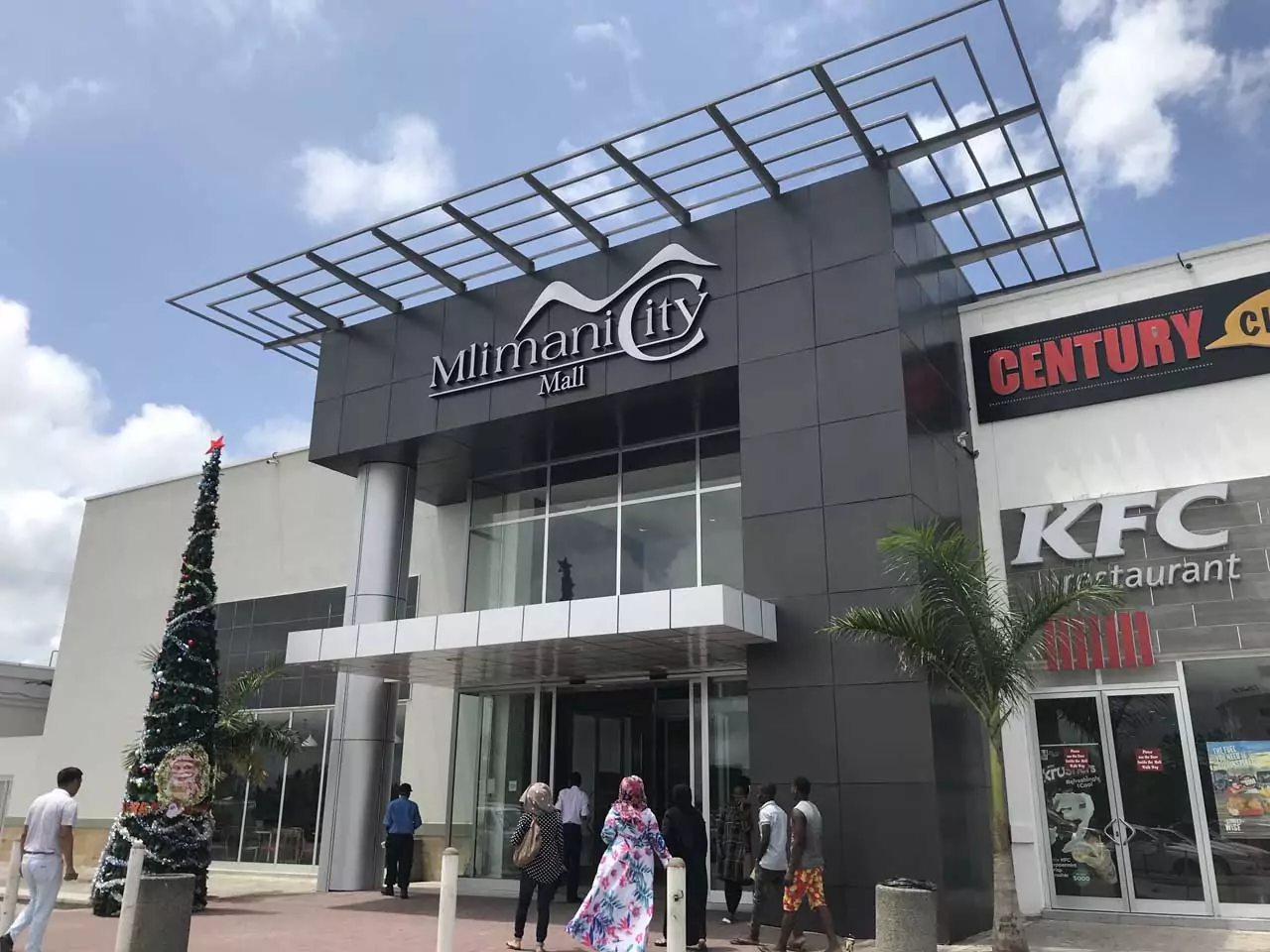
Mlimani City is a major retail and commercial property development situated along Sam Nujoma Road in Dar es Salaam. Official information from the development describes a shopping mall launched in November 2006 with approximately 30,000 square metres of retail space, alongside an office park consisting of six buildings with approximately 15,000 square metres of lettable space and a conference centre. The development has become an established commercial destination, hosting retailers, businesses, offices and events on land associated with Tanzania's oldest public university.
The project's commercial value extends beyond its original investment in buildings and facilities. Dar es Salaam has experienced substantial urban expansion over the past two decades, increasing demand for strategically located commercial properties and raising the economic importance of land situated near established transport routes, residential neighbourhoods and commercial centres. For a public university, a long term property development agreement can provide a recurring source of income that supports operations, academic programmes, research, infrastructure maintenance and other institutional priorities. The financial outcome, however, depends heavily on how the lease is structured, how revenue is measured and whether the landowner can independently verify the income on which its contractual payments are calculated.
Auditor General Previously Found Discrepancies in UDSM's Share of Rental Revenue
The financial concerns surrounding the Mlimani City agreement have a documented history. In the Controller and Auditor General's report on public authorities and other bodies for the 2015/16 financial year, auditors examined the contractual relationship between UDSM and Mlimani Holding Limited, identifying several weaknesses affecting the university's ability to supervise the development and collect its contractual share of rental income.
According to the audit, clauses 1.1(j) and 10.1 of the ground lease agreement entitled the university to 10% of gross rental revenue. However, the developer had calculated the university's share using base rental fees after deductions for operating and utility costs rather than the gross rental income stipulated in the agreement. The Auditor General concluded that this calculation exposed the university to the risk of losing substantial revenue from the project and recommended that management recalculate the amounts due and claim the difference from the developer.
The distinction between gross rental income and income calculated after deductions is commercially consequential. Under a gross revenue sharing arrangement, the landowner receives a contractual percentage of income before specified expenses are deducted, while an arrangement based on a lower rental measure can produce a smaller payment even where tenants are occupying commercial premises and generating substantial revenue. The amount ultimately received by the landowner therefore depends on both the agreed percentage and the precise definition of the revenue to which that percentage applies.
For UDSM, the Auditor General's findings suggested that the university's revenue entitlement could not be assessed accurately without clear financial records and the ability to verify the calculation of the rental base. The audit recommended changes that would allow the university's internal auditors to examine relevant revenue and operating cost information. It also identified weaknesses in the university's supervision of subtenants, including instances where premises had been leased without the prior approval required under the agreement.
The 2016/17 audit report subsequently recorded that UDSM management had begun pursuing underpaid fees and discussions with Mlimani Holding Limited on improvements to the agreement. Management reported that steps were being taken to invoice the difference between the gross rental amount and the lower amount previously used for payment calculations, while also seeking better access to operational records and improvements in transparency.
The recurring audit observations demonstrated the importance of financial monitoring in commercial arrangements where a public institution contributes land while a private developer finances, constructs and manages income producing property. Such agreements can generate substantial benefits for both parties, but the landowner's returns depend on effective contract administration throughout the life of the development.
Parliament Raised Similar Concerns in 2018 as UDSM Reported TZS 16 Billion in Payments
The Mlimani City agreement had already attracted parliamentary scrutiny in January 2018, when the Parliamentary Public Accounts Committee called for amendments to the contract between UDSM and Mlimani Holding Limited. During a committee visit, then chairperson Naghenjwa Kaboyoka questioned the calculation of the university's share of rental income and other aspects of the contractual arrangement.
At the time, UDSM's Director of Planning, Development and Investment, Dr Pancras Bujulu, reported that Mlimani Holding Limited had paid the university approximately TZS 16 billion between 2007 and 2017. The figure provides a historical indication of the income the university had received from the arrangement, although the earlier audit findings raised questions about whether the payments fully reflected the revenue sharing provisions stipulated in the contract.
The parliamentary concerns also extended to the developer's obligations regarding land use and the completion of facilities originally included in the development plan. The Controller and Auditor General had previously identified delays involving a planned hotel and improvements to the university's botanical garden, both of which formed part of the original project arrangements. The 2016/17 audit recorded that the developer had indicated that it intended to undertake the botanical garden works but had no plans at that stage to construct the hotel, prompting further discussions with the university.
The historical findings illustrate the financial importance of monitoring contractual commitments beyond the initial construction and opening of a commercial development. Long term leases can include provisions requiring developers to complete particular facilities, maintain infrastructure, make recurring payments and comply with conditions relating to land use. Where these obligations are not consistently monitored, the landowner may receive a different combination of financial and nonfinancial benefits from those contemplated when the contract was signed.
For a public university, the potential consequences extend into institutional financing. Commercial property income can provide an additional source of revenue alongside government allocations, tuition related receipts, research funding and other institutional income. Greater predictability in rental earnings can support financial planning and reduce pressure on traditional funding sources, especially where universities face increasing expenditure on facilities, technology, staff development and student services.
Mlimani City Raises Wider Questions About the Commercial Value of Public University Land
The renewed parliamentary attention comes as Tanzania's public universities continue exploring commercial investment as a means of strengthening their financial positions. UDSM has pursued other property development opportunities, including the Hill Park project announced in May 2025 in partnership with Watumishi Housing Investment. The development was reported to involve an estimated investment of TZS 8.3 billion and was projected to generate approximately TZS 2 billion annually upon completion.
Such investments illustrate the growing role of property development in the financial strategies of public institutions. Universities frequently possess land in locations that have become commercially valuable as cities expand around their campuses. Partnerships with private developers can provide a means of converting these assets into income-producing facilities without requiring the institution to finance every component of construction directly.
The financial benefits depend on the commercial structure selected. A university may receive fixed annual ground rent, a percentage of property revenue, a share of profits, ownership interests in the completed development or a combination of these arrangements. Each model creates different incentives for the landowner and developer. Fixed rent provides predictable income, while revenue sharing can allow the university to participate in the commercial performance of the development. Profit based arrangements depend more heavily on the measurement of operating expenses and the financial management of the property.
The Mlimani City experience demonstrates why contractual definitions and access to financial information are central to the economic performance of these investments. Where a public institution is entitled to a percentage of rental revenue, accurate reporting of tenant agreements, occupancy levels, rental charges and related income becomes necessary for calculating its entitlement. Independent verification can also help establish whether the institution is receiving the payments contemplated under the agreement.
The governance of these arrangements has implications beyond the individual institution. Public land represents an economic asset whose use can generate income over several decades, especially in urban areas experiencing rapid commercial development. Lease agreements signed when property values were relatively low may remain in force as surrounding land becomes more valuable, making the contractual provisions governing rental adjustments, revenue sharing and investment obligations central to the long term financial return received by the public owner.
Parliamentary Review Returns Attention to Public Asset Management
The November 2026 parliamentary call provides another opportunity to examine the financial arrangements governing Mlimani City and the benefits accruing to the University of Dar es Salaam. Previous findings by the Controller and Auditor General established concerns involving the calculation of the university's contractual rental share, the monitoring of subtenant income, access to operational records and completion of agreed development components. Parliament's earlier interventions also demonstrated that the agreement had attracted sustained attention beyond the university's own management structures.
Mlimani City has contributed to Dar es Salaam's commercial property market through retail, office and conference facilities, while providing a recurring source of income to UDSM. The financial question concerns whether the contractual arrangement has delivered the full benefits due to the institution and how those benefits are documented, assessed and managed.
For Tanzania's public universities, the outcome of the review could carry relevance beyond Mlimani City as institutions increasingly seek commercial investment partners to develop their land and strengthen their finances. The management of such arrangements requires financial reporting, contract enforcement and clear allocation of responsibilities between public landowners and private developers.
The return of the Mlimani City agreement to parliamentary scrutiny places those arrangements back under examination nearly two decades after the development opened. Its significance lies in the opportunity to establish how one of Tanzania's most prominent university property partnerships has performed financially and what its experience indicates for the management of other publicly owned commercial assets.
FAQ
Why is Tanzania's Parliament reviewing the Mlimani City agreement? A November 3, 2026 report indicates that Parliament is seeking a review of the UDSM and Mlimani City land lease. The agreement has previously faced scrutiny over revenue calculations and contractual oversight.
Who owns the land associated with Mlimani City? The development was established through a land lease arrangement involving the University of Dar es Salaam and Mlimani Holding Limited.
How much rental income was UDSM entitled to receive? The Controller and Auditor General's 2015/16 report identified contractual provisions entitling UDSM to 10% of gross rental revenue.
What did the Auditor General find? The audit found that the university's share had been calculated using base rental fees after deductions rather than the gross rental income specified in the agreement. It also identified weaknesses in monitoring tenant arrangements and access to operational information.
How much had UDSM received from Mlimani City? During parliamentary scrutiny in January 2018, UDSM reported receiving approximately TZS 16 billion from Mlimani Holding Limited between 2007 and 2017.
When did Mlimani City open? Mlimani City Shopping Mall opened in November 2006, according to the development's official website.
 Uchumi360
Business Intelligence
Uchumi360 covers business, investment, and economic policy across East, Central, and Southern Africa.
For the serious reader
You read to the end. That places you in a small group.
Uchumi360 is built for readers who demand precision over speed, structure over sentiment, and analysis that holds uncomfortable conclusions rather than softening them. If this work sharpens how you think about Africa's economy, help us keep building the infrastructure behind it.
Institutional Partners
Commission intelligence. Shape the conversation.
Uchumi360 works with development finance institutions, investment firms, sovereign bodies, and strategic organisations across the coverage region. Institutional partnership unlocks:
- Commissioned sector and country intelligence reports
- Branded research series under your institution's authority
- Exclusive data briefings for internal strategy teams
- Speaking and editorial presence at Uchumi360 events
- Co-published investment outlooks for your markets
Support Our Work
Independent analysis has a cost. Help us bear it.
Uchumi360 does not carry advertising. It does not take editorial direction from sponsors. Every article is produced without commercial compromise. Your contribution funds the reporting, research, and editorial infrastructure that keeps this analysis free from influence.
Secure checkout: One-time and monthly support are processed securely. Add payment credentials to enable checkout here.
Stay Connected
Keep up with every new insight.
Follow our latest analysis, policy coverage, and market intelligence as soon as it is published. If you need something specific, reach out directly and we will point you to the right research.
