

Why Tanzania Needs Stable Tax Policies for Investors
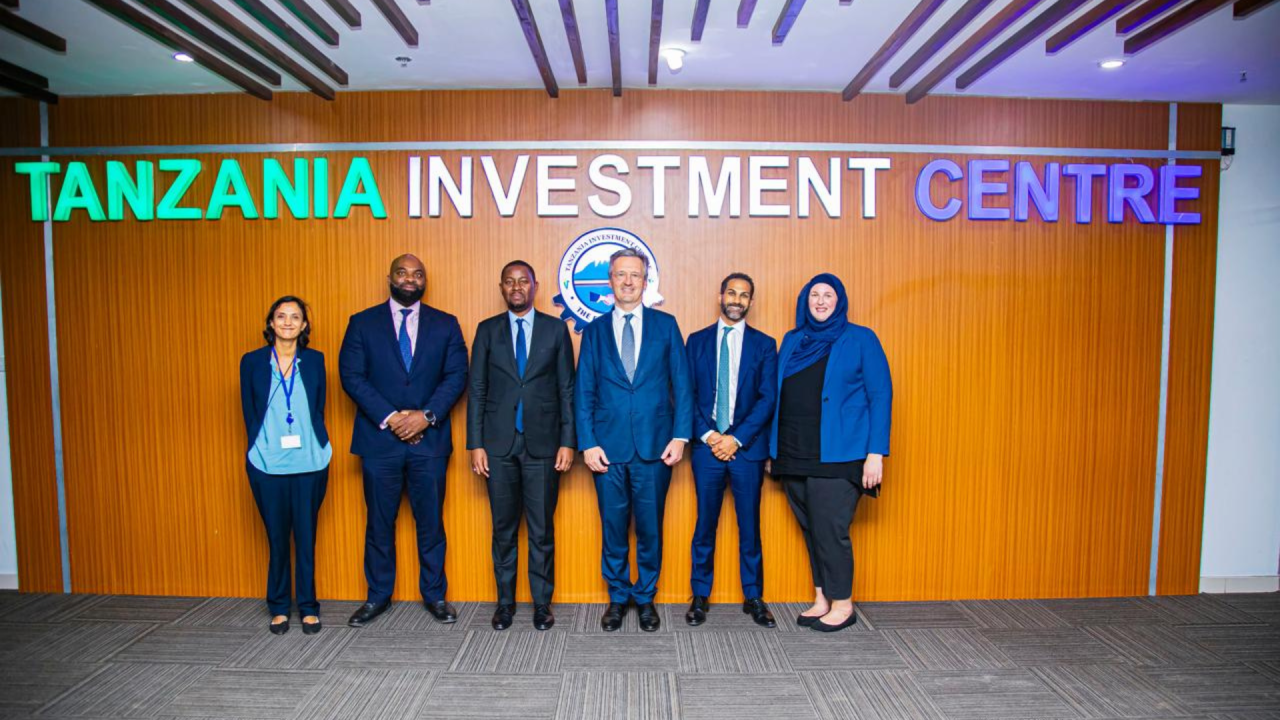
Unpredictable tax policies and frequent regulatory shifts create uncertainty, making even the most promising ventures risky.
Tanzania is brimming with opportunities from minerals and agriculture to a growing consumer market, but investors often hesitate to commit. Why?
Unpredictable tax policies and frequent regulatory shifts create uncertainty, making even the most promising ventures risky. Stability in taxation isn’t just a bureaucratic detail; it’s the foundation of investor confidence and long-term economic growth.
When businesses know what to expect, they can plan, expand, and invest boldly. Stable tax rules encourage major projects, create jobs, and strengthen the economy from the ground up. For Tanzania, a clear, consistent, and predictable tax framework isn’t optional; it’s essential to attracting investment, fueling development, and securing the nation’s economic future.
Stability Attracts Investment
Economic growth in Tanzania relies heavily on both domestic and foreign investment. Yet, unpredictable tax policies and frequent regulatory changes discourage investors and slow industrial expansion. For businesses considering long-term projects spanning 5, 10, or even 15 years, uncertainty in taxation is a critical risk. Stability in tax policies is not just a matter of good governance; it is a powerful economic stimulus. When investors can anticipate costs, plan capital expenditure, and forecast returns with confidence, they are more likely to invest in large-scale projects, create jobs, and contribute to economic transformation.
Investors Value Predictability
Investors seek an environment where fiscal rules are predictable. Sudden tax hikes, the introduction of new levies, or inconsistent enforcement can create uncertainty, prompting businesses to postpone, scale down, or relocate investments. Predictable tax rates, on the other hand, allow investors to calculate risk accurately, make long-term plans, and confidently expand operations. For sectors requiring heavy capital, such as manufacturing, energy, or industrial parks, predictability is often the deciding factor in investment location decisions.
Avoiding Double Taxation and Hidden Charges
Conflicting rules across different agencies, including TRA, local councils, and TCRA, can create hidden tax burdens and unexpected compliance costs. Stable, transparent tax policies reduce the risk of disputes, fines, and errors in reporting. When businesses understand exactly what is expected, and agencies apply rules consistently, investor confidence increases significantly. Clear guidance on obligations, coupled with enforcement fairness, encourages compliance and strengthens the credibility of Tanzania’s fiscal system.
Encouraging Sectoral Growth
Certain sectors, particularly manufacturing, agriculture, ICT, and renewable energy, are highly sensitive to taxation. Stability allows firms in these areas to plan expansion, adopt modern technology, and remain competitive in both local and export markets. Conversely, unpredictable tax policies often deter capital-intensive investments, slow industrialization, and limit the growth of value-added production. Consistent taxation encourages innovation, promotes competitiveness, and helps Tanzania transition from a resource-dependent economy to a more diversified, industrialized nation.
Supporting Small and Medium Enterprises (SMEs)
SMEs form the backbone of Tanzania’s economy, driving employment, trade, and innovation. Frequent changes in tax rules reduce profitability, discourage formal registration, and limit reinvestment in businesses. Stability in tax policies fosters SME growth, encourages formalization, and increases participation in the formal economy. Over time, a predictable tax environment enables SMEs to expand, employ more workers, and contribute meaningfully to government revenue and economic development.
Strengthening Government Revenue in the Long Term
Stable tax policies contribute to sustainable revenue collection. Predictable rates encourage voluntary compliance, accurate reporting, and timely payments, while reducing administrative costs associated with disputes or enforcement. While temporary tax increases may generate short-term revenue, they can undermine long-term growth by discouraging investment and formal business activity. A predictable and fair tax regime ultimately broadens the tax base, strengthens fiscal resilience, and provides consistent funding for infrastructure, public services, and social programs.
Clear Incentives for Strategic Investment
Strategic sectors such as manufacturing, exports, technology, and renewable energy require well-defined, lasting incentives. Tax holidays, VAT exemptions, deductions, and other benefits should be transparent and consistently applied to avoid confusion and mistrust. When incentives are predictable and credible, investors are more likely to take risks, commit capital, and pursue long-term projects that generate jobs, industrial output, and economic growth. Clear, stable incentives demonstrate that Tanzania is serious about attracting sustainable, value-adding investment.
Way Forward
To strengthen investor confidence through tax stability, Tanzania should:
- Adopt Long-Term Tax Frameworks: Set clear, multi-year tax policies for key sectors like manufacturing, energy, ICT, and agro-processing.
- Harmonize Regulations Across Agencies: Ensure TRA, local councils, TCRA, and other authorities apply consistent rules to avoid hidden charges and double taxation.
- Enhance Transparency: Publish clear guidelines on tax incentives, rates, and compliance requirements to improve investor awareness.
- Provide Targeted Incentives: Offer predictable tax holidays, deductions, and VAT exemptions for strategic industries to encourage long-term investment.
- Strengthen Enforcement and Dispute Resolution: Develop efficient systems for resolving tax disputes, protecting both government revenue and investor rights.
- Engage in Continuous Stakeholder Dialogue: Consult investors, business associations, and industry experts when designing or updating tax policies.
Conclusion: Stability Is Key
Tanzania can accelerate growth, attract more domestic and foreign investment, and strengthen its business environment by committing to clear, predictable, and fair tax policies. Stability in taxation is not merely a bureaucratic formality; it is a strategic tool for economic empowerment. By reducing uncertainty, fostering compliance, and providing transparent incentives, Tanzania positions itself as a reliable destination for long-term investment, ensuring that both government and businesses benefit from sustainable economic development.