

Top 10 Strategies for Small Business Growth in Tanzania
If small businesses adopt these strategies, they can move from survival mode to growth mode. With digital tools, value addition, and regional trade opportunities, Tanzania’s entrepreneurs can compete not only locally but also regionally.
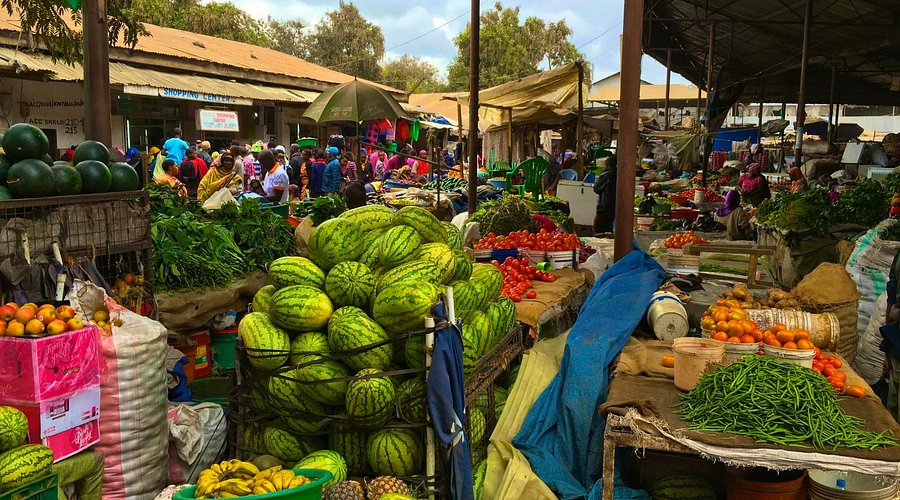
Small businesses are the backbone of Tanzania’s economy, employing millions of people and contributing significantly to GDP. From food vendors in Dar es Salaam to agro-processing startups in Morogoro, entrepreneurs drive innovation, create jobs, and provide essential services.
Yet, many small businesses struggle to grow beyond survival due to challenges such as limited capital, stiff competition, poor infrastructure, and regulatory bottlenecks. To unlock their full potential, small businesses must adopt smart strategies while taking advantage of opportunities in Tanzania’s fast-changing economy.
Here are the top strategies for small business growth in Tanzania.
1. Leverage Digital Platforms for Marketing and Sales
Digital adoption is no longer optional. Tanzanians increasingly rely on WhatsApp, Instagram, TikTok, facebook, and Jumia, JIji, Kupatana and other Social media to discover and buy products. Small businesses can grow by using these platforms to build a brand, reach new customers, and lower advertising costs. Example: Many Tanzanian clothing vendors now use Instagram to showcase their designs and take orders from across the country, boosting sales without needing expensive shops.
2. Strengthen Financial Management
Poor financial record-keeping keeps many small businesses from accessing loans or expanding. By keeping proper books and separating personal from business expenses, entrepreneurs can improve credibility with banks, SACCOS, and microfinance institutions. Mobile money platforms like M-Pesa, Tigo Pesa, Hallopesa and Airtel Money can be used to track transactions digitally, making it easier to prove cash flow when applying for credit.
3. Tap into Government and Donor Support Programs
The Tanzanian government and development partners regularly run programs to support SMEs with training, funding, and market access. For example, the Tanzania Agricultural Development Bank (TADB) provides financing for agro-business, while SME forums under the Ministry of Industry and Trade offer business capacity-building. Hence, Entrepreneurs who actively seek out these opportunities gain an advantage over those who wait for customers alone.
4. Build Strong Customer Relationships
In Tanzania, word-of-mouth marketing is powerful. A satisfied customer in Mbeya can quickly spread the word to family in Arusha or Mwanza. Small businesses should focus on delivering quality products, fair pricing, and good after-sales service to build loyalty.
Example: Local shops that give warranties and keep good customer service often get repeat clients and referrals, helping them grow faster.
5. Embrace Collaboration and Networking
Instead of competing alone, small businesses can collaborate. Joint purchasing reduces costs, while business associations provide training, lobbying power, and access to new markets. Example: In Kariakoo, traders often pool resources to import goods in bulk, lowering transport costs and increasing profit margins.
6. Add Value to Products and Services
Rather than selling raw goods, Tanzanian entrepreneurs can add value through packaging, branding, and product improvements. Instead of selling raw groundnuts, packaging roasted and branded peanuts for supermarkets in Dar es Salaam fetches a higher price and builds recognition.
7. Use Technology to Increase Efficiency
Technology can help small businesses cut costs and reach customers faster. Point-of-sale apps, e-payment systems, and even delivery services like Piki, Jumlajumla?Misosi app, or Bolt Food open up new opportunities for growth.
Example: Restaurants that partner with delivery apps in Dar es Salaam now serve more customers without expanding physical space.
8. Explore Regional and Export Markets
With Tanzania being part of the East African Community (EAC), The Southern African Development Community (SADC) and the African Continental Free Trade Area (AfCFTA), even small businesses can aim beyond local borders. Products like honey, spices, and textiles have regional demand if properly packaged and certified. SMEs should think beyond domestic competition and look at regional demand, especially in Kenya, Rwanda, and the DRC.
9. Invest in Skills and Training
A business grows only as fast as its people. Entrepreneurs must continuously learn about modern business practices, customer service, financial literacy, and digital tools. Vocational training centers and online courses provide affordable options.
10. Access Affordable Financing
Financing remains the biggest hurdle for SMEs. Innovative solutions like SACCOS, VICOBA, and crowdfunding can provide affordable alternatives to commercial bank loans. It is important to consider Partnering with microfinance institutions and fintech companies that are emerging as easier ways for small businesses to access working capital.
Outlook for Tanzania’s Small Businesses
If small businesses adopt these strategies, they can move from survival mode to growth mode. With digital tools, value addition, and regional trade opportunities, Tanzania’s entrepreneurs can compete not only locally but also regionally.
However, growth will require persistence, discipline, and the courage to invest in new ways of doing business.
Way Forward
For Tanzania’s small businesses to thrive:
- Entrepreneurs must embrace digital, financial discipline, and innovation.
- Government and donors should simplify regulations and expand access to affordable credit.
- Customers should support local brands, fueling a cycle of growth.
If these forces align, Tanzania’s SMEs will not only grow they will drive the nation’s transformation into a middle-income economy.
