
Tanzania's Tourism Revenue Grew 26 Percent to TZS 724 Billion. Inside the National Parks Generating That Revenue, Roads Are Unmaintained and Poaching Is Rising.
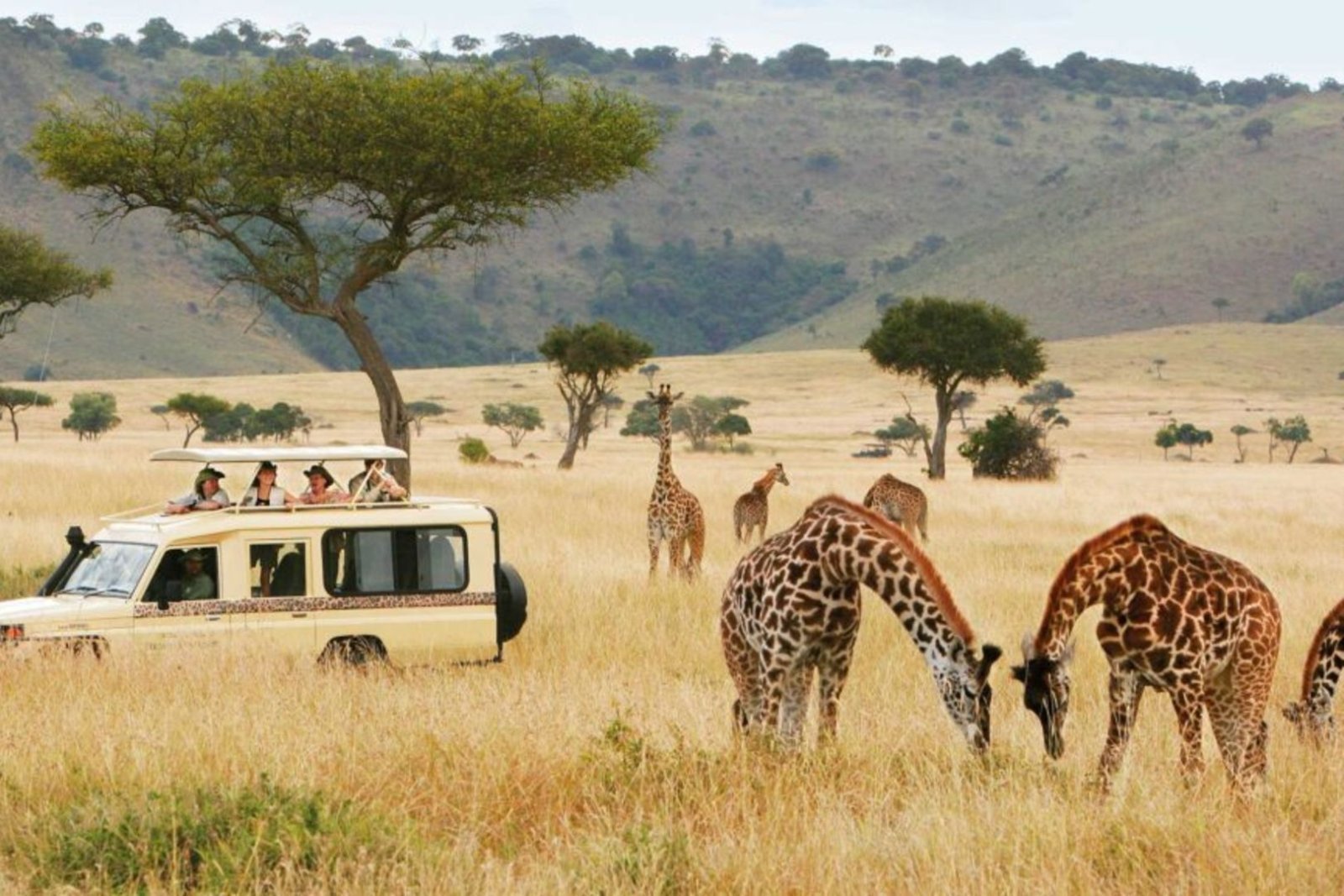
Tanzania's tourism sector is one of the genuine success stories in the CAG's 2024/25 audit. Revenue grew from TZS 575.84 billion to TZS 724.69 billion, an increase of TZS 148.85 billion or 26 percent. This is a real and significant achievement. But the CAG audit goes inside the parks and conservancies generating that revenue, and what it finds there is the accountability gap between tourism's headline performance and the infrastructure and governance quality that will determine whether the performance is sustained.
The Revenue Achievement in Context
TZS 724.69 billion in tourism revenue for 2024/25 represents a genuine step toward the tourism sector's contribution to Tanzania's Vision 2050 targets. Uchumi360's earlier analysis of Air Tanzania's expansion documented East Africa's departure seat growth of 24.3 percent to 46.5 million seats annually, with Tanzania's aviation connectivity playing a central role. The tourism revenue data confirms that connectivity growth is translating into visitor spending.
The CAG's analysis does not dispute this achievement. It situates it within the infrastructure and governance reality of the protected areas generating it.
Inside the Parks: What the Revenue Numbers Do Not Show
Tanzania's national parks and the Ngorongoro Conservation Area face severely degraded road infrastructure within their boundaries. The CAG documents specific parks where roads required for tourist access and internal management have not been maintained, with a table of unmaintained roads across named park zones included in the audit findings. Park roads are not scenic additions to the visitor experience. They are the operational infrastructure through which tourism revenue is generated. A lodge that cannot be reached because a connecting road has deteriorated to impassability is a lodge that cannot receive guests. Tourism revenue generated through degraded infrastructure is tourism revenue that is more fragile and more at risk than the headline figure suggests.
Poaching and illegal hunting are documented across multiple national parks, with a table of specific incidents by park included in the findings. Human-wildlife conflict incidents are rising across park boundaries, with livestock invasion of protected areas documented at scale. The Ngorongoro Conservation Area faces particularly acute human-wildlife conflict pressure that the CAG identifies as requiring urgent intervention.
Two showcase infrastructure projects, the Reptile Exhibition and the Elephant Exhibition at the National Museum of Tanzania, have not been implemented. These projects were presumably planned to add visitor attractions and diversify Tanzania's tourism product beyond the safari circuit. Their non-implementation represents a planning and execution gap whose opportunity cost compounds with each year of delay.
The Reinvestment Question
Tourism revenue of TZS 724 billion is extraordinary by any historical standard for Tanzania's parks. The CAG's infrastructure findings raise the straightforward question of what share of that revenue is being reinvested in the infrastructure condition of the parks generating it. The answer, based on the documented road deterioration, the poaching trend, and the unimplemented attraction projects, appears to be insufficient.
Tanzania's tourism product is differentiated by the authenticity and ecological integrity of its wildlife habitats. The Serengeti migration, Ngorongoro Crater, Kilimanjaro, and the Selous ecosystem are not products that can be manufactured or relocated. They are assets whose value depends entirely on the conservation and infrastructure management quality of the institutions responsible for them. The CAG's findings suggest that at the current investment rate, the institutions managing these assets are not maintaining the quality that justifies the premium pricing Tanzania's tourism product commands in the global market.
For investors in the hospitality and lodging sector, for tour operators building business models on Tanzania's wildlife offer, and for the development finance institutions considering tourism infrastructure financing, the CAG's findings are a material due diligence input. Revenue growth and asset condition deterioration are not a stable long-term combination.
 Uchumi360
Business Intelligence
Uchumi360
Business Intelligence
Source: Ripoti ya Mwaka ya Mdhibiti na Mkaguzi Mkuu wa Hesabu za Serikali kuhusu Ukaguzi wa Mashirika ya Umma kwa Mwaka wa Fedha 2024/25. March 30, 2026.
Uchumi360 covers business, investment, and economic policy across East, Central, and Southern Africa.
