

Reforming Tanzania’s Business Environment: Structural Challenges and Strategic Pathways for Private Sector Growth
Continued reforms in regulation, taxation, infrastructure, and financial access are necessary to unlock the country’s economic potential fully.
A strong business environment is one of the most important foundations for economic growth. Countries that create a supportive environment for businesses tend to attract more investment, encourage entrepreneurship, and generate employment opportunities. Over the past decade, Tanzania has made notable progress in improving its investment climate through infrastructure development and regulatory reforms. However, several structural and institutional challenges still affect the efficiency and competitiveness of the business sector.
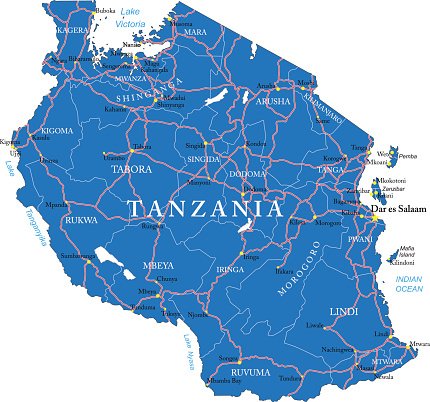
With its strategic geographic position in East Africa, abundant natural resources, and access to regional markets through organizations such as the East African Community, Tanzania has significant potential to become a major commercial and investment hub. Yet unlocking this potential requires continued reforms aimed at addressing the barriers that businesses face in their day-to-day operations.
Key Issues in Tanzania’s Business Environment
1. Bureaucracy and Lengthy Administrative Procedures
One of the most common concerns among entrepreneurs and investors is the complexity of administrative procedures. Although institutions like the Business Registrations and Licensing Agency have introduced digital systems to streamline registration and licensing processes, some procedures still take considerable time and involve multiple regulatory bodies. This can discourage new businesses and slow down investment.
2. Multiple Taxes and Regulatory Charges
Many businesses in Tanzania face a variety of taxes, levies, and regulatory fees from different authorities. While taxation is necessary for government revenue, excessive or overlapping charges can increase the cost of doing business, especially for small and medium enterprises (SMEs).
3. Limited Access to Finance
Access to affordable finance remains a major challenge for many entrepreneurs. Commercial banks often require significant collateral, which many small business owners cannot provide. As a result, many promising businesses struggle to expand due to a lack of capital.
4. Infrastructure and Production Costs
Although Tanzania has invested heavily in infrastructure projects such as railways, ports, and highways, transportation and logistics costs can still be high in certain sectors. Reliable and affordable energy supply is also essential for manufacturing and industrial growth.
5. Skills and Technological Capacity
Many small businesses still operate with limited technological adoption and managerial capacity. The lack of digital skills and modern business practices can reduce productivity and competitiveness in both domestic and international markets.
The Way Forward
1. Streamlining Government Procedures
The government can further simplify administrative procedures by expanding digital platforms for business registration, licensing, and tax payments. A fully integrated one-stop service system would significantly reduce time and costs for entrepreneurs.
2. Tax System Reform
A more simplified and transparent tax structure would encourage compliance while supporting business growth. Reviewing and rationalizing overlapping taxes and fees could make the business environment more attractive for investors.
3. Expanding Access to Finance
Financial institutions, in partnership with the government, can develop innovative financing mechanisms for SMEs. Credit guarantee schemes, development funds, and alternative financing platforms could help businesses access capital more easily.
4. Continued Investment in Infrastructure
Strengthening transport networks, logistics systems, energy supply, and digital infrastructure will reduce operational costs and enhance Tanzania’s competitiveness as a regional trade hub.
5. Strengthening Entrepreneurial Skills and Digital Capacity
Capacity-building programs for entrepreneurs, especially in digital marketing, financial management, and technology adoption, can help businesses become more productive and globally competitive.
Conclusion
Tanzania possesses many structural advantages that position it as a promising investment destination in Africa. However, continued reforms in regulation, taxation, infrastructure, and financial access are necessary to fully unlock the country’s economic potential.
By creating a more efficient and predictable business environment, Tanzania can attract greater domestic and foreign investment, support private sector growth, and accelerate sustainable economic development.